

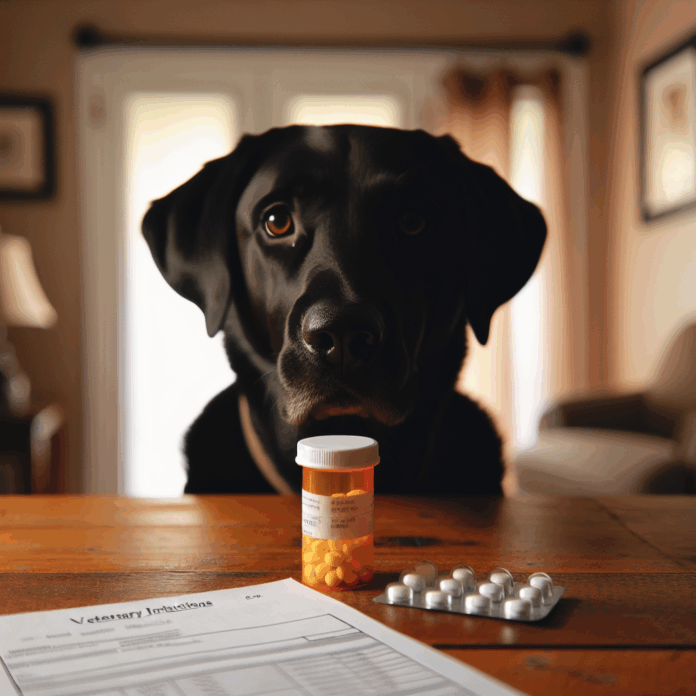
Allergies in dogs are a common and often overlooked issue that can affect your furry friend’s quality of life. Similar to humans, dogs can suffer from environmental, food, and seasonal allergies, leading to symptoms such as sneezing, itching, and gastrointestinal disturbances. Understanding these allergies and the medications available can help alleviate your dog’s discomfort.
Understanding Dog Allergies
Allergies occur when a dog’s immune system mistakenly identifies a harmless substance as a threat. The most common allergens include:
- Environmental Allergens: Pollen, dust mites, mold spores, and certain grasses can trigger allergic reactions.
- Food Allergens: Common food allergens include chicken, beef, dairy, and grains.
- Flea Allergies: A single flea bite can cause significant discomfort and allergic reactions in some dogs.
Symptoms of allergies can vary widely. Dogs may experience itching or scratching, watery eyes, sneezing, gastrointestinal issues like diarrhea, or even more severe reactions. If you suspect your dog has allergies, consultation with a veterinarian is essential for proper diagnosis and treatment planning.
Common Allergy Medications for Dogs
1. Antihistamines
Antihistamines can reduce symptoms of allergic reactions by blocking the effects of histamine, a compound your body releases during an allergic reaction. Common antihistamines prescribed for dogs include:
- Diphenhydramine (Benadryl): Effective for mild allergic reactions, Benadryl can help alleviate itching and sneezing.
- Cetirizine (Zyrtec): Known for having fewer sedative effects than other antihistamines, Zyrtec is often recommended.
- Loratadine (Claritin): Another non-sedating option, Claritin can help manage persistent allergy symptoms.
Dosage and Precautions: Always consult your veterinarian for appropriate dosages. Some dogs may have adverse reactions, and certain antihistamines may not be safe for dogs with specific health conditions.
2. Corticosteroids
Corticosteroids are powerful anti-inflammatory medications that can help control severe allergic reactions. They function by suppressing the immune response, thus reducing inflammation and alleviating symptoms. Common options include:
- Prednisone: Often prescribed for short-term use during severe allergy flare-ups. Long-term use can lead to side effects, including weight gain and increased thirst.
- Dexamethasone: Another potent corticosteroid used for controlling intense allergic reactions.
Cautions: Long-term use of corticosteroids should be managed carefully due to potential side effects. Always check with your veterinarian regarding the safest usage period.
3. Immunotherapy
For dogs with chronic allergies, immunotherapy can be an effective long-term solution. This treatment involves exposing your dog to small amounts of allergens over time, which can help them build a tolerance. It typically comes in two forms:
- Allergy Shots: Administered regularly, allowing your dog’s immune system to adapt gradually.
- Sublingual Immunotherapy: A newer approach where the allergen is given under the tongue, which some dogs find easier to tolerate.
Effectiveness: Immunotherapy can take time to be effective, often requiring several months to see significant improvements. Discuss with your veterinarian if this is suitable for your dog’s allergies.
4. Fatty Acids
Omega-3 and Omega-6 fatty acids can help improve skin health and reduce inflammation in dogs. They can be found in fish oil and flaxseed oil supplements. Regular supplementation might benefit dogs with skin-related allergic symptoms by improving overall skin condition.
5. Antibiotics
Secondary infections caused by excessive scratching and skin irritation may require antibiotic treatment. If your dog’s symptoms have led to infections, your veterinarian may prescribe antibiotics to help treat those.
Complementary Treatments
In addition to conventional allergy medications, some complementary treatments may enhance your dog’s comfort, including:
- Oatmeal Baths: These can soothe irritated skin and relieve itching. Oatmeal dog shampoos are widely available for this purpose.
- Regular Cleaning: Reducing allergens in your dog’s environment (e.g., frequent vacuuming, using air purifiers) may help lessen symptoms.
- Dietary Changes: Sometimes, food allergies can cause itchy skin or gastrointestinal distress. A hypoallergenic diet may help identify and eliminate troublesome ingredients.
FAQs
1. How do I know if my dog has allergies?
Common signs of allergies in dogs include excessive scratching, licking, sneezing, runny eyes, ear infections, or gastrointestinal issues. Consulting with a veterinarian is essential for proper diagnosis.
2. Can I use human allergy medications on my dog?
Some human medications, like certain antihistamines, can be used on dogs, but many cannot. Always consult your veterinarian before administering any human medications to ensure safety and proper dosage.
3. Are there any side effects of allergy medications in dogs?
Yes, allergy medications can have side effects, which may include drowsiness, increased thirst, weight gain, or gastrointestinal disturbances. It’s crucial to monitor your dog and consult your veterinarian if you have concerns.
4. Can allergies be cured in dogs?
While many allergies can be managed effectively, there is no definitive cure for most. Immunotherapy can help build tolerance to specific allergens, but managing the allergy is often a lifelong process.
5. How can I prevent my dog from getting allergies?
Preventing allergies can be challenging, but maintaining a clean environment, feeding a high-quality diet, and regularly grooming your dog can help minimize exposure to allergens.
Conclusion
Allergies in dogs can be a source of discomfort and distress, both for you and your furry friend. Understanding the various allergy medications and treatments available allows for informed decisions to keep your dog comfortable. While some treatments can provide immediate relief, others may require time for effectiveness. Always consult your veterinarian for the best approach tailored to your dog’s specific needs. By addressing allergies thoughtfully, you can improve your dog’s quality of life and ensure happy, healthy days ahead.

