

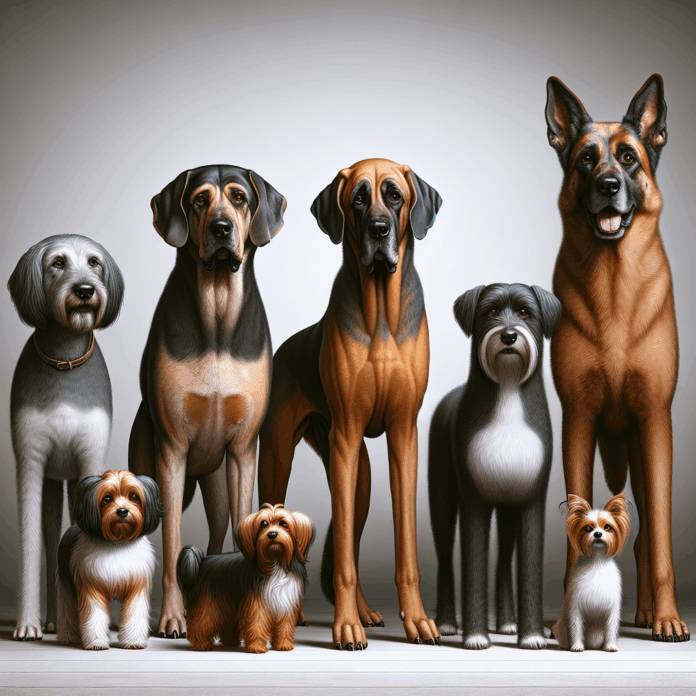
When it comes to dog breeds, the sporting group is one of the most diverse and versatile classifications. Sporting dogs are known for their keen instincts, high energy levels, and strong desire to work. Traditionally bred for hunting and retrieving game, these dogs are not just skilled hunters; they are also beloved family pets. This article will explore various sporting dog breeds, their characteristics, their roles in hunting, and why they may be the perfect addition to your family.
What Defines Sporting Dog Breeds?
Sporting dog breeds were initially developed for hunting purposes. They possess unique attributes that enable them to excel in various field tasks. Here are some key traits that define sporting dogs:
Instinctive Behavior: Sporting dogs have an innate ability to point, retrieve, and flush out game. Their strong sense of smell and keen eyesight make them adept at tracking wildlife.
Trainability: These breeds are generally eager to please, making them highly trainable. This characteristic is critical for hunters who need reliable assistance in the field.
Energy Levels: Sporting dogs tend to be high-energy, requiring regular exercise and mental stimulation. Without adequate activity, these dogs can become bored and may develop behavioral issues.
- Friendly Temperament: Many sporting dog breeds are social and friendly, making them excellent companions both in the field and at home.
Popular Sporting Dog Breeds
Now, let’s delve into some of the most popular sporting dog breeds, focusing on their unique characteristics and roles.
1. Labrador Retriever
One of the most recognized dog breeds globally, the Labrador Retriever is renowned for its friendly demeanor and versatility. Labs are often employed as hunting partners for waterfowl due to their strong retrieving instincts and love for water.
- Temperament: Friendly, outgoing, and eager to please.
- Exercise Needs: Requires daily exercise—preferably activities like swimming or fetching.
2. Golden Retriever
Similar to the Labrador, Golden Retrievers are beloved for their affectionate nature and intelligence. They are often used as service dogs due to their trainable nature and gentle temperament.
- Temperament: Intelligent, friendly, and devoted.
- Exercise Needs: Needs ample exercise and mental stimulation.
3. Cocker Spaniel
Cocker Spaniels are smaller sporting dogs known for their lovely coats and sweet disposition. Originally bred to hunt small game, they are still used in hunting today.
- Temperament: Sociable, affectionate, and gentle.
- Exercise Needs: Moderate exercise needs, including daily walks and playtime.
4. German Pointer
The German Shorthaired Pointer (GSP) is known for its versatility in the field. This breed excels in tracking, pointing, and retrieving, making them ideal for both novice and experienced hunters.
- Temperament: Energetic, intelligent, and friendly.
- Exercise Needs: Requires rigorous daily exercise, making them suitable for active families.
5. English Springer Spaniel
This breed is known for its enthusiasm and work ethic. They are adept at flushing game from dense cover and are also great family pets.
- Temperament: Friendly, eager, and loyal.
- Exercise Needs: Needs plenty of exercise and enjoys interactive play.
6. Weimaraner
Known for their striking silver coat, Weimaraners are energetic and intelligent. Bred for hunting large game, they are versatile, powerful, and require consistent training.
- Temperament: Bold, alert, and affectionate.
- Exercise Needs: High-energy needs, requiring extensive daily exercise.
7. Vizsla
The Vizsla is a lesser-known breed that excels in hunting and companionship. Known for their loyalty and affection toward family members, they make excellent pets.
- Temperament: Energetic, affectionate, and intelligent.
- Exercise Needs: High exercise requirements; enjoys running and playing fetch.
The Role of Sporting Dogs in Hunting
Sporting dogs have historically played a vital role in hunting, operating in various capacities such as:
Flushers: These dogs are trained to flush game out of hiding spots, making it easier for hunters to take their shot. Cocker Spaniels and English Springer Spaniels are prime examples of flusher breeds.
Retrievers: Retrievers like Labradors and Golden Retrievers are trained to fetch game after it has been shot. Their love for water generally makes them exceptional partners in hunting ducks and other waterfowl.
- Pointers: Pointer breeds, such as the German Shorthaired Pointer, are trained to locate game and point toward its location. This allows hunters to prepare for a shot.
Each of these roles highlights the specialized skills and instincts that sporting breeds possess, making them integral to the world of hunting.
Adoption and Care of Sporting Dog Breeds
If you’re considering welcoming a sporting dog into your home, there are several factors to keep in mind:
1. Exercise Requirements: Ensure that you can meet the exercise needs of the breed. Most sporting dogs need at least one hour of vigorous activity daily.
2. Training: Early socialization and obedience training are crucial. Engaging in obedience classes or dog sports can also provide mental stimulation.
3. Health Considerations: Like all breeds, sporting dogs are prone to certain health issues. Regular vet check-ups and a balanced diet are essential for keeping your dog healthy.
4. Space: Consider your living situation. Most sporting breeds do best in homes with ample outdoor space for running and playing.
Frequently Asked Questions (FAQs)
1. Are sporting dogs suitable for first-time dog owners?
Yes, many sporting breeds are trainable and have friendly temperaments, making them suitable for first-time dog owners. However, prospective owners should be ready to meet their exercise and mental stimulation needs.
2. Do sporting dogs require a lot of grooming?
Grooming needs vary among sporting breeds. Breeds with longer coats, like Cocker Spaniels, may require more frequent grooming compared to short-haired breeds like the Labrador Retriever.
3. Can sporting dogs live in apartments?
While it’s possible for some sporting dogs to live in apartments, they require plenty of exercise and mental stimulation. Access to nearby parks or outdoor spaces for regular walks is crucial.
4. What should I feed my sporting dog?
Choose high-quality dog food appropriate for their age, size, and energy level. Consult your veterinarian for specific dietary recommendations.
5. How much training do sporting dogs need?
Early training is essential for sporting dogs, as they are intelligent and eager to learn. Continuous training and socialization will help them develop into well-rounded companions.
Conclusion
Sporting dog breeds have proven themselves as not only exceptional hunters but also as loyal and loving companions. Their diverse skills, friendly temperaments, and high energy levels make them a delightful addition to active families. Whether you opt for a Labrador Retriever, a Cocker Spaniel, or a German Pointer, one thing is certain: sporting dogs will enrich your life with their enthusiasm and affection. Unlocking the unique attributes of each breed can lead to an enriching partnership that goes beyond mere companionship—it’s a shared journey filled with adventure and joy.

