

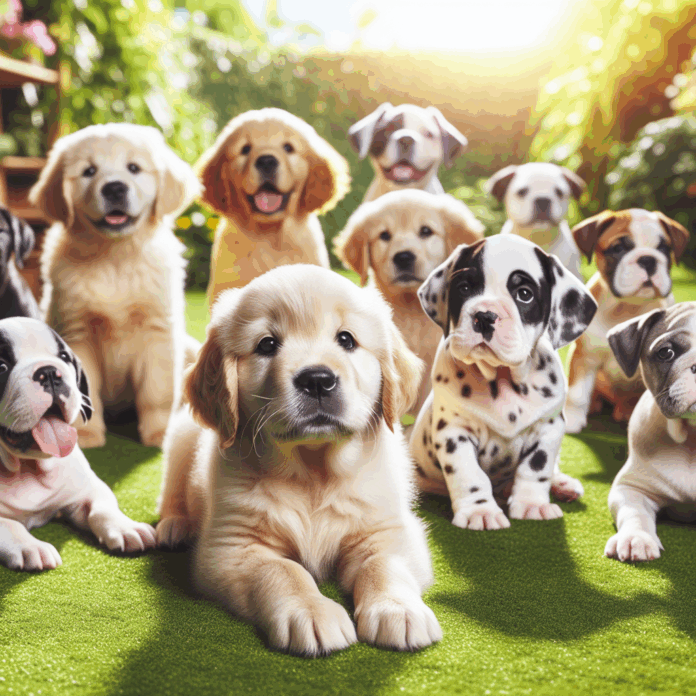
Welcoming a puppy into your home is an exhilarating experience filled with joy, cuddles, and endless energy. As a new puppy parent, you might find yourself pondering how to keep your furry friend entertained, stimulated, and well-behaved. Puppies, much like young children, require not just basic training but also engaging activities that nurture their physical and mental growth. Here’s a comprehensive guide to fun activities you can enjoy with your puppy, turning ordinary moments into unforgettable memories.
1. Socializing with Other Dogs
Socialization is crucial for puppies, helping them develop well-rounded personalities. Arrange playdates with other vaccinated puppies or calm adult dogs. Dog parks are another excellent option, providing a safe space for your puppy to meet different breeds, sizes, and temperaments. Supervise interactions to ensure your puppy is having a positive experience.
Tips for Success:
- Keep initial sessions short.
- Observe your puppy’s body language; look for signs of anxiety or overstimulation.
- Reward positive interactions with treats or praise.
2. Interactive Playtime
Puppies are naturally curious and love to explore their surroundings. Use toys that encourage interactive play, such as tug ropes or fetch toys. This not only burns off excess energy but also strengthens the bond between you and your puppy.
Games to Try:
- Tug of War: A great way to engage your puppy in a fun, interactive manner. Ensure you establish rules, like "drop it," to teach impulse control.
- Fetch: A classic game that helps with both exercise and basic training. Start with short distances and gradually increase as your puppy learns to retrieve.
3. Puzzle Toys
Keep your puppy mentally stimulated with puzzle toys. These toys require problem-solving skills and can keep your puppy entertained for hours. You can fill them with treats or kibble to motivate your puppy to discover how to get to the goodies inside.
Benefits:
- Enhances cognitive skills.
- Reduces boredom.
- Helps with dental health (if choosing chewable toys).
4. Obstacle Course Adventures
Creating a mini obstacle course in your backyard or living room can provide physical exercise and mental challenge for your puppy. Use household items like cones, chairs, or tunnels to encourage your puppy to navigate through the course.
How to Set Up:
- Start with basic tasks like jumping over small hurdles or weaving between objects.
- Increase complexity as your puppy becomes more comfortable.
- Always use positive reinforcement to encourage completion of the course.
5. Basic Training Exercises
Training sessions can be a fun and rewarding activity for both you and your puppy. Incorporate obedience training, using treats and praise to reinforce good behavior. Teaching commands like "sit," "stay," and "come" not only helps with discipline but also enhances your puppy’s safety.
Tips for Training:
- Keep sessions short; 5-10 minutes is ideal for young puppies.
- Always end on a positive note to keep your puppy engaged and excited for more.
- Use a clicker to mark good behavior, which can help strengthen your puppy’s learning.
6. Nature Walks and Hikes
Exploring the outdoors is an excellent way for your puppy to experience new sounds, smells, and sights. Plan a nature walk or a hike on dog-friendly trails, allowing your puppy to soak in the world.
Considerations:
- Use a sturdy leash and harness to ensure safety.
- Bring water and a portable bowl, especially on warm days.
- Watch for signs of fatigue; take breaks as needed.
7. Dog-Friendly Classes
Look for local dog training classes or puppy socialization programs. These classes provide structured lessons while allowing your puppy to interact with others in a supervised environment.
Benefits of Joining a Class:
- Professional guidance in training techniques.
- Opportunities for socialization.
- Networking with other puppy parents to share experiences.
8. Clicker Training Games
Clicker training can be a fun and effective way to teach your puppy new tricks. Using a clicker alongside treats can help your puppy learn to associate commands with rewards, making the training process enjoyable.
Tricks to Teach:
- Shake Hands: Start by having your puppy sit, then gently lift their paw while clicking and treating.
- Roll Over: Teach this by guiding your puppy to lie down and using a treat to roll them over.
9. Bath Time Fun
Although many puppies may not enjoy baths, turning it into a playful activity can make it more enjoyable. Use warm water, dog-friendly shampoo, and lots of praise to create a positive association with bath time.
Tips:
- Let your puppy explore the tub or area prior to bathing.
- Use water toys to encourage play; consider a gentle spray or showerhead for a fun experience.
- Finish with plenty of towel rubs and treats to reinforce positive behavior.
10. Creative Dog Art
For a truly unique bonding experience, consider making paw print art. Using non-toxic, washable paint, gently press your puppy’s paws onto canvas or paper. It’s a fun way to create keepsakes that celebrate your pet’s growth.
How to do It:
- Use a shallow dish for the paint and gently dip your puppy’s paw.
- Press onto the canvas and clean off excess paint afterwards.
- Allow to dry before displaying your masterpiece proudly.
Conclusion
Engaging activities not only facilitate bonding but also contribute to your puppy’s emotional and physical well-being. Remember to tailor activities to your puppy’s breed, age, and personality, and above all, have fun! The time spent together will lay the foundation for a lasting friendship that brings joy to both of you.
FAQs
1. How often should I engage in activities with my puppy?
Aim for short bursts of play and training (15-30 minutes) several times a day to keep your puppy stimulated without overwhelming them.
2. What are some signs that my puppy is tired or overstimulated?
Watch for yawning, lying down, or turning away from interactions. If your puppy seems anxious or restless, it may be time for a break.
3. Is it safe to take my unvaccinated puppy to dog parks?
It’s generally advised to wait until your puppy has received all vaccinations before visiting dog parks to avoid potential health risks.
4. How can I find classes for training or socialization?
Check local pet shops, veterinary clinics, or community centers for recommended classes or trainers.
5. Are there specific toys recommended for teething puppies?
Yes, look for soft rubber toys, rope toys, and teething rings specifically designed for puppies to provide relief and promote healthy chewing habits.
By incorporating these activities into your routine, you can ensure that your puppy grows up happy, healthy, and well-adjusted, while making cherished memories along the way. Enjoy the journey of puppyhood!

