

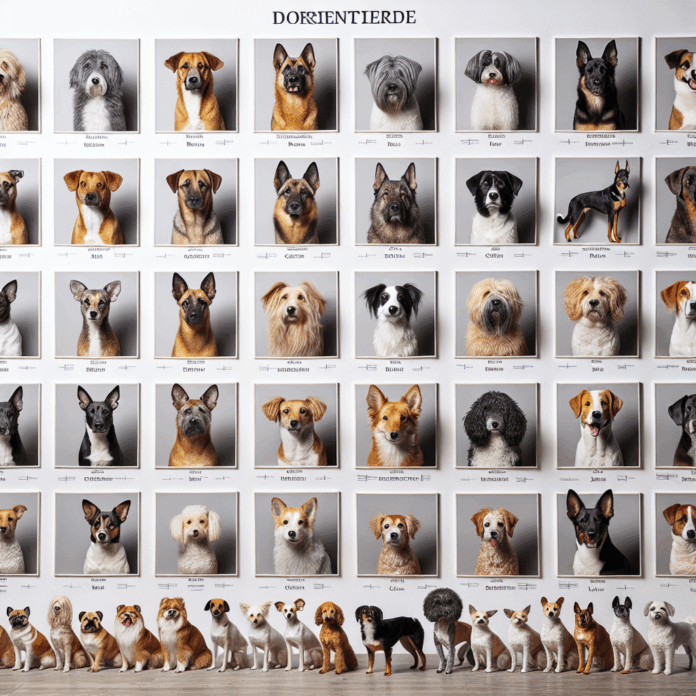
Dogs have a long-standing association with humans, serving varied roles throughout history. From faithful companions to skilled hunters, the evolution of dog breeds has led to a rich diversity of traits and characteristics uniquely defined within specific breed groups. Understanding these groups—particularly hounds and terriers—can greatly enhance our appreciation of their distinct capabilities and behaviors.
The Grouping of Dog Breeds
The American Kennel Club (AKC) recognizes several dog breed groups, each containing breeds that share similar characteristics, histories, and functions. These groups are typically classified as:
- Sporting Group
- Hound Group
- Working Group
- Terrier Group
- Toy Group
- Non-Sporting Group
- Herding Group
For the purpose of this article, we will delve deeper into the Hound and Terrier groups, exploring their traits, roles, and why they resonate with dog lovers.
The Hound Group
Hound dogs are primarily known for their incredible sense of smell and stamina, which make them exceptional hunters. They can be divided into two subcategories: scent hounds and sight hounds.
Scent Hounds
Scent hounds have an extraordinary olfactory ability. Breeds like the Bloodhound and Basset Hound exemplify this trait, often employed in search and rescue operations due to their ability to follow scents over great distances.
Characteristics:
- Endurance: These dogs can track scents for hours, making them suitable for long searches.
- Affectionate Nature: They often form strong bonds with their families, showcasing loyalty and affection.
- Sociability: Typically amiable, scent hounds often get along well with children and other pets.
Sight Hounds
Sight hounds, such as Greyhounds and Whippets, rely on their keen eyesight and speed to chase down prey. They may not have the same scent-tracking ability as their scent hound counterparts, but their agility and speed make them formidable in their own right.
Characteristics:
- Speed: Sight hounds are among the fastest dog breeds, capable of reaching high speeds in short bursts.
- Independence: This group tends to have a more independent streak, often pursuing their own interests.
- Gentle Temperament: Despite their speed, many sight hounds are gentle and prefer lounging around the house.
The Terrier Group
The Terrier group is known for its tenacity, energy, and spirited demeanor. Originally bred to hunt vermin, terriers are defined by their fearless nature and strong prey drive, making them excellent companions for active owners.
Distinct Traits of Terriers
Terriers come in various sizes and coat types, yet they share several distinct traits.
Characteristics:
- Energetic: Terriers have high energy levels and need regular exercise and mental stimulation.
- Tenacious: This group is known for its spirited and sometimes stubborn attitude in pursuing their goals.
- Playful Disposition: Their lively nature often makes them a favorite among families. They are known for their playful antics and friendly behavior.
Popular Terriers
Some notable terrier breeds include:
- Jack Russell Terrier: Highly energetic and intelligent, they require consistent training and molding.
- Bull Terrier: Known for their unique egg-shaped head and playful personality, they are strong and require socialization from a young age.
- West Highland White Terrier: Affectionate and friendly, they are relatively easy to train and adaptable to different living conditions.
The Roles of Hounds and Terriers in Modern Society
While hounds were primarily bred for chasing and tracking game, and terriers were developed for burrowing and hunting small rodents, both groups find immense value in modern contexts.
Hounds in Contemporary Life
Hounds serve various roles today beyond just hunting. Their strong scent-tracking abilities have been put to good use in search and rescue missions, as well as law enforcement. Breeds like the Bloodhound are utilized to track down missing persons or fugitives thanks to their keen sense of smell. Hounds are also popular as family pets, excelling in companionship due to their loyal and loving natures.
Terriers as Companion Animals
Terriers shine as companions due to their energetic and playful dispositions. They thrive in active households and enjoy participating in family activities. Their intelligence and eagerness to work make them suitable for various canine sports, ranging from agility training to obedience competitions.
Considerations for Potential Dog Owners
Before deciding on a hound or terrier, prospective dog owners should consider factors such as:
Living Space: Both groups can thrive in various environments; however, terriers generally require more playtime and stimulation. Hounds may be more relaxed but still benefit from regular exercise.
Time Commitment: Training is essential for both, especially terriers, which can be stubborn. Owners should be prepared to invest time in training and socialization.
Health Considerations: Research common health issues for particular breeds, as hounds and terriers can develop different genetic conditions.
- Lifestyle Fit: Consider your activity level and how much time you have to dedicate to a dog. Hounds often enjoy leisurely walks, while terriers might require more vigorous play.
FAQs
1. What are the major differences between hounds and terriers?
Hounds are primarily bred for hunting, using their sense of smell or sight, while terriers were bred to hunt smaller vermin and have a more energetic and tenacious nature.
2. Are hounds good family pets?
Yes, many hounds are friendly and sociable, making them excellent family pets provided they receive plenty of exercise.
3. Do terriers get along with children?
Most terriers are known for their playful nature and can be great companions for children, but early socialization is crucial.
4. How much exercise do hounds and terriers need?
Hounds generally require moderate exercise, while terriers typically need more vigorous physical and mental stimulation to keep them happy.
5. Which breed group is better for apartment living?
Small terriers can adapt well to apartment living, provided they have enough exercise and playtime. Larger hounds might require more space but can also live in apartments with sufficient outdoor activity.
6. Can hounds and terriers be trained easily?
Hounds can sometimes be more challenging to train due to their independent nature. Terriers are intelligent but can be stubborn, making them need consistent and patient training.
Conclusion
Whether one is drawn to the loyal hound or the spirited terrier, understanding their distinct traits enriches the bond between humans and dogs. Each breed group offers unique qualities that cater to various lifestyles, so it’s crucial to choose one that aligns with your personal preferences and life situation. Through education and awareness, dog owners can create a fulfilling and harmonious relationship with their furry companions, enriching both their lives in the process.

