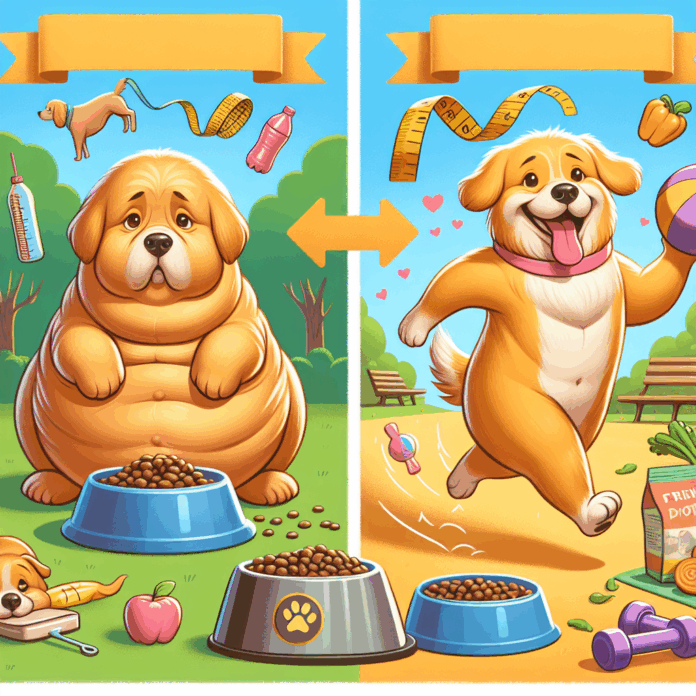
Obesity in dogs is a growing concern among pet owners, and it’s more common than you might think. Just like in humans, being overweight can lead to various health issues for dogs, including diabetes, heart disease, and joint problems. If you’ve noticed that your furry friend is packing on the pounds, don’t worry—transforming your chubby companion into a cheerful, fit pooch is entirely achievable. In this article, we’ll explore effective diet tips to help your dog shed those extra pounds safely and healthily.
Understanding Canine Obesity
Before we dive into diet tips, it’s essential to understand what constitutes obesity in dogs. Obesity is defined as an excess of body fat that adversely affects health. A commonly used measure to assess a dog’s weight is its Body Condition Score (BCS), ranging from 1 (underweight) to 9 (obese). Ideally, most dogs should fall within a score of 4 to 5. Regular vet check-ups can help determine if your dog is overweight.
The Importance of a Balanced Diet
A balanced diet is crucial for a dog’s overall health, especially when transitioning to a weight-loss plan. This includes providing the right mix of proteins, carbohydrates, fats, vitamins, and minerals. If your dog is overweight, it might be tempting to simply reduce food quantity, but it’s vital to maintain balanced nutrition, ensuring that your dog receives all necessary nutrients.
1. Consult Your Veterinarian
Before embarking on any weight-loss journey for your dog, consulting a veterinarian is critical. They can provide valuable insights into your dog’s specific health needs and recommend an appropriate weight loss goal. Your vet can also evaluate whether any underlying health issues may contribute to your dog’s weight gain and suggest a dietary plan tailored for your pet.
2. Choose the Right Food
Selecting a high-quality dog food is the backbone of effective weight management. Look for options specifically designed for weight loss or maintenance, which are typically lower in calories but high in fiber to keep your dog feeling full. Foods with whole ingredients, lean proteins, and fewer fillers will be more beneficial.
3. Portion Control
One of the simplest yet most effective weight-loss strategies is managing portion sizes. Measure your dog’s food with a cup or scale to avoid overfeeding. Refer to the feeding guidelines on the dog food packaging, adjusting for your dog’s activity level and goals. If your dog is getting treats, make sure they are factored into the daily caloric intake.
4. Increase Fiber Intake
Incorporating more fiber into your dog’s diet can promote satiety without adding many calories. Look for dog foods with added fiber or consider mixing in vegetables like carrots, green beans, or sweet potatoes. These options provide volume without overwhelming calorie counts, making mealtime more satisfying.
5. Regular Feeding Schedule
Establish a consistent feeding schedule to help regulate your dog’s appetite and prevent excessive snacking. Rather than free-feeding (leaving food out all day), consider scheduled meal times. Most adult dogs do well with two meals a day.
6. Limit Treats
While treats can be a great way to train and bond with your dog, they can also significantly contribute to weight gain. Opt for low-calorie treats or consider using portions of your dog’s regular food as treats during training. If you want to offer something special, fruits like apples (without the seeds) or blueberries can make healthy alternatives.
7. Encourage Activity
Diet alone is not enough for weight loss; physical activity is equally crucial. Aim to increase your dog’s daily exercise. This could include longer walks, play sessions, or engaging activities like fetch. Setting aside time for interactive play helps strengthen your bond while improving their physical condition.
8. Monitor Progress
Regularly track your dog’s weight and progress. Weigh your dog bi-weekly or at least monthly to check if they are on the right track. This can also help you determine if adjustments need to be made to their diet or exercise routine. Celebrate milestones, big or small, to keep motivation high for both you and your dog.
9. Avoid ‘Human Food’
Many pet owners mistakenly think that giving their dogs leftovers or “human food” will help them feel happier. However, many human foods are inappropriate and even dangerous for dogs. Avoid table scraps, especially high-fat, salty, or sugary foods. Stick to dog-friendly, low-calorie options instead.
10. Patience is Key
Weight loss in dogs should be gradual. Aim for a weight loss of 1-2% of their body weight per week. Rapid weight loss can lead to serious health issues, including liver disease. Keep in mind that each dog’s body responds differently; some may lose weight faster than others.
Encouraging a Positive Mindset
In addition to dietary adjustments, it’s essential to encourage a positive attitude in your dog towards weight loss. Activities should remain fun and rewarding, helping them enjoy the journey towards health. Reward them for good behavior with affection and praise rather than food.
Conclusion
Transforming your dog from chubby to cheerful takes time, commitment, and love. The changes you implement today can lead to a healthier, happier life for your furry friend. By following these diet tips and maintaining a supportive environment, you’ll be well on your way to helping your dog reach a healthy weight, ultimately improving their quality of life.
Frequently Asked Questions (FAQs)
Q1: How do I know if my dog is overweight?
A: Monitor their body condition score (BCS), assess their waist and rib coverage, and consult your veterinarian for an evaluation.
Q2: How much should I feed my overweight dog?
A: Feed your dog according to the guidelines on their food packaging, adjusting based on their activity level and weight loss goals.
Q3: Can I give my dog table scraps?
A: It’s best to avoid table scraps, as many human foods can be unhealthy or toxic to dogs. Stick to low-calorie, dog-friendly treats.
Q4: How long will it take for my dog to lose weight?
A: Weight loss should be gradual; aim for 1-2% of body weight loss per week. Your dog’s individual metabolism and adherence to a new diet will affect this timeline.
Q5: What types of exercise are best for an overweight dog?
A: Low-impact activities like walking, swimming, or gentle play are ideal, especially for dogs with joint issues. Gradually increase the intensity as your dog becomes fitter.
This comprehensive approach will help guide you on your dog’s weight loss journey. With diligence and affection, you can help them lead a healthier, happier life.

