

Bringing a new puppy into your home is both thrilling and overwhelming. With their boundless energy, inquisitive spirits, and occasional mischief, it can feel like an uphill battle at times. However, training your puppy to sit and stay can transform chaos into calm. These foundational commands are essential for fostering good behavior and ensuring safety for your pup. Below, we’ll explore effective strategies for training your puppy to sit and stay, as well as some frequently asked questions to help you along the way.
Understanding the Importance of Training
Training your puppy is crucial for several reasons:
- Establishing Boundaries: Training helps define acceptable behaviors, creating a balanced environment.
- Safety: Commands such as sit and stay can prevent your puppy from running into danger, including streets or hazardous areas.
- Building a Bond: Teaching your puppy is a collaborative process that strengthens the bond between you and your pet.
- Socialization: Training can facilitate socializing your puppy with other pets and humans, leading to a well-adjusted adult dog.
Creating a Positive Training Environment
Before diving into the specifics of training your puppy to sit and stay, it’s essential to create an environment that promotes learning:
- Choose a Quiet Space: Select a distraction-free area to minimize noise and interruptions.
- Use Positive Reinforcement: Reward your puppy with treats, praise, or playtime when they correctly follow commands. Positive reinforcement builds trust and encourages repetition of desired behaviors.
- Be Consistent: Use the same commands and cues each time. Consistency helps your puppy understand what is expected.
Training Your Puppy to Sit
Step-by-Step Guide
Get Your Puppy’s Attention: Use a treat or a favorite toy to catch your puppy’s focus.
Hold the Treat: Position the treat just above your puppy’s nose, then slowly move it upwards and slightly back over their head. As they follow the treat, their natural instinct will bring their bottom down to the ground.
Say the Command: Once your puppy sits, say “Sit” in a clear, firm voice and immediately reward them with the treat. Praise them enthusiastically to reinforce the behavior.
Repeat the Process: Practice this several times in short sessions (5-10 minutes). Puppies have short attention spans, so keep it engaging and fun.
- Gradually Increase Difficulty: Once your puppy consistently sits, begin practicing in different locations and around distractions. Continue to reward them when they follow the command.
Troubleshooting Common Issues
If Your Puppy Won’t Sit: Ensure your puppy is not too distracted by their environment. Use higher-value treats to capture their attention.
- If They Jump Up Instead: Be patient. Maintain your focus on the treat and guide them with it. Don’t reinforce jumping by offering attention or treats at that moment.
Training Your Puppy to Stay
Step-by-Step Guide
Start with the Sit Command: Begin this phase only after your puppy has mastered sitting.
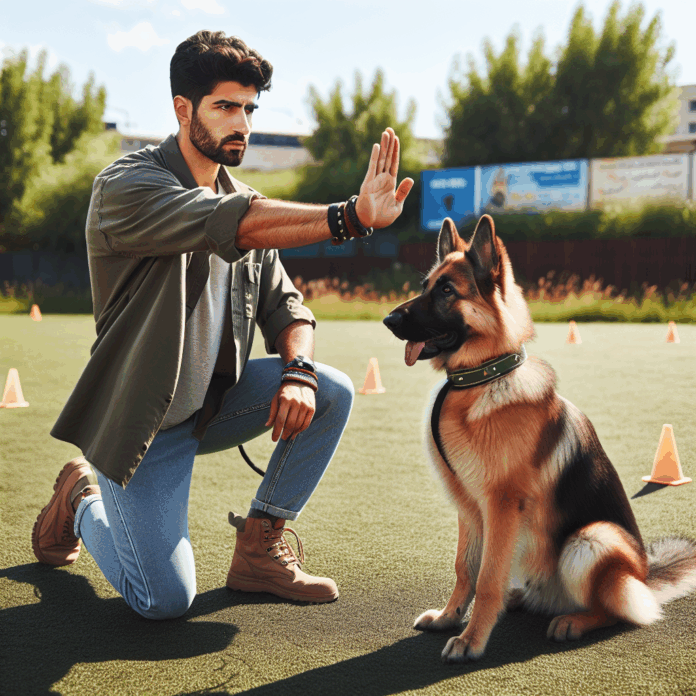
Introduce the Stay Command: While your puppy is sitting, show your palm facing towards them and say “Stay” in a calm, authoritative tone.
Take a Step Back: Gradually step away from your puppy, ensuring you maintain eye contact. If they remain seated, immediately reward them with a treat and praise.
Increase Distance and Duration: Gradually add more distance and time before rewarding them. Start with just a few seconds and slowly extend it as they adapt to the command.
- Practice Distractions: Once your puppy can stay for longer periods, practice in different environments with more distractions. Continue rewarding successful attempts.
Troubleshooting Common Issues
If They Get Up: If your puppy breaks the stay command before you reward them, calmly place them back in the sitting position without any reprimand. Avoid scolding, as this may create anxiety around the command.
- If They Don’t Seem to Understand: Some puppies may take longer to grasp the concept. Practice shorter durations and gradually build up. Always reward success!
Incorporating Training into Daily Life
Training shouldn’t be confined to specific sessions; incorporate commands into everyday activities. Asking your puppy to sit before meals, upon entering or exiting a room, or before playtime reinforces learned behavior. This makes training a part of their daily routine rather than a chore.
The Role of Patience and Persistence
Training a puppy can be challenging, but patience and persistence are key. Every puppy learns at their own pace, and setbacks are a normal part of the process. Keep sessions light-hearted and fun, and celebrate every small victory.
FAQs
How long should training sessions be?
Keep training sessions short and engaging—around 5 to 10 minutes each. Puppies have short attention spans, so frequent short sessions tend to be more effective than longer, drawn-out ones.
At what age can I start training my puppy?
You can begin training as soon as you bring your puppy home, typically around 8 weeks of age. Early socialization and basic commands can have a lasting impact as your puppy grows.
What if my puppy doesn’t respond to treats?
If your puppy isn’t motivated by treats, try using their favorite toy, affection, or playtime as a reward. Every dog has different motivators; it may take some experimentation to find what excites yours.
Can I train my puppy without using treats?
Yes! Treats are not the only tool for training. Verbal praise or playtime can serve as rewards. However, in the initial stages, treats are often the most effective way to gain your puppy’s attention and encourage desired behaviors.
How can I ensure my puppy understands the commands?
Repetition is essential. Consistently practice commands in various locations and scenarios. The more your puppy practices, the better they will understand and respond to the commands.
Conclusion
Training your puppy to sit and stay is a powerful way to transform chaos into calm, both for you and your furry friend. By creating a positive learning environment, employing effective techniques, and maintaining patience, you can instill these essential commands in your puppy. Remember, regular practice and consistency are vital. Celebrate each success along the way, and soon your chaotic puppy will be a well-behaved companion ready to take on the world!

