

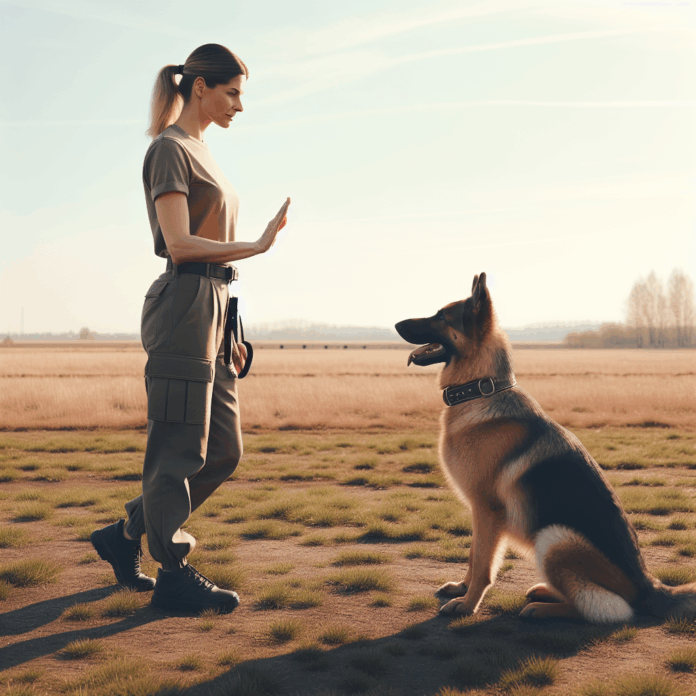
Bringing a new puppy home is an exciting yet challenging experience. One of the most critical skills you can teach your furry friend is leash training. This not only promotes good behavior when walking but also strengthens the bond between you and your pet. If you’re feeling overwhelmed by the prospect of teaching your puppy to walk calmly on a leash, don’t worry. With patience, consistency, and the right techniques, you can turn chaos into calm.
Understanding Your Puppy
Before diving into leash training, take a moment to understand your puppy’s nature. Puppies are curious creatures. They explore the world with their noses and exuberance, often pulling on the leash as they chase after interesting sights, sounds, and smells.
Breed Considerations
Different breeds exhibit varying instincts. Some breeds, like Greyhounds, are naturally inclined to run, while others, like Bulldogs, are more laid-back. Understanding your puppy’s breed characteristics can help you tailor your training approach. Regardless of breed, all puppies can benefit from proper leash training.
The Importance of Socialization
Socialization is crucial for puppies. They must get accustomed to different environments, people, and other dogs. Start exposing your puppy to new experiences from an early age. This not only helps them become well-rounded adult dogs but also makes leash training easier as they learn to handle distractions.
Getting Started with Leash Training
Choosing the Right Equipment
Collar or Harness: For leash training, a well-fitted collar or harness is essential. Harnesses are often recommended for puppies, especially those prone to pulling, as they distribute pressure evenly and reduce the risk of injury.
Leash: Choose a lightweight, durable leash. Retractable leashes can be tempting but can also lead to a lack of control, especially in training situations. Instead, opt for a standard 4- to 6-foot leash.
- Training Treats: High-value treats are an effective tool for rewarding good behavior during training sessions. Small, soft, and tasty treats work best, allowing your puppy to stay focused without getting distracted.
Basic Commands to Reinforce
Before you commence leash training, it’s beneficial for your puppy to understand basic commands such as “sit,” “stay,” and “come.” These fundamental commands provide a foundation for effective communication and control during walks.
Technique: Steps to Successful Leash Training
1. Introducing the Leash
Begin by letting your puppy get used to wearing the collar or harness and the leash while indoors. Allow them to walk around while dragging the leash. This helps them associate the harness and leash with a positive experience.
2. Engagement Training
Before hitting the street, work on engagement exercises at home or in the yard. Call your puppy’s name to get their attention, and reward them with a treat when they turn to you. This teaches them that focusing on you is rewarding.
3. Start Walking
Once your puppy is comfortable, head outside. Begin walking at a slow pace, and if your puppy pulls, stop walking immediately. This teaches them that pulling results in a halt to the fun.
4. Use Positive Reinforcement
When your puppy walks calmly beside you, reward them with treats, praises, or both. This reinforces good behavior and helps them learn the right way to walk on the leash.
5. The “Heel” Command
Introducing the “heel” command can be beneficial. Teach your puppy to walk beside you without pulling. Give the command when they are in the right position and reward them for staying close.
6. Handling Distractions
Puppies are easily distracted by sounds, other animals, and people. Train in different environments to help your puppy learn to focus amidst distractions. If your puppy gets distracted, gently redirect their attention back to you.
7. Practice Consistency
Consistency is key in leash training. Keep your training sessions short and fun, ideally 5-10 minutes, and practice regularly. Incorporate walks into your daily routine.
8. Troubleshooting Common Issues
Pulling: If your puppy pulls, stop immediately. Alternatively, turn in the opposite direction to encourage them to follow you.
Barking or Lunging: Use treats to redirect their focus. Training in less distracting environments can also help.
- Fear or Anxiety: If your puppy seems fearful of the leash or environment, take a step back, and build their confidence through positive experiences and gradual introductions.
Advanced Leash Training Techniques
Once your puppy has mastered basic leash training, consider introducing advanced techniques:
1. Loose Leash Walking
This technique teaches puppies to walk without pulling. Use treats to encourage them to stay in the designated area beside you.
2. Distraction Training
Once your puppy is proficient, find a safe, controlled area with mild distractions. Reward them for maintaining focus despite distractions.
3. Longer Walks
Gradually increase the distance and duration of your walks. Start in quiet areas and gradually introduce busier environments.
Building a Lasting Bond
Leash training is not just about control; it’s also about building a relationship with your puppy. Spend quality time together, and make training a positive experience. A well-trained leash behavior enhances your walks and strengthens the bond you share.
Conclusion
Leash training may seem daunting, but with patience and the right techniques, you can transition from chaos to calm. Remember to celebrate small victories along the way, and enjoy the journey with your furry friend. With consistent training and love, you’ll be ready to take on the world, one walk at a time.
FAQs
1. Why is leash training important?
Leash training is essential for ensuring your puppy’s safety and good behavior during walks. It also strengthens the bond between you and your pet.
2. How long does it take to leash train a puppy?
The timeframe varies per puppy and often ranges from a few weeks to several months. Regular practice is key.
3. What should I do if my puppy is scared of the leash?
Take your time! Introduce the leash slowly and offer positive reinforcement. Gradually expose them to the leash in a comfortable environment.
4. Can I use a choke chain or prong collar?
It’s advised to avoid choke chains and prong collars, especially for puppies, as they can cause injury. Opt for padded collars and harnesses instead.
5. What if my puppy continues to pull on the leash?
Continue to practice stopping when they pull, and redirect their attention using treats. Consistency and patience are essential.
6. Should I train at home or outside?
Start training at home in a distraction-free environment, then gradually move to busier outside locations as your puppy becomes more comfortable.
By following these guidelines, you can not only master leash training but also create a loving and obedient companion. Happy walking!

