

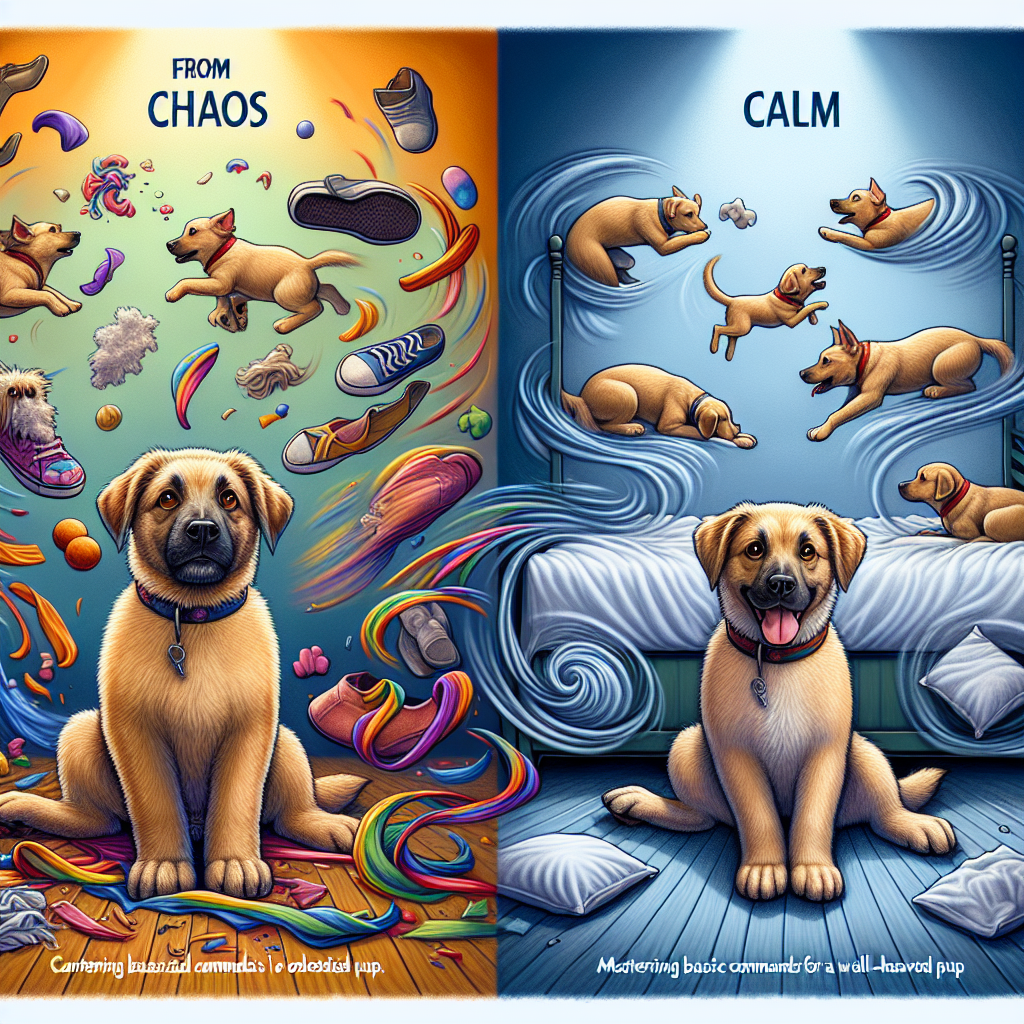
Raising a well-behaved pup can sometimes feel like a daunting task. From incessant barking to mischievous chewing, living with an energetic dog can turn the most peaceful home into a chaotic one. However, with patience and consistent training, you can transform your furry friend from a whirlwind of energy into a calm and well-mannered companion. Mastering basic commands not only helps establish good behavior, but it also strengthens the bond between you and your dog.
This article explores essential commands every dog should learn, offers training tips, and answers some of the most frequently asked questions by pet owners.
Why Training is Important
Training your dog goes beyond just teaching them commands; it is about building a relationship based on trust and communication. Here are some reasons why training is crucial:
Safety: Commands like “sit” or “stay” can prevent dangerous situations, such as your dog running into traffic.
Socialization: A well-trained dog is more likely to interact positively with other dogs and humans, making outings more enjoyable.
Mental Stimulation: Training is an excellent way to mentally engage your dog, reducing boredom and destructive behaviors.
- Peace of Mind: Knowing your dog can follow basic commands relieves anxiety when they are in a new environment.
Key Commands to Teach Your Dog
1. Sit
Why It’s Important: Sit is often the first command learned and serves as a basis for training other commands. It helps calm an excited dog and can be used in various situations.
How to Teach:
- Hold a treat close to your dog’s nose.
- Move your hand up, allowing their head to follow the treat, causing their bottom to lower.
- Once they are in a sitting position, say “sit” and give them the treat.
- Repeat this several times a day.
2. Stay
Why It’s Important: The stay command can stop unwanted behaviors and keep your dog in a safe position.
How to Teach:
- Ask your dog to sit.
- Open your palm facing them and say “stay”.
- Take a few steps back. If they stay, reward them with a treat.
- Gradually increase the distance and duration.
3. Come
Why It’s Important: This command is essential for your dog’s safety. If they ever slip out of the house, a reliable recall can prevent dangerous situations.
How to Teach:
- Start indoors with minimal distractions.
- Use a leash and say “come” while gently pulling them towards you.
- Reward them when they reach you.
- Practice in a safe, enclosed area until they respond consistently.
4. Leave It
Why It’s Important: This command teaches your dog to ignore distractions, which can prevent them from picking up harmful objects or engaging in unwanted behaviors.
How to Teach:
- Show your dog a treat and then close your hand around it.
- Say “leave it” and wait for them to lose interest.
- Once they do, reward them with a different treat from your other hand.
- Repeat until they consistently leave the initial treat alone.
5. Down
Why It’s Important: This command can help settle an energetic dog and is useful in various situations, such as mealtime or when guests arrive.
How to Teach:
- Ask your dog to sit.
- Hold a treat in front of their nose, then lower it to the ground.
- Once they lay down to get the treat, say “down” and reward them.
- Repeat as necessary.
6. Heel
Why It’s Important: A well-mannered pup will walk beside you during walks, making outings safer and more enjoyable for both of you.
How to Teach:
- Start by walking your dog with a leash.
- Hold a treat in your hand to get their attention.
- If they lag behind or pull ahead, gently guide them back to your side.
- Reward them for staying close.
General Tips for Effective Training
Use Positive Reinforcement: Reward good behavior with treats, praise, or playtime. This encourages your dog to repeat the behavior.
Be Consistent: Use the same commands and rewards consistently. This helps your dog understand what is expected of them.
Keep Training Sessions Short: Dogs have short attention spans, so keep sessions to 5-10 minutes a few times a day.
Be Patient: Every dog learns at their own pace. Celebrate small successes and don’t get discouraged by setbacks.
- Practice in Different Environments: Once your dog masters a command at home, practice it in various settings to help generalize their learning.
The Bonding Aspect
Training is not just about commands; it’s a bonding experience. As you teach your dog, you’ll enhance your understanding of each other. The joy of your dog’s progress and the shared moments of fun make the process rewarding.
Troubleshooting Common Issues
If your dog isn’t responding as you expect, it may be time to evaluate your approach. Here are some common issues:
- Distractions: If your dog struggles to focus, practice in a quiet environment first.
- Inconsistent Commands: Ensure everyone in the household uses the same commands to avoid confusion.
- Lack of Motivation: If your dog isn’t responding to treats, try different rewards, such as toys or additional playtime.
Conclusion
Transforming your chaotic pup into a well-behaved companion requires time, patience, and consistent training. By mastering basic commands, you can create a peaceful home environment, enhance your dog’s life, and strengthen your relationship with them. Enjoy the journey as you transition from chaos to calm!
FAQs
1. How long does it take to train a dog?
Training duration varies by dog and command. Basic commands may take from several days to a few weeks.
2. Can I train my dog without professional help?
Absolutely! Many owners successfully train their dogs using online resources, books, and their own patience.
3. What if my dog doesn’t respond to commands?
Ensure you are using positive reinforcement and remain consistent with your commands. If issues persist, consider consulting a professional trainer.
4. Is it too late to train a rescue dog?
It’s never too late! Dogs of all ages can benefit from training.
5. How often should I train my dog?
Daily short sessions are most effective. Aim for consistent practice without overwhelming your pup.
By following these guidelines, you’ll be well on your way to transforming your dog’s behavior, making life with your furry friend much more enjoyable!

