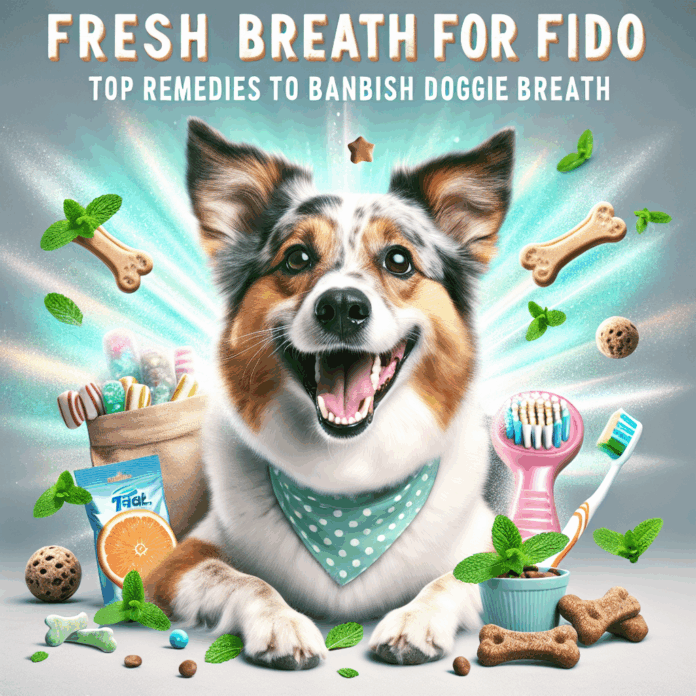
If you’ve ever been greeted by your beloved pooch with a slobbery kiss, you know that fresh breath can be a rare treat in the canine world. Bad dog breath, often termed “doggie breath,” can be a sign of underlying health issues, but it can also just be a part of having an adventurous four-legged companion. Fortunately, there are many remedies and preventive measures that can help keep your dog’s breath fresh and your relationship intact.
Understanding Doggie Breath
Doggie breath usually has an unpleasant odor, often caused by bacteria buildup in the mouth, food particles left behind, or dental issues. However, it’s not always just a "smell thing." Persistent bad breath can indicate more serious health conditions such as periodontal disease, digestive issues, or even systemic illnesses. Regular visits to the veterinarian can ensure that your pup’s breath—along with their overall health—is on the right track.
Common Causes of Bad Breath in Dogs
- Dental Issues: Plaque accumulation leads to tartar, gum inflammation, and diseases that can cause bad breath.
- Diet: Certain foods, particularly those high in protein or fat, can lead to strong odors.
- Health Problems: Conditions like kidney disease or diabetes can also produce foul-smelling breath.
- Foreign Objects: Ingested objects stuck in the mouth can create bacteria and resulting odor.
- Lack of Oral Care: Neglecting dental hygiene can lead to a buildup of bacteria and residues.
Remedies for Fresh Breath
1. Regular Dental Care
One of the most effective ways to combat doggie breath is to maintain a regular dental hygiene routine. Dog-safe toothpaste and brushes are widely available. Aim to brush your dog’s teeth at least two to three times a week. Make this an enjoyable experience by using flavors that appeal to dogs, such as peanut butter or poultry.
2. Dental Chews and Toys
Dentist-approved chews can help reduce plaque and tartar buildup. These items not only keep your dog entertained but also effectively scrub their teeth as they chew. Consider products that have the Veterinary Oral Health Council (VOHC) seal of acceptance, ensuring they meet dental health standards.
3. Water Additives
Dental water additives are a convenient way to freshen your dog’s breath and improve oral health. These solutions can help control plaque and bacteria in your pet’s mouth. Simply add them to your dog’s water bowl. Always ensure that your dog is hydrated and drinking sufficient water.
4. Regular Vet Check-Ups
Scheduling regular veterinary check-ups is crucial. Your vet can perform professional cleanings and check for any underlying health issues that may contribute to bad breath. Early detection of dental diseases or other health problems can save your dog discomfort and you considerable expense.
5. Natural Remedies
Several natural remedies may help to freshen your dog’s breath:
- Parsley: Adding small amounts of fresh parsley to your dog’s food can help neutralize odors.
- Carrots: Chewing on raw carrots can help to clean your dog’s teeth and improve breath.
- Apple Cores: Apples are not only tasty but also contain enzymes that can help freshen breath. However, always remove seeds and the core to avoid risks.
- Coconut Oil: Coconut oil has natural antibacterial properties and can be used in moderation to help combat bad breath. You can either add it to your dog’s food or use it for brushing.
6. Fresh Water
Always provide fresh, clean water. Hydration is crucial for your dog’s overall health and can help wash away food particles and bacteria that contribute to bad breath.
7. Adjust Diet
If your dog’s diet consists primarily of kibble, consider incorporating fresh, high-quality ingredients. Nutrition plays a significant role in breath odor. High-protein diets, especially those that are meat-based, can sometimes lead to a stronger scent. Look into switching your dog to a well-balanced diet that includes fiber and fresh fruits.
Lifestyle Changes
Adopting a proactive approach can significantly reduce or eliminate doggie breath issues. Here are some lifestyle adjustments to consider:
- Chew Treats: Incorporating chew treats into your dog’s routine helps scrape buildup off their teeth and often have flavors that mask odors.
- Exercise: Regular exercise helps improve digestion, which can contribute to fresher breath.
- Monitor Treats: Avoid high-carb treats; choose those that promote dental health.
FAQs
1. How often should I brush my dog’s teeth?
Brushing your dog’s teeth at least two to three times a week is ideal. Daily brushing is even better.
2. Can doggie breath indicate health issues?
Yes, persistent bad breath can indicate dental disease, digestive problems, or even systemic illnesses like diabetes or kidney disease. It’s important to consult a vet if the bad breath persists.
3. Are there any foods I should avoid to help my dog’s breath?
Yes, avoid high-carb and sugary treats that can contribute to plaque buildup. Foods high in protein or fat may also lead to stronger odors.
4. Is it safe to use human toothpaste for dogs?
No, human toothpaste contains ingredients that are harmful to dogs, like xylitol. Always use toothpaste specifically designed for dogs.
5. How can I tell if my dog has dental disease?
Signs of dental disease include persistent bad breath, swollen gums, difficulty eating, or loose teeth. Regular veterinary checkups can help detect these issues early.
6. Are there specific chews that are best for doggie breath?
Choose dental chews with the Veterinary Oral Health Council (VOHC) seal of acceptance. These products have been tested for their effectiveness in reducing plaque and tartar.
7. Can I give my dog mints or breath fresheners?
It’s best to avoid human mints and breath fresheners. Opt for products specifically formulated for dental care in dogs.
Conclusion
Fido’s breath doesn’t have to be a “ruff” subject. Through consistent dental care, seasonal vet check-ups, and a thoughtful approach to diet and lifestyle, you can help keep your dog’s breath fresh and pleasant. If your furry friend continues to have bad breath despite your efforts, don’t hesitate to seek veterinary advice to ensure their overall health remains intact. With a little effort, you and your canine companion can enjoy all the slobbery kisses without the stinky aftermath!

