

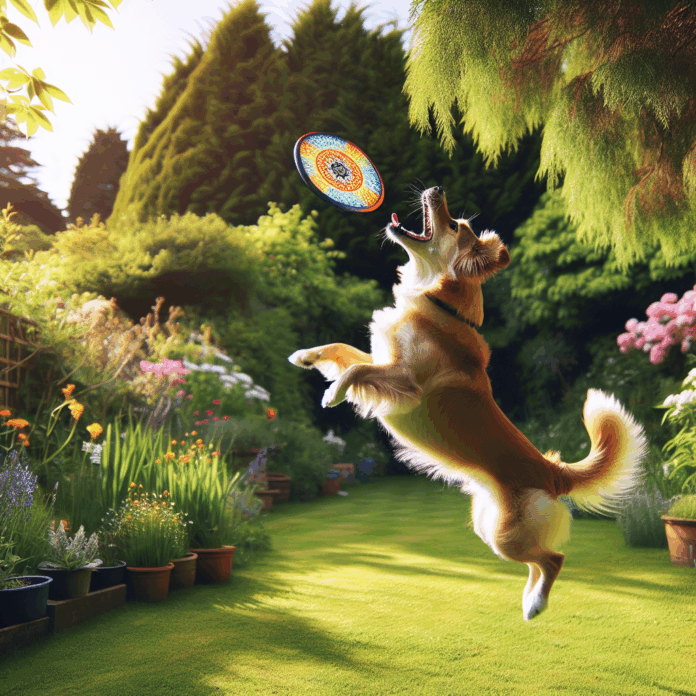
As we embrace a more health-conscious lifestyle, pet owners are increasingly aware that our four-legged friends also need regular physical activity and mental stimulation. A well-exercised dog is not only physically healthier but is also less likely to engage in destructive behaviors. Here are some creative ways to keep your dog active and engaged, catering to both their physical and mental needs.
1. Outdoor Adventures
Hiking and Trail Walks
Embrace the great outdoors and take your dog on hiking adventures. Not only does it provide an excellent workout, but the varied terrain is mentally stimulating. Always ensure to pack enough water and a first-aid kit, and be mindful of your dog’s stamina and fitness level.
Beach Days
Dogs love water! If you live near a beach or a safe body of water, consider taking your dog for a day of swimming and fetch. Swimming is a fantastic low-impact exercise, especially for older dogs or those with joint issues.
Dog Parks
Local dog parks can be an excellent place for your dog to socialize and burn off energy. Look for parks that offer separate areas for small and large dogs to ensure safety.
2. Interactive Games at Home
Hide and Seek
This classic game can easily be adapted for dogs. Hide in another room and call your dog; when they find you, reward them with treats or praise. It enhances their scent-tracking abilities and creates excitement and engagement.
Puzzle Toys
Invest in a few puzzle toys that challenge your dog to think. These toys often dispense treats when solved, encouraging your dog to work for their rewards, providing both mental stimulation and extended entertainment.
Obstacle Courses
Create a mini-obstacle course in your backyard or living room using items like cones, chairs, and tunnels. This can help improve your dog’s agility and also gives them something challenging to do.
3. Training Sessions
Basic Commands
Regular training not only reinforces good behavior but also provides mental engagement. Spend about 10-15 minutes a day working on basic commands like sit, stay, and come. Use positive reinforcement techniques, rewarding good behavior with treats or playtime.
Advanced Tricks
Once your dog masters basic commands, challenge them with advanced tricks. Teach them to roll over, play dead, or even fetch specific items. This gives them a sense of accomplishment and keeps their minds sharp.
Scent Work
Dogs have an exceptional sense of smell, and scent work can be incredibly engaging for them. Hide treats around the house or yard and encourage your dog to find them. Start simple and gradually increase the difficulty.
4. Social Activities
Group Classes
Consider enrolling your dog in group classes such as obedience, agility, or even canine sports like flyball. These classes not only involve physical activity but also provide socialization opportunities with other dogs and people.
Doggy Playdates
Set up playdates with other dog owners. A friend’s dog can become both a playmate and a source of exercise. Supervised play helps dogs develop social skills and learn to share their space, toys, and attention.
5. Seasonal Activities
Snow Games
If you live in a colder climate, embrace the snowy months by playing games like snow fetch or making dog-friendly snowmen. Many dogs love to romp through the snow, giving them a big energy boost.
Autumn Adventures
Fall brings the opportunity to explore crunchy leaves, where you can play games of catch or chase, letting your dog exert energy naturally while enjoying the beautiful scenery.
6. Engaging Toys and Gadgets
Automatic Ball Launchers
If your dog loves to fetch, consider investing in an automatic ball launcher. This gadget allows your dog to play fetch on their own, ensuring they get plenty of exercise even when you’re not physically throwing the ball.
Interactive Treat Dispensers
These devices release treats when your dog interacts with them, providing a great mental workout. They also reduce boredom and can keep dogs entertained while you’re busy.
7. DIY Activities
Create a Scavenger Hunt
Make your dog’s mealtime exciting by turning their food into a scavenger hunt. Scatter their kibble around the house or yard and allow your dog to sniff and search for their food.
Gardening Projects
Engage your dog while gardening. Allow them to dig in their section of the garden or supervise while you plant. Be cautious, though—some plants can be harmful to dogs, so make sure your garden is safe.
8. Fitness Tracking
Wearable Devices
Consider investing in a fitness tracker for your dog. These devices can help you monitor your dog’s physical activity levels and ensure they get enough exercise daily. It can also alert you to any issues with your dog’s activity patterns.
Set Goals
Set achievable fitness goals for your dog, just like you would for yourself. Whether it’s the number of steps, distance walked, or playtime hours, measurable goals can help keep you and your dog motivated.
FAQs
1. How much exercise does my dog need?
The amount of exercise varies by breed, age, and health. Generally, most dogs need at least 30 to 90 minutes of exercise daily. Consult your vet for specific recommendations for your dog.
2. What are some signs my dog is tired?
Signs of fatigue in dogs include slowing down, reluctance to continue playing, panting, or lying down. It’s important to monitor your dog and adjust activities based on their energy levels.
3. What if my dog is not interested in physical activities?
Some dogs are naturally less active. Try different activities and find what they enjoy most, whether it’s scent work, fetch, or simply going for short walks. Keeping it varied can help maintain their interest.
4. Is it safe to exercise my dog in hot or cold weather?
Be cautious with extreme temperatures. In heat, early morning or late evening walks are preferable, and always carry water. In cold weather, limit outdoor time, and consider a doggy coat or boots if they are sensitive to cold.
5. How can I tell if my dog is bored?
Signs of boredom include destructive behavior, excessive barking, pacing, or a general disinterest in toys. Engaging them in regular physical and mental activities can help alleviate boredom.
By incorporating a variety of creative activities into your dog’s routine, you can ensure they remain engaged, happy, and healthy. Ultimately, the bond you form through play and exercise will deepen, making for a fulfilling companionship. Remember, a busy dog is a happy dog!

