

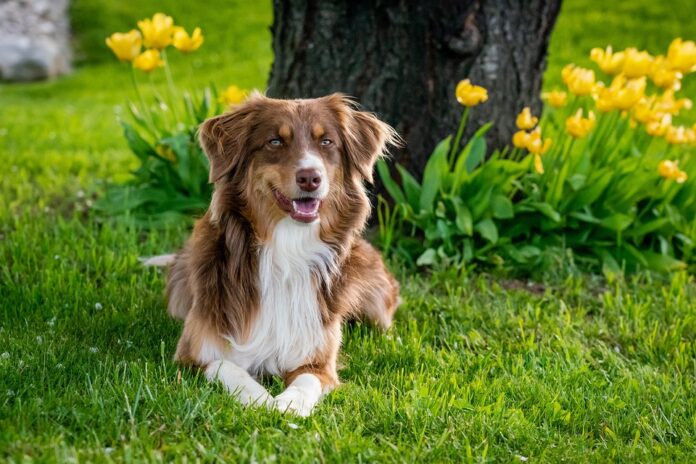
For many families, welcoming a canine companion into the home is a joyful and rewarding experience. Yet, for those with allergies, this decision can be complicated by the need to consider hypoallergenic dog breeds that minimize allergic reactions. While no dog is entirely free of allergens, certain breeds produce fewer allergens, making them more suitable for allergy-prone individuals. In this article, we will explore some popular hypoallergenic dog breeds, their unique qualities, and important considerations when selecting the right dog for your family.
Understanding Allergies and Hypoallergenic Breeds
Before diving into specific breeds, it’s essential to understand what causes dog allergies. Most dog allergies stem from proteins found in dogs’ skin, urine, and saliva. When dogs shed their fur, these proteins can become airborne and trigger allergic reactions in sensitive individuals. Hypoallergenic breeds usually have hair instead of fur, which minimizes shedding and dander. These breeds often require regular grooming and maintenance, which can further reduce allergens in the home.
Key Traits of Hypoallergenic Breeds
- Low Shedding: Hypoallergenic dogs tend to have hair that does not shed as much as traditional dogs, reducing dander.
- Grooming Needs: Most hypoallergenic breeds require regular grooming to maintain coat health and reduce allergens.
- Temperament: These breeds often have gentle and affectionate temperaments, making them suitable family pets.
Now, let’s explore some hypoallergenic dog breeds that could be the perfect match for your family.
Popular Hypoallergenic Dog Breeds
1. Poodle
The Poodle is one of the most well-known hypoallergenic breeds. They come in three sizes—standard, miniature, and toy—making them versatile for various living situations. Poodles have curly coats that trap dander and hair, preventing it from spreading in the home. They are also intelligent and easy to train, making them great companions for families.
2. Bichon Frise
The Bichon Frise is a small, cheerful breed known for its fluffy white coat. Their coat requires regular grooming, which helps to control dander. Bichon Frises are friendly, playful, and good with kids, making them an excellent addition to family life.
3. Maltese
The Maltese is a toy breed characterized by its long, silky white coat. Like the Bichon Frise, they require regular grooming to keep their coats in top condition. Maltese are known for their affectionate and lively personalities, and they bond closely with their families.
4. Shih Tzu
Shih Tzus have long, flowing coats that require regular grooming. They are known for their exuberant and loving nature, making them excellent companions for children. Their relatively calm demeanor also makes them suitable for apartment living.
5. Schnauzer
Schnauzers come in miniature, standard, and giant sizes. They have a distinctively wiry coat that sheds minimally. Schnauzers are alert and intelligent, making them excellent watchdogs while also being affectionate with their families.
6. West Highland White Terrier (Westie)
The Westie is a small terrier breed with a distinctive white coat. They have a sturdy build and a playful spirit, making them great companions for children. Westies require regular grooming to reduce shedding and dander.
7. Basenji
The Basenji is unique among hypoallergenic breeds due to its lack of the usual “doggy odor” and its low-shedding coat. They are known for their independent nature and high intelligence. Basenjis require mental stimulation and exercise, making them well-suited for active families.
Choosing the Right Hypoallergenic Dog
When selecting a hypoallergenic breed, consider the following factors:
Size and Space
Consider the size of the dog and your living environment. Larger breeds may need more space to move around and play, while smaller breeds can thrive in apartments.
Activity Level
Different breeds have varying energy levels. Select a breed that matches your family’s activity level. If you enjoy outdoor activities, an active breed like a Poodle or Schnauzer may be a great fit.
Grooming Commitment
Many hypoallergenic dogs require regular grooming. Consider how much time and resources you can dedicate to grooming and maintenance.
Family Dynamics
Assess your family’s structure. If there are young children, choose a breed known for its good temperament around kids.
Tips for Managing Allergies
Even with hypoallergenic breeds, it’s important to take proactive steps to minimize allergens in your home:
- Regular Grooming: Regularly bathe and groom your dog to keep their coat clean and reduce dander.
- Air Purifiers: Invest in HEPA air purifiers to filter allergens in your home.
- Cleaning Routine: Maintain a regular cleaning schedule, including vacuuming and dusting to reduce allergen buildup.
- No Pets in Bedrooms: Establish pet-free zones in your home, particularly in bedrooms, to create allergy-friendly spaces.
- Consult with an Allergist: If you or a family member suffers from severe allergies, consult with an allergist for personalized advice and treatment.
FAQs
1. Are hypoallergenic dogs completely allergy-free?
No dog is entirely free of allergens, but hypoallergenic breeds produce fewer allergens, making them more suitable for those with allergies.
2. Do hypoallergenic dogs require more grooming?
Many hypoallergenic breeds do require more grooming to maintain their coats and minimize shedding and dander. Regular grooming is key to managing allergens.
3. Can I develop allergies to a hypoallergenic dog?
Yes, allergies can develop over time. While hypoallergenic breeds are less likely to trigger allergic reactions, individual sensitivities can vary.
4. Is it better to adopt or buy a hypoallergenic dog?
Both options have their advantages. Adopting can save a life and typically costs less, while buying from a reputable breeder allows you to learn about the dog’s lineage and health.
5. How can I help my child adjust to a new dog if they have allergies?
Introduce the dog gradually and supervise interactions. Encouraging hand washing after touching the dog can help manage allergens.
Conclusion
Welcoming a hypoallergenic dog into your family can enhance your life in many ways, from companionship to joy. By carefully choosing the right breed and taking steps to manage allergens, you can create a loving, allergy-friendly home for both humans and their furry friends. Always conduct thorough research and consult with breeders or shelters to find a perfect match for your family dynamics and lifestyle.

