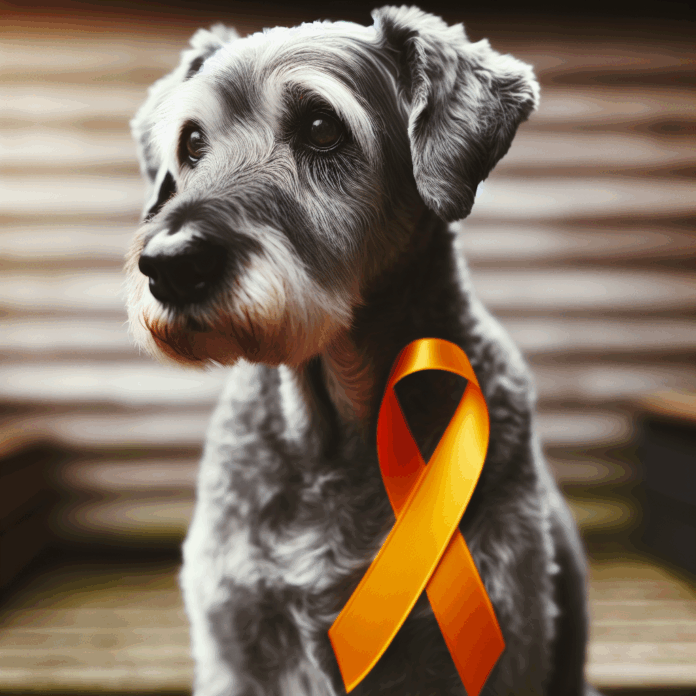
Caring for a dog diagnosed with cancer can be an overwhelming experience for pet owners. Many challenges arise, including navigating the complexities of treatment options, understanding the prognosis, and particularly, tailoring the dog’s diet for optimal recovery. Nutrition plays a pivotal role in supporting a dog’s health, enhancing the efficacy of treatments, and improving the quality of life.
Understanding Cancer in Dogs
Cancer in dogs can manifest in various forms—ranging from lymphomas to sarcomas—each presenting unique challenges. Although advances in veterinary medicine have improved diagnostic and therapeutic techniques, nutrition remains a fundamental pillar of support. A proper diet not only helps manage side effects of treatments, such as chemotherapy or radiation, but it can also help boost the immune system, enhance energy levels, and maintain weight.
The Importance of Nutrition
The right nutrition can make a significant difference in a dog’s recovery journey. Cancer can increase the metabolic rate, making dogs more susceptible to weight loss and muscle deterioration. Proper dietary choices can help combat these issues, and a balanced diet can support overstrained organs and systems.
Key Nutritional Components
High-Quality Protein: Cancer treatment can increase a dog’s protein requirements. Lean meats such as chicken, beef, and fish should be the primary protein sources. Protein helps in rebuilding muscle mass and improving overall stamina.
Healthy Fats: Omega-3 fatty acids are essential for reducing inflammation and may help slow tumor growth. Sources like fish oil, flaxseed oil, and coconut oil should be incorporated into the diet.
Low Carbohydrates: Many cancer cells thrive on sugar, leading some veterinarians to suggest low-carb diets. This may help control tumor development while providing energy through healthier, complex carbohydrates such as sweet potatoes and brown rice.
Vitamins and Minerals: Antioxidants, including vitamins A, C, and E, support the immune system. Fresh fruits and vegetables like blueberries, spinach, and carrots are excellent choices. Supplements might be necessary, but it’s crucial to consult a vet.
- Hydration: Maintaining adequate hydration is vital. Some cancer treatments can lead to dehydration, so always ensure fresh water is available. Wet food can also help increase fluid intake.
Sample Diet Plan
Breakfast: Scrambled eggs with spinach and a drizzle of fish oil.
Lunch: Grilled chicken breast with steamed sweet potatoes and a sprinkle of blueberries.
Dinner: Salmon with brown rice and a side of carrots.
Snacks: Apple slices or pumpkin puree (without added sugar or spices).
This plan can be adjusted based on your dog’s preferences, allergies, and specific health needs.
Meal Timing and Quantity
How and when you feed your dog can also impact their recovery.
Frequent, Small Meals: Instead of two large meals, opt for smaller portions more frequently throughout the day. This can help manage appetite fluctuations and maintain energy levels.
- Monitor Weight: Regularly check your dog’s weight. If they are losing weight, you may need to increase food intake or calories. Conversely, if they gain weight too quickly, adjust portion sizes accordingly.
Working with Your Veterinarian
Creating a diet plan for a dog with cancer should always involve a veterinarian or a veterinary nutritionist. They can tailor dietary recommendations based on the dog’s specific type of cancer, ongoing treatments, and overall health condition. Regular consultations will ensure that any changes in the dog’s health are promptly addressed.
Supplements and Alternatives
In addition to traditional dog food, some owners consider supplements to further enhance their dog’s nutrition during recovery.
Probiotics: Beneficial for digestion, especially after antibiotics or during treatments that can upset the gut flora.
Herbal Remedies: Some natural herbs and plant-based products may offer health benefits. Always consult your veterinarian before introducing any new supplement.
- Commercial Cancer Diets: There are veterinary diets specifically formulated for cancer-afflicted dogs. These products often contain optimal levels of protein, fat, and carbohydrates specifically designed for managing cancer.
FAQs
1. Can I feed my dog raw food during treatment?
Raw food diets can be controversial, particularly for dogs undergoing cancer treatment. Raw meats can harbor bacteria that may be harmful, especially to a dog with a compromised immune system. Always discuss with your veterinarian before starting a raw diet.
2. How much protein should my dog eat?
The protein needs of a cancer-afflicted dog may be higher; generally, 25-30% of their caloric intake should come from protein. However, this depends on the individual dog’s health and treatment plans.
3. Are there foods to avoid?
Yes, avoid processed foods high in sugars, artificial additives, and preservatives. It’s also best to limit grain-based products since grains may convert to sugar quickly— keeping carbohydrate intake low can be beneficial for cancer management.
4. How can I entice my dog to eat if they have a reduced appetite?
Try warming up their food to enhance aroma, offering small, frequent meals, or including palatable toppings like low-sodium chicken broth. Hand-feeding can also encourage eating.
5. How often should I consult the vet about my dog’s diet?
Regular check-ins are crucial. Depending on your dog’s condition, weekly or bi-weekly visits may be necessary initially. Once stabilized, monthly assessments could suffice.
Conclusion
Feeding a dog diagnosed with cancer is not just about maintaining weight; it is a critical part of the recovery process. Choosing optimal diet choices tailored to meet the physical challenges posed by cancer and treatment can significantly improve your dog’s quality of life. Always consult with your veterinarian to ensure that dietary choices align with medical advice for the best outcomes. By providing a balanced, nutritious diet, you enable your furry friend to recover and thrive despite the challenges cancer presents.

