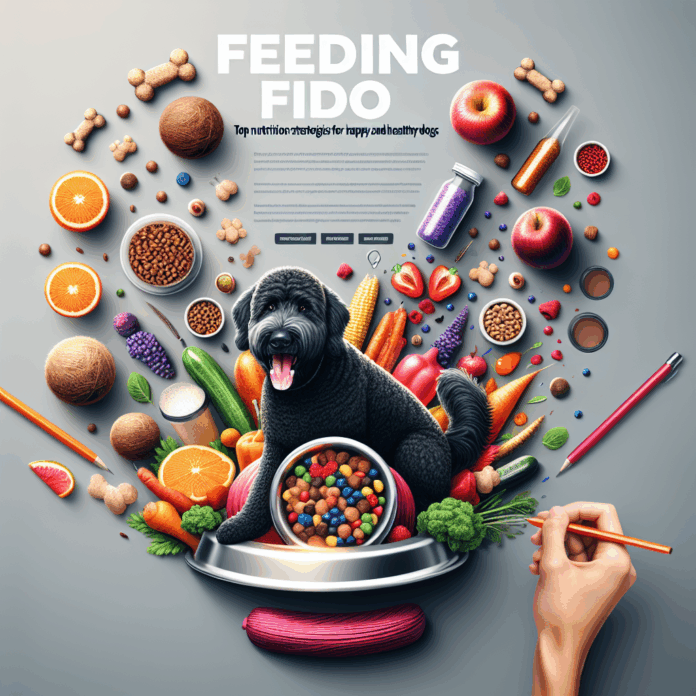
When it comes to our furry companions, proper nutrition is paramount for their overall health and happiness. Dogs, like humans, require a balanced diet that provides essential nutrients to thrive. Understanding what to feed Fido, how much, and when can sometimes be overwhelming, especially with the myriad of options available today. Here, we’ll explore some key nutrition strategies that can help ensure your four-legged friend leads a healthy and happy life.
Understanding Canine Nutrition
Before diving into specific feeding strategies, it’s important to understand what constitutes a balanced diet for dogs. A dog’s diet should include:
- Proteins: Essential for growth, maintenance, and repair of tissues.
- Fats: Provide energy and support cell structure and function.
- Carbohydrates: A source of energy that aids in digestion.
- Vitamins and Minerals: Support overall health and various bodily functions.
Each of these components plays a vital role in your dog’s well-being, and sourcing them from high-quality ingredients is crucial.
1. Choose the Right Dog Food
Kibble vs. Wet Food
Kibble: This is the most common type of dog food, often praised for its convenience and cost-effectiveness. However, not all kibble is created equal. Look for high-quality brands that list meat as the first ingredient and contain no fillers or artificial preservatives.
- Wet Food: Canned food can be more palatable for some dogs and can provide additional moisture in their diet. However, it typically comes with a higher price tag and should be used wisely, especially if your dog is prone to dental issues.
Raw Diets and Home-cooked Meals
Some pet owners opt for raw diets or home-cooked meals, citing benefits such as improved coat condition and dental health. While these diets can be nutritious, it’s crucial to consult with a veterinarian or a canine nutritionist before making the switch. Ensuring a balanced intake of nutrients can be challenging with homemade diets.
2. Consider Your Dog’s Life Stage
Puppies
Puppies grow rapidly and require a diet specifically formulated for their developmental needs. Look for puppy food with higher protein and fat content compared to adult dog food. Feeding puppies several small meals a day is also beneficial for their digestion.
Adult Dogs
Adult dogs generally require less protein than puppies but still need a balanced diet to maintain their weight and energy levels. Be mindful of portion sizes based on their activity levels and metabolic needs.
Senior Dogs
As dogs age, their nutritional needs change. Senior dogs may benefit from easy-to-digest foods with lower calorie content to prevent obesity. Ingredients that support joint health, such as glucosamine, can be particularly beneficial for older dogs.
3. Monitor Portion Sizes
Feeding the correct portion size is crucial for maintaining your dog’s ideal weight. Overfeeding can lead to obesity and related health issues, while underfeeding can result in malnutrition.
Feeding Guidelines: Refer to the feeding guidelines on the dog food packaging as a starting point. Adjust based on your dog’s activity level, weight, age, and metabolism.
- Measurement Tools: Use measuring cups or a scale to ensure that you’re providing the right amount. It’s also helpful to monitor your dog’s weight regularly to adjust feeding as needed.
4. Introduce New Foods Gradually
When changing your dog’s diet, do so gradually to avoid gastrointestinal upset. Introduce new foods over a week, mixing increasing amounts of the new food with the old. Watch for any signs of allergies or intolerances.
5. Include Healthy Treats
Treats can be a great tool for training, but they should make up only 10% of your dog’s daily caloric intake. Choose healthy options, such as:
- Fresh fruits like apples (without seeds) and blueberries.
- Vegetables like carrots and green beans.
Avoid human food that can be toxic to dogs, such as chocolate, grapes, and onions.
6. Stay Hydrated
Water is essential for all living beings, including dogs. Ensure your dog has constant access to fresh, clean water. Monitor their hydration levels, especially during hot weather or after vigorous activity.
7. Regular Vet Check-ups
Regular veterinary visits are essential for maintaining your dog’s health. Your vet can assess your dog’s dietary needs, recommend specific foods, and spot any health concerns early on.
FAQs
1. How do I know if I’m feeding my dog the right amount?
Monitor your dog’s weight and body condition. If they are consistently gaining or losing weight, adjust portion sizes accordingly. A general guideline is to feel for their ribs—if you can feel them easily without excess fat, your dog is likely at a healthy weight.
2. Can I feed my dog scraps from the table?
It’s not recommended to feed your dog table scraps, as many human foods are unhealthy or even toxic to dogs. Instead, stick to treats specifically designed for canines.
3. How can I tell if my dog has food allergies?
Common signs of food allergies include itching, gastrointestinal upset, and ear infections. If you suspect your dog has allergies, consult your veterinarian for guidance on appropriate testing and diet changes.
4. Is it okay to feed my dog a vegetarian diet?
Dogs are omnivores and can thrive on a vegetarian diet if it’s balanced correctly. However, consultation with a veterinarian is crucial to ensure all nutritional needs are met.
5. How often should I feed my dog?
Puppies typically require three to four meals a day, while adult dogs usually do well on two meals. Senior dogs may require adjustments depending on their health and appetite.
6. Are there any foods I should avoid altogether?
Yes! Foods like chocolate, grapes, raisins, onions, garlic, and xylitol (often found in sugar-free products) are toxic to dogs and should be avoided completely.
Conclusion
Feeding Fido isn’t just about filling their bowl; it’s about providing the right nutrients for a long, healthy, and active life. By focusing on balanced nutrition tailored to your dog’s specific needs and making informed choices about their diet, you can greatly enhance their quality of life. Regular veterinary visits and a keen eye on their health will ensure that Fido stays happy and healthy for years to come.

