

Hip dysplasia is a common genetic condition that affects dogs, particularly larger breeds. This orthopedic defect arises when the hip joint does not fit snugly into the hip socket, leading to arthritis and pain as the dog ages. Early detection is crucial for effective management and treatment. In this article, we will discuss the signs to watch for, the importance of early diagnosis, and common questions surrounding hip dysplasia in dogs.
Understanding Hip Dysplasia
Hip dysplasia is a developmental disorder that is typically inherited, but may also be influenced by environmental factors such as rapid weight gain and improper nutrition during a puppy’s growth phase. The condition can lead to discomfort, decreased mobility, and chronic pain, severely impacting a dog’s quality of life. Early awareness and intervention can minimize these issues and enhance a dog’s lifespan and well-being.
Signs of Hip Dysplasia
Recognizing the signs of hip dysplasia early can help in managing the condition effectively. Here are key signs to watch for:
1. Difficulty Rising
One of the first signs that may indicate hip dysplasia is difficulty in rising from a resting position. A dog may appear stiff and take longer to get up than usual, especially after lying down for a while.
2. Decreased Activity
If your dog is less inclined to engage in physical activities like running, jumping, or playing, it could be a sign of discomfort related to hip dysplasia. Watch for a decrease in enthusiasm during walks or playtime.
3. Limping or Lameness
Unusual limping or lameness, especially after exercise, can signal that your dog may be experiencing joint pain due to hip dysplasia. You may notice a shift in their weight distribution, favoring one leg over the other.
4. Swollen Hip Joints
In more advanced stages of hip dysplasia, the hip joints may become swollen. You can check for this by feeling around the hip area to assess for any unusual swelling or warmth.
5. Changes in Gait
Observe your dog’s gait. Dogs with hip dysplasia may have a “bunny hopping” motion when running, where both hind legs move together instead of independently. Their movements may appear erratic or strained.
6. Reluctance to Climb Stairs
Climbing stairs or jumping onto furniture may become more difficult for dogs with hip dysplasia. Watch for hesitation or refusal to perform these actions, which may indicate pain.
7. Painful Responses
If your dog flinches or vocalizes pain when you touch or manipulate their hip area, it’s a strong indication of possible hip dysplasia or joint discomfort.
8. Muscle Atrophy
Over time, if a dog is compensating for pain in one leg, you might notice muscle atrophy on that side. This means the muscles are shrinking due to lack of use, which can further complicate the dog’s ability to move.
Diagnostic Measures
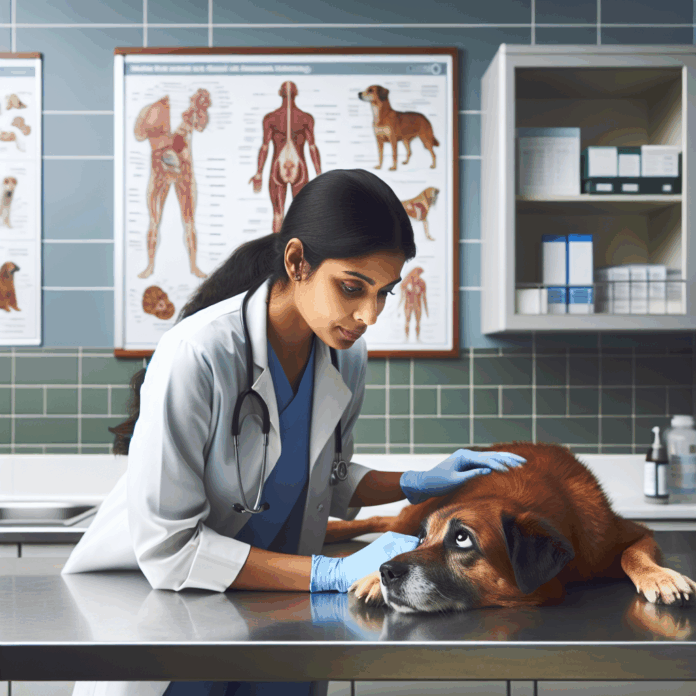
If you notice any of the above signs, it is essential to consult your veterinarian. They may perform a physical examination and recommend X-rays to confirm a diagnosis of hip dysplasia. Early and accurate diagnosis can make all the difference. While it may not be possible to reverse the anatomical changes, there are several management options available to alleviate symptoms.
Treatment Options
After a diagnosis, several treatment options may be recommended, including:
- Weight Management: Maintaining a healthy weight can significantly reduce stress on the hips.
- Medications: Nonsteroidal anti-inflammatory drugs (NSAIDs) can help manage pain and inflammation.
- Physical Therapy: Rehab exercises can improve flexibility, strength, and mobility.
- Surgery: In severe cases, surgical intervention might be necessary. Procedures like hip replacement can restore mobility and eliminate pain.
The Importance of Early Intervention
Early detection of hip dysplasia allows for timely intervention and management. Recognizing the signs and having a thorough veterinary assessment can lead to a tailored treatment plan. This is crucial for maintaining your dog’s happiness and quality of life. Additionally, educating yourself on the risk factors and making lifestyle choices that prevent obesity can significantly impact your dog’s joint health.
FAQs about Hip Dysplasia in Dogs
1. Is hip dysplasia common in all dog breeds?
- Hip dysplasia is more prevalent in larger breeds, such as German Shepherds, Golden Retrievers, and Labrador Retrievers. However, smaller breeds can also be affected.
2. Can hip dysplasia be prevented?
- While it cannot be completely prevented, you can minimize risk factors by maintaining a healthy weight, providing balanced nutrition, and avoiding excessive exercise in young, growing puppies.
3. When should I start screening my dog for hip dysplasia?
- Many veterinarians recommend screening around 12 to 18 months of age, especially for breeds predisposed to the condition. Early assessment can guide preventive measures.
4. What is the long-term prognosis for a dog with hip dysplasia?
- With early diagnosis and proper management, many dogs live happy, active lives despite the condition. However, untreated hip dysplasia can lead to arthritis and significant quality-of-life issues.
5. Can diet help manage hip dysplasia?
- Yes, a balanced diet low in calories but high in nutrients can help maintain a healthy weight, which is crucial for managing hip dysplasia.
6. What can I expect during a veterinary visit for hip dysplasia evaluation?
- The veterinarian will perform a physical examination and may conduct X-rays to assess the hip joint’s structure. They might ask about your dog’s activity level and any observed symptoms.
7. Are there any supplements that can help with hip dysplasia?
- Some supplements, like glucosamine and omega-3 fatty acids, may support joint health and alleviate inflammation. Always consult your veterinarian before starting any new supplements.
Conclusion
Early detection of hip dysplasia in dogs is vital for ensuring a long, healthy life for your furry friend. By being vigilant about the signs and symptoms and consulting your veterinarian at the first indication of trouble, you can help manage the condition effectively. The right combination of treatment and lifestyle changes can significantly improve your dog’s quality of life, allowing them to enjoy their years with you fully.

