

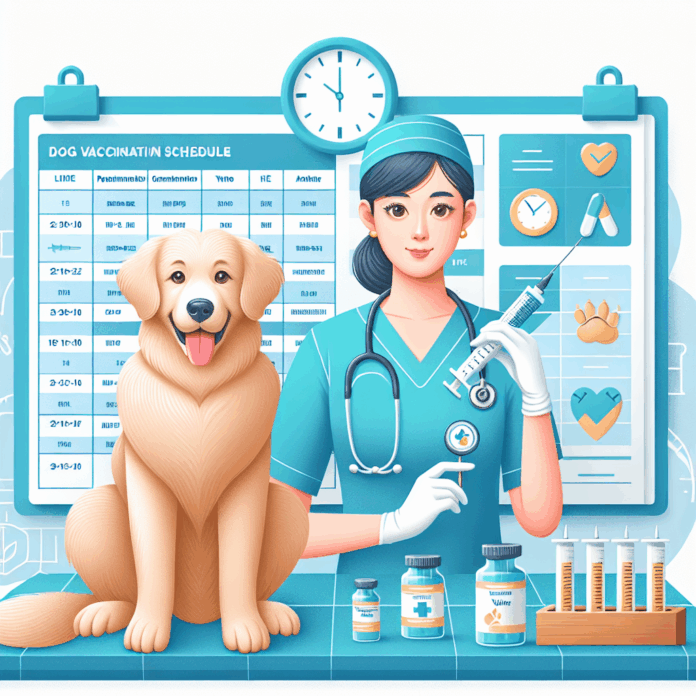
When it comes to our furry friends, ensuring their health and well-being is paramount. One of the most significant steps in this endeavor is following a comprehensive vaccination schedule. Vaccinations protect dogs from serious diseases that can be life-threatening. In this article, we’ll delve into the essential vaccinations, a well-structured schedule, and tips for ensuring your dog stays up-to-date on their shots.
Why Vaccination is Important
Vaccination is crucial for several reasons:
Prevention of Diseases: Vaccines protect dogs from highly contagious and potentially fatal diseases such as parvovirus, distemper, and rabies.
Herd Immunity: Widespread vaccination helps to prevent outbreaks in the community, protecting those animals that cannot be vaccinated due to medical reasons.
Cost-Effectiveness: Preventing diseases through vaccination is significantly more cost-effective than treating them once contracted.
- Laws and Regulations: Some areas mandate certain vaccinations, such as rabies, making them a legal requirement for dog ownership.
Core vs. Non-Core Vaccines
Vaccines for dogs are categorized into two main groups: core and non-core vaccines.
Core Vaccines
Core vaccines are universally recommended for all dogs due to the severity and prevalence of the diseases they prevent. These include:
Canine Distemper Virus (CDV): A highly contagious disease that affects a dog’s respiratory, gastrointestinal, and central nervous systems.
Canine Parvovirus (CPV): A viral disease that causes severe gastrointestinal distress and can be fatal if not treated.
Canine Adenovirus (CAV): Protects against infectious hepatitis, which affects the liver.
- Rabies: A fatal viral disease that affects the brain and is transmissible to humans.
Non-Core Vaccines
Non-core vaccines are optional and depend on the dog’s lifestyle, location, and potential exposure. These include:
Bordetella Bronchiseptica: Commonly associated with kennel cough, this vaccine is recommended for dogs that are boarded or frequently interact with other dogs.
Lyme Disease: Recommended for dogs in areas where ticks are prevalent.
- Leptospirosis: Protects against a bacterial infection that can affect humans and dogs alike, particularly in wet or rural areas.
Recommended Vaccination Schedule
Establishing a solid vaccination schedule is vital for your dog’s long-term health. Below is a typical vaccination schedule:
Puppy Vaccination Schedule
6 to 8 Weeks:
- DHPP (Distemper, Hepatitis, Parvovirus, and Parainfluenza)
- Bordetella (if at risk)
10 to 12 Weeks:
- Second DHPP
- Leptospirosis (if at risk)
12 to 16 Weeks:
- Third DHPP
- Rabies (typically required by law)
- Bordetella (if at risk)
- 16 to 20 Weeks:
- Final DHPP
Adult Dog Vaccination Schedule
1 Year After Last Puppy Vaccination:
- DHPP Booster
- Rabies Booster (depending on local laws)
Every 3 Years:
- DHPP Booster (some regions offer 3-year vaccines)
- Rabies Booster (check local laws)
- Remember: Depending on lifestyle and exposure risks, non-core vaccines such as Bordetella, Lyme, and Leptospirosis may be given annually or every 1-3 years.
Keeping Track of Vaccinations
Maintaining an accurate vaccination record is vital for any responsible dog owner. Here are some tips for tracking your dog’s vaccinations:
Veterinary Records: Always ask for a copy of your dog’s vaccination records after each visit.
Reminders: Use calendar reminders or apps to keep track of upcoming vaccinations.
- Health Check-Ups: Schedule annual check-ups with your veterinarian, where vaccinations can be updated and additional health checks performed.
What to Expect During Vaccination
Before taking your dog for their vaccinations, here’s what you can expect:
Consultation: The vet will review your dog’s health history and discuss any potential concerns.
Vaccination: Vaccines are typically administered via injection. If your dog is overly anxious, your vet may recommend calming techniques beforehand.
- Post-Vaccination Care: After receiving vaccines, monitor your dog for any adverse reactions. Common reactions may include mild fever or swelling at the injection site. Serious reactions are rare but require immediate veterinary attention.
FAQs About Dog Vaccination
1. How do I know which vaccinations my dog needs?
The best way to determine which vaccinations are necessary is to consult your veterinarian. They will consider your dog’s age, lifestyle, and health status.
2. Are vaccinations safe for my dog?
Yes, vaccines undergo rigorous testing to ensure safety and efficacy. However, like any medical treatment, there can be side effects. It’s crucial to discuss any concerns with your vet.
3. Can I skip certain vaccinations?
While some vaccines are optional (non-core), skipping core vaccinations is not recommended. These vaccines protect against severe and potentially fatal diseases.
4. What happens if I miss a vaccination?
If you miss a vaccination, consult your veterinarian as soon as possible. They can recommend rescheduling and whether a booster is necessary.
5. How often does my dog need vaccinations?
Core vaccinations are typically administered every 1 to 3 years, depending on the vaccine and local regulations. Non-core vaccines may require annual boosters based on exposure risk.
6. Should my dog be vaccinated if they are elderly or have health issues?
Older dogs or those with pre-existing health issues may still need vaccinations, but it’s crucial to discuss this with your veterinarian to tailor a safe vaccination plan.
Conclusion
A comprehensive dog vaccination schedule is vital in safeguarding your pet against serious diseases. By adhering to a regular vaccination schedule and maintaining clear records, you can ensure your dog’s health and happiness for years to come. Always consult your veterinarian for personalized recommendations that consider your dog’s specific needs and circumstances. Don’t miss a shot—it’s essential for a long, healthy life for your furry family member!

