

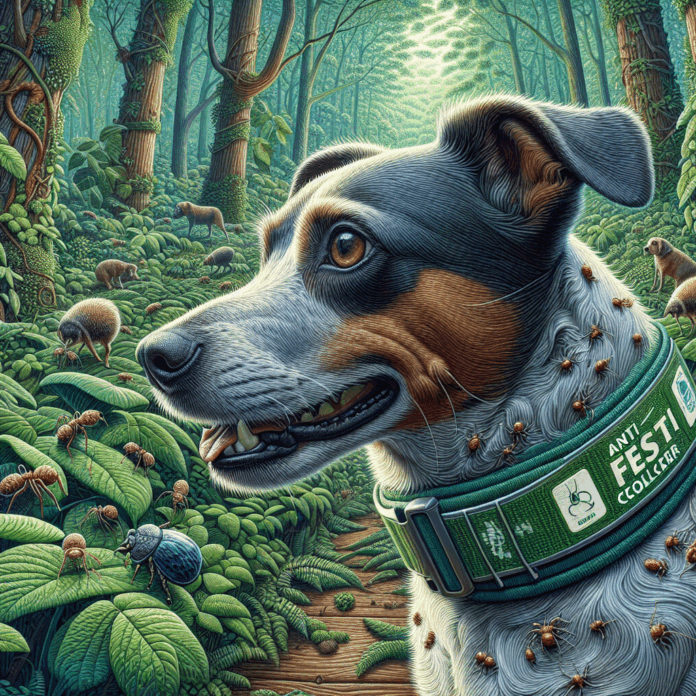
Ticks are more than just a nuisance; they pose a significant health risk to both dogs and their owners. Understanding how to effectively remove ticks from your dog is crucial in preventing serious diseases carried by these pests. In this complete guide, we will walk you through the steps of tick removal, the best preventive measures, and some frequently asked questions to give you a comprehensive understanding of tick management.
Understanding Ticks
Ticks are small, blood-sucking arachnids that thrive in wooded areas, tall grass, and even your backyard. They attach themselves to a host, like your dog, to feast on its blood. Ticks can carry harmful diseases such as Lyme disease, Rocky Mountain spotted fever, and ehrlichiosis, making it essential to act quickly upon discovering one.
Types of Ticks
- Deer Ticks (Ixodes scapularis): Often found in wooded areas, they can transmit Lyme disease.
- American Dog Ticks (Dermacentor variabilis): Common in open fields and gardens, they are known to spread Rocky Mountain spotted fever.
- Brown Dog Ticks (Rhipicephalus sanguineus): Typically found in homes and kennels, they can transmit various diseases.
Signs of Tick Infestation
Keep an eye out for the following signs that your dog might have a tick:
- Excessive scratching or biting at a specific area.
- Red, irritated skin or inflammation where a tick may be attached.
- Lethargy or unusual behavior.
- Loss of appetite.
Steps for Tick Removal
If you discover a tick on your dog, do not panic. Follow these steps for safe and effective removal:
What You Will Need:
- Fine-tipped tweezers (or a tick removal tool)
- Gloves (to protect yourself)
- Rubbing alcohol
- Small container with a lid
- Antiseptic wipes or cream
Step-by-Step Guide:
Prepare Yourself: Wear gloves to reduce the risk of disease transmission. Having a well-lit area will also help you see the tick clearly.
Do Not Use Home Remedies: Avoid using petroleum jelly, nail polish remover, or heat to try and remove the tick. These methods are ineffective and can lead to further complications.
Grasp the Tick: Using fine-tipped tweezers, grasp the tick as close to your dog’s skin as possible. Make sure to grab the head of the tick, not just its body.
Pull Straight Up: With steady pressure, pull the tick straight out. Avoid twisting or jerking, as this can cause parts of the tick to break off and remain embedded in your dog’s skin.
Examine the Tick: Place the tick in a small container with rubbing alcohol to kill it. This can also be useful if you want to identify what type of tick it was, which can help determine if your dog is at risk for any diseases.
Clean the Bite Area: Once the tick is removed, clean the bite area on your dog with an antiseptic wipe or cream. Monitor the site for any signs of infection.
- Observe Your Dog: Keep an eye on your dog for the next few weeks. Look for signs of illness such as lethargy, loss of appetite, or swelling.
Preventive Measures
Preventing a tick infestation is far easier than dealing with one. Here are several effective strategies:
1. Use Tick Preventive Products
- Topical Treatments: Apply veterinarian-recommended topical treatments monthly.
- Oral Medications: Consider oral medications that kill ticks quickly.
- Tick Collars: Tick collars can provide long-lasting protection.
2. Maintain Your Yard
- Mow Regularly: Keep your lawn short to reduce tick habitats.
- Remove Debris: Clear out leaf litter, brush, and tall grasses.
- Create a Barrier: Consider using wood chips or gravel to create a barrier between wooded areas and your yard.
3. Regularly Check Your Dog
Make it a habit to check your dog for ticks after walks, particularly in places where ticks are likely to thrive. Areas to focus on include:
- Between toes
- Under the collar
- Around the ears
- Under the legs
4. Bathing and Grooming
Regular baths and grooming sessions not only keep your dog clean but also provide an opportunity to spot ticks early. Use a fine-toothed comb to check for ticks regularly.
FAQ Section
Q1: What should I do if parts of the tick break off in my dog’s skin?
If you notice that parts of the tick remain embedded, it’s important to consult your veterinarian. They can safely remove the remaining parts and check for signs of infection.
Q2: What diseases can ticks transmit to dogs?
Ticks can transmit various diseases, including Lyme disease, Rocky Mountain spotted fever, ehrlichiosis, and anaplasmosis. Each of these diseases can lead to serious health issues if left untreated.
Q3: How can I tell if my dog has been infected by a tick-borne disease?
Common signs that could indicate a tick-borne disease include:
- Fever
- Lethargy
- Joint pain
- Swelling
- Loss of appetite
If you observe these signs, contact your veterinarian promptly.
Q4: How often should I check my dog for ticks?
You should check your dog for ticks after every outing, especially if you walked in grassy or wooded areas. Regular grooming sessions can also be a proactive measure.
Q5: Are there any natural remedies to repel ticks?
While some natural remedies, like essential oils, may offer limited protection, they should not replace veterinarian-recommended tick prevention methods. Always consult your vet before using natural remedies.
Q6: Can ticks affect humans?
Yes, ticks can also bite humans and transmit various diseases. It’s crucial to take preventive measures for both pets and people in areas where ticks are prevalent.
Conclusion
Ticks pose a considerable risk to your dog’s health, but with careful attention and proactive measures, you can significantly reduce their impact. By understanding how to effectively remove ticks and taking steps to prevent infestations, you can ensure your furry friend remains healthy and happy. Remember, when in doubt, consult your veterinarian for personalized advice and treatment options. Don’t let ticks win—stay informed and vigilant!

