

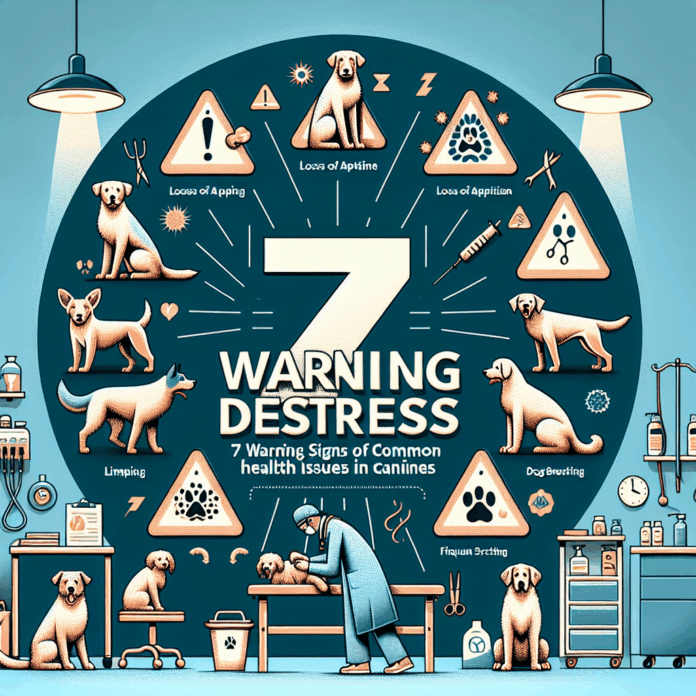
As pet owners, it’s our responsibility to ensure that our furry companions lead healthy, happy lives. However, dogs can’t communicate their discomfort or health issues like humans can, which makes it vital for us to recognize the warning signs. Understanding these red flags can help us address potential health problems early, improving our dogs’ quality of life and longevity. Here, we’ll explore seven common signs that may indicate health issues in canines, as well as provide guidance for what to do if you notice any of these symptoms.
1. Changes in Appetite
One of the first signs of distress in dogs often manifests through changes in their eating habits. A sudden increase or decrease in appetite can be indicative of a variety of health concerns, including dental issues, gastrointestinal problems, or systemic diseases.
What to Look For:
- Decreased Appetite: If your dog is interested in food but refuses to eat, it may be indicative of nausea, oral pain, or infections.
- Increased Appetite: A ravenous appetite can be a sign of metabolic disorders or parasites.
Action Steps:
Monitor your dog’s eating habits for more than a day or two. If changes persist or are accompanied by other symptoms, consult your veterinarian.
2. Excessive Thirst and Urination
Increased thirst and urination—known medically as polydipsia and polyuria—can indicate underlying health issues, including kidney disease, diabetes, or hormonal imbalances such as Cushing’s disease.
What to Look For:
- Drinking More Water: If your dog finishes their water bowl much quicker than usual or seems fixated on drinking water.
- Frequent Urination: Notable increases in the frequency of bathroom breaks, both indoors and outdoors.
Action Steps:
Keep track of your dog’s drinking and urination patterns. Discuss these changes with a vet for appropriate testing.
3. Changes in Energy Levels
Lethargy or changes in energy levels can be a signal that something is amiss in your dog’s health. If your previously active dog suddenly becomes listless or struggles to engage in their favorite activities, it could indicate pain or illness.
What to Look For:
- Loss of Interest: Reduced enthusiasm for playtime or walks, or an unwillingness to engage with people or other pets.
- Increased Sleeping: If your dog is sleeping more than usual or has trouble waking up.
Action Steps:
Consider environmental factors (like heat) first, but if lethargy continues for more than a day, a veterinary check-up is recommended.
4. Vomiting or Diarrhea
Occasional vomiting or diarrhea can happen in dogs but if these symptoms persist beyond 24 hours or occur more than once, it can be a cause for concern—possibly indicating dietary indiscretion, infections, or serious gastrointestinal issues.
What to Look For:
- Frequency and Consistency: Consider how often your dog is vomiting or having loose stools, and if there are blood or unusual colors involved.
- Additional Symptoms: Accompanying symptoms like lethargy, confusion, or lack of appetite are red flags.
Action Steps:
If your dog exhibits severe vomiting or diarrhea, especially if accompanied by other symptoms, immediately consult your veterinarian.
5. Changes in Weight
Sudden weight gain or loss can be major indicators of health issues in dogs. Weight gain may be due to overfeeding, a lack of exercise, or metabolic disorders, while weight loss can signal various health problems, including dental issues, cancer, or gastrointestinal disorders.
What to Look For:
- Rapid Changes: Weight changes in a short period (more than 1-2 pounds) can be alarming.
- Body Condition: Monitor your dog’s body condition by feeling for ribs and checking for visible changes.
Action Steps:
Keep a regular check on your dog’s weight and consider small, frequent weigh-ins to catch rapid changes. Consult a veterinarian for tailored nutrition and exercise advice.
6. Skin Problems
Skin issues in dogs can manifest in many ways, including excess itching, redness, bumps, or even hair loss. These conditions might arise from allergies, parasites, infections, or more serious medical concerns.
What to Look For:
- Itching/Scratching: Excessive scratching or biting of the skin can suggest allergies or parasites such as fleas.
- Rash or Inflammation: Redness, swelling, or discolored patches on the skin should not be ignored.
Action Steps:
Consider changes in environment or diet that might have triggered skin problems. Regular baths and grooming can help, but persistent issues warrant a veterinary evaluation.
7. Behavioral Changes
Dogs may change their behavior when they are in pain or feeling unwell. A previously friendly and social dog may become withdrawn or aggressive due to discomfort, making it vital for pet owners to monitor for behavioral changes.
What to Look For:
- Withdrawal: If your dog is isolating itself more than usual, this can be a red flag.
- Agitation: Increased aggression or anxiety can be a direct response to pain or discomfort.
Action Steps:
Reflect on any recent changes in your dog’s environment or routine. A consultation with a veterinarian can help identify if underlying health issues contribute to these behavioral shifts.
FAQs
Q1: How often should I take my dog to the vet?
A: Regular check-ups, at least once a year, are essential for maintaining your dog’s health. Older dogs or those with existing health issues may require more frequent visits.
Q2: What vaccinations does my dog need?
A: Core vaccinations include rabies, distemper, parvovirus, and hepatitis. Consult with your veterinarian regarding non-core vaccines based on your dog’s lifestyle and environment.
Q3: How can I prevent common health problems in dogs?
A: Regular exercise, a balanced diet, routine vet check-ups, vaccinations, and attention to hygiene can significantly reduce the risk of health issues.
Q4: What should I do if my dog exhibits one or more of these signs?
A: If you notice any alarming signs, especially if they persist or worsen, contact your veterinarian immediately for a thorough examination.
Q5: Are some breeds more prone to certain health problems?
A: Yes, certain breeds do have hereditary predispositions to specific health concerns. Research your dog’s breed to learn about potential health issues and preventative measures.
Recognizing these signs of distress is crucial for the well-being of your canine companion. Vigilance, a proactive approach, and veterinary consultation can lead to early intervention and improved health outcomes. Your dog trusts you to be their advocate—stay observant, informed, and engaged for a happy, healthy life together!

