Dog breath can be a common nuisance for dog owners, often leading to embarrassment and concerns about your pet’s health. While a certain level of doggy breath is normal, particularly after meals or a day of play, persistent bad breath can indicate underlying health issues. Here’s a comprehensive guide to help you tackle that canine halitosis and keep those tails wagging!
Understanding Doggy Breath
First, let’s dive into what causes that notorious doggy breath. The primary culprits are:
- Bacteria: Just like humans, dogs have bacteria in their mouths. When these bacteria break down food particles, they produce sulfur compounds, leading to unpleasant odors.
- Dental Health: Gum disease, tartar buildup, and tooth decay can significantly contribute to bad breath. Regular oral hygiene is crucial.
- Diet and Snacks: The food your dog eats plays a significant role in their breath. Some foods and treats can contribute more to bad smells than others.
- Health Issues: Bad breath can also be a sign of health issues such as kidney disease, liver disease, or diabetes.
Knowing the cause of your dog’s bad breath can help you find the most effective solutions.
Essential Tips for Fresher Breath
1. Regular Dental Care
Just as humans need to brush their teeth to maintain good oral hygiene, dogs need dental care too. Here are some steps you can take:
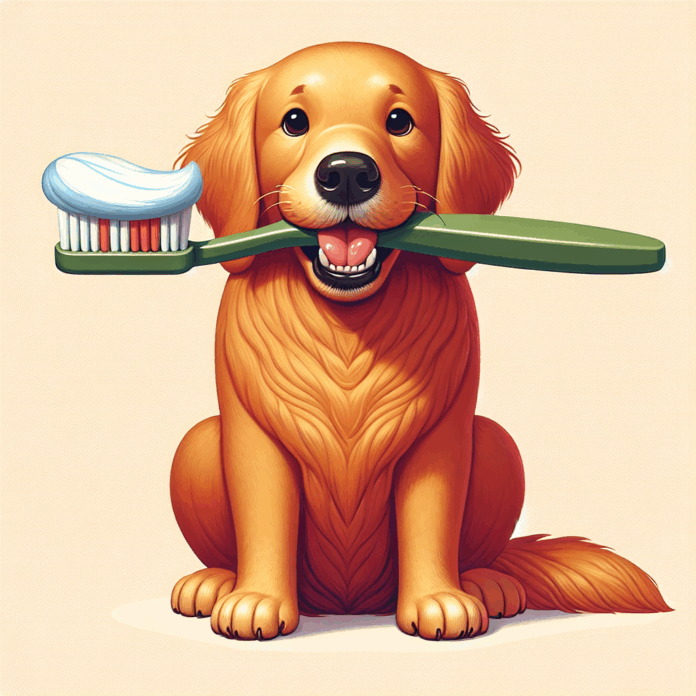
- Brush Regularly: Aim to brush your dog’s teeth at least two to three times a week. Use a toothbrush and toothpaste designed specifically for dogs.
- Dental Chews: Incorporate dental chews or treats approved by the Veterinary Oral Health Council (VOHC). These can help reduce plaque and tartar buildup.
- Professional Cleanings: Schedule regular veterinary dental cleanings. Depending on your dog’s breed and health, your vet might recommend these once a year or more frequently.
2. Choose the Right Diet
A nutritious diet can also affect your dog’s breath. Consider the following:
- Quality Ingredients: Look for dog food made with high-quality, easily digestible ingredients. Such foods help reduce the possibility of bad breath created by digestive issues.
- Raw Bones: Raw, meaty bones can help clean your dog’s teeth naturally. However, always supervise your dog while they chew to avoid accidents.
- Fresh Water: Ensure your pup always has access to fresh, clean water. Hydration helps maintain saliva production, which naturally cleanses the mouth.
3. Implement Dental Toys
To encourage chewing while also helping to reduce plaque buildup, invest in dental toys designed specifically for dogs. These toys are created to be tough yet gentle on their teeth, helping to clean as they chew.
4. Freshening Treats
Some treats are specifically designed to combat bad breath. Look for those that contain breath-freshening ingredients like parsley or mint. These can provide a quick fix for any unexpected doggy breath issues.
5. Regular Vet Check-ups
Routine vet check-ups are crucial not just for overall health but also for identifying potential issues that could cause halitosis. If you notice persistent bad breath despite following these tips, consult your veterinarian. They might conduct dental X-rays or blood tests to rule out underlying health concerns.
6. Monitor for Other Symptoms
Keep an eye on any changes in your dog’s behavior or health. If your pup exhibits signs of pain while eating, increased drooling, or any other unusual symptoms, it may indicate dental disease or other health problems, necessitating a vet visit.
7. Use Natural Remedies
Some natural remedies may assist with mouth cleanliness:
- Carrots and Apples: Crunchy fruits and veggies can help clean your dog’s teeth naturally and provided a fresh taste.
- Coconut Oil: This oil is known for its antibacterial properties and can help with bad breath. You can apply it to your dog’s food or use it during brushing.
Common Misconceptions About Doggy Breath
Dental Products Aren’t Necessary
Many dog owners believe that dental products are not necessary if their pet eats dry food. This is a misconception. While dry food can help with some tooth cleaning, it’s not a complete solution to dental health.
It’s Just Bad Breath
Bad breath is often brushed off as a normal part of being a dog. However, it can be a symptom of serious health issues, and it should not be ignored. Maintaining oral hygiene can prevent larger health problems down the line.
All Dogs Have Bad Breath
Bad breath is not a universal trait in dogs. With regular dental care and a proper diet, many dogs can have fresh breath.
FAQs
1. How often should I brush my dog’s teeth?
Ideally, you should brush your dog’s teeth at least two to three times a week, though daily brushing is even better for preventing bad breath and dental disease.
2. Is doggy breath harmful?
While doggy breath can seem like a nuisance, persistent bad breath can indicate underlying health issues that may require veterinary attention.
3. Can dental treats replace brushing?
While dental treats can help reduce plaque and freshen breath, they should not replace regular brushing. Combining both methods is the most effective approach for maintaining your dog’s dental health.
4. What are some dental chews I can give my dog?
Look for dental chews that have the Veterinary Oral Health Council (VOHC) seal of approval. Popular brands include Greenies, Virbac C.E.T. Enzymatic Dental Chews, and Nylabone.
5. How can I tell if my dog has dental disease?
Signs of dental disease may include bad breath, swollen gums, difficulty eating, excessive drooling, and loose teeth. If you notice any of these symptoms, consult your veterinarian.
6. Are there any foods that specifically help with bad breath?
Yes, certain ingredients, like parsley and mint, are known for their breath-freshening properties. Dog foods and treats containing these can help combat doggy breath.
7. What if these methods don’t work?
If your dog’s bad breath doesn’t improve with these tips, it’s vital to take them to a veterinarian for a thorough examination. Persistent bad breath can indicate serious health conditions that need attention.
Conclusion
Addressing doggy breath might seem challenging, but with the right approach, you can have your pup’s breath smelling fresh in no time. Regular dental care, a balanced diet, and routine veterinary visits are key to ensuring your dog’s overall health and a fresher mouth. Implement these tips, and you’ll find it’s possible to live with a dog that has fabulous breath!

