
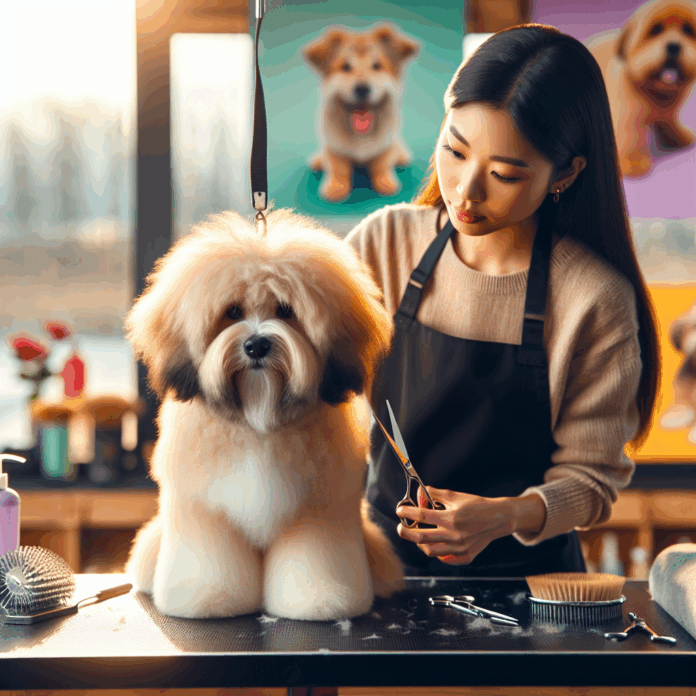
Creating a DIY dog spa at home is a wonderful way to pamper your furry friend while also making bath time a fun and enjoyable experience. With the right tools, techniques, and a soothing environment, you can turn an ordinary bath into a luxurious spa retreat. In this article, we’ll discuss everything you need to know about bathing your dog like a pro, including necessary supplies, step-by-step instructions, and tips to make bath time less stressful for both you and your pup.
Why a DIY Dog Spa?
Bathing your dog at home can be more than just about cleanliness. A well-planned dog spa experience can enhance your bond, alleviate anxiety, and provide your pet with the care they deserve. Furthermore, it gives you control over the products used, ensuring they are safe and suitable for your dog’s specific needs.
Benefits of a Dog Spa Experience
- Bonding Time: Bathing your dog offers a chance for you to connect.
- Stress Relief: A calm and soothing environment can reduce your dog’s stress.
- Personalized Care: You can customize the grooming experience to your dog’s needs, whether they have sensitive skin or a specific coat type.
- Cost-Effective: Regular visits to a professional groomer can add up; creating a DIY spa saves money in the long run.
Setting Up Your DIY Dog Spa
1. Choose the Location
Designate a specific area in your home for the spa experience. This could be your bathtub, a shower stall, or even outdoors if the weather permits. Ensure the space is comfortable, well-lit, and easy to clean.
2. Gather Supplies
Here’s what you’ll need for a successful DIY dog spa experience:
- Dog Shampoo: Select a gentle, hypoallergenic shampoo suitable for your dog’s coat and skin type. Avoid human shampoos as they can irritate their skin.
- Conditioner: A good conditioner can help keep your dog’s coat soft and manageable.
- Towels: Have at least two absorbent towels handy for drying.
- Grooming Tools: Brushes, combs, and possibly nail clippers for a complete grooming experience.
- Non-slip Mat: Use a mat in the bathtub or shower to prevent slipping.
- Spray Bottle: For rinsing hard-to-reach areas or applying conditioner.
- Treats: Keep treats nearby to reward good behavior and make the process enjoyable.
3. Create a Relaxing Atmosphere
Set the mood by playing soft music or using aromatherapy (ensure the scents are safe for dogs). Dim the lights or light a few candles, keeping safety in mind, to create a soothing vibe.
Step-by-Step Bathing Guide
1. Prepare Your Pup
- Brush: Start by brushing your dog’s coat to remove any tangles and loose fur.
- Trim Nails: If your dog is comfortable, trim their nails before the bath to prevent scratching.
2. Introduce Water Gradually
- Temperature Check: Make sure the water is lukewarm. You can test it on your wrist.
- Gentle Introduction: Slowly introduce your dog to the water. Use a cup or handheld sprayer on a low setting to wet them down gradually rather than blasting them with water.
3. Apply Shampoo
- Massage: Use a small amount of dog shampoo and gently massage it into your dog’s coat, avoiding their eyes and ears. Make sure to cover all areas, including underbelly and paws.
4. Rinse Thoroughly
- Ensure Cleanliness: Rinse your dog completely to avoid any residue that may irritate their skin. Continue rinsing until the water runs clear.
5. Apply Conditioner (Optional)
- Condition: If using conditioner, apply it according to the product instructions. Leave it on for a few minutes before rinsing to allow it to work effectively.
6. Drying
- Towels First: Once the bath is done, wrap your pup in a towel to absorb excess water. Be gentle and pat rather than rub.
- Air or Blow Dry: Depending on your dog’s tolerance, you can air dry them or use a blow dryer on a low, cool setting, ensuring they feel comfortable with the noise.
7. Final Touches
- Brush Again: Once dry, brush their coat again to keep it looking nice and free of tangles.
- Reward: Don’t forget to give your pup treats and praises throughout the process to reinforce positive behavior!
Additional Tips for a Successful Spa Day
- Time it Right: Choose a time when your dog is calm, perhaps after a walk or some playtime.
- Stay Calm: Your energy influences your dog. Stay relaxed to help them feel secure.
- Introduce New Tools Gradually: If you’re using new grooming tools, introduce them slowly to avoid overwhelming your pup.
Common Issues and Solutions
- Reluctance to Bathe: If your dog dislikes baths, consider breaking it into smaller sessions, or get them used to the water gradually.
- Water in the Ears: After rinsing, tilt their head to the side and gently squeeze the base of the ear to release any trapped water. You can also use a cotton ball to prevent water from entering their ears during baths.
- Dry Skin: If your dog has dry skin, look for moisturizing shampoos or consider consulting with a vet for specialized products.
FAQs
Q: How often should I bathe my dog?
A: It generally depends on your dog’s breed, lifestyle, and coat type. As a rule of thumb, most dogs benefit from a bath every month. However, dogs that spend lots of time outdoors or have oily skin may need baths more frequently.
Q: Can I use human shampoo on my dog?
A: No, human shampoos can have harsh chemicals and different pH levels that can irritate a dog’s skin. Always use a pet-specific shampoo.
Q: What if my dog is scared of water?
A: Take it slow. Introduce them to water gradually, perhaps using a damp cloth first. Make the experience rewarding with treats and calm praise.
Q: How can I prevent my dog’s coat from becoming tangled after a bath?
A: Regular brushing, especially for long-haired dogs, is key. Consider using a leave-in conditioner for extra moisture and to help detangle.
Q: Is it necessary to use conditioner?
A: While not mandatory, a conditioner can help keep your dog’s coat soft, shiny, and free of tangles, especially for longer or thicker coats.
Q: How can I clean my dog’s ears during bath time?
A: Use a dog-safe ear cleaner and a cotton ball. Apply the cleaner to the cotton ball and gently wipe the outer part of the ear, avoiding going deep into the ear canal.
Creating a dog spa at home revamps a typical bathing routine into an enjoyable experience for both you and your pup. By preparing adequately and making the process fun, you’ll both look forward to the next bath!

