

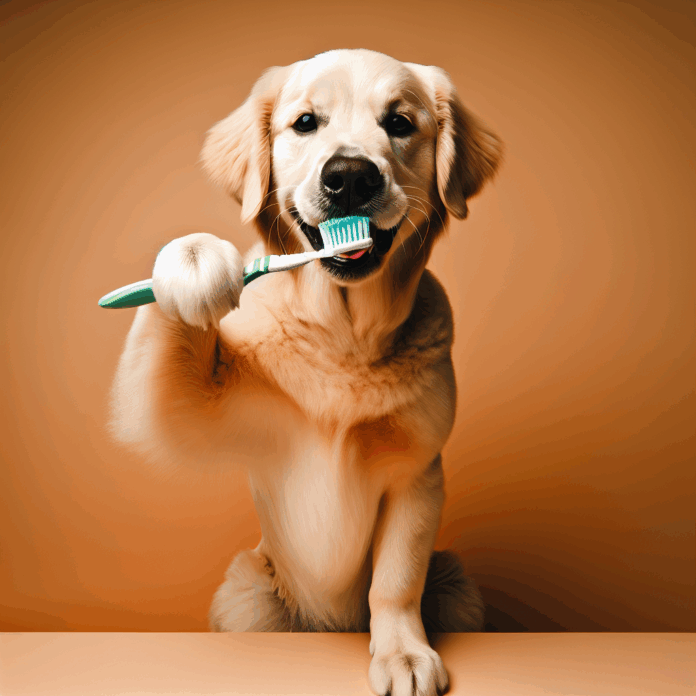
As pet owners, we often focus on our dogs’ external well-being: their fur, their energy levels, and their overall happiness. However, one area that frequently gets overlooked is oral health. Just like humans, dogs can suffer from various dental dilemmas, and recognizing the signs of oral disease is crucial for maintaining their overall health. In this article, we’ll delve into the common signs of oral disease in dogs, the underlying causes, and proactive measures you can take to ensure your furry friend maintains a healthy smile.
Understanding Canine Oral Disease
Oral disease in dogs generally refers to a range of conditions affecting a dog’s teeth, gums, and oral cavity. Dental issues can significantly affect not just the mouth but the overall health of your dog. Oral bacteria can enter the bloodstream, potentially impacting the heart, liver, and kidneys, leading to severe health complications.
Common Types of Oral Diseases
Periodontal Disease: This is the most common dental issue in dogs, resulting from the accumulation of plaque and tartar leading to gingivitis and potential tooth loss.
Dental Caries (Cavities): Rare in dogs but can occur; it results from the dissolution of tooth enamel due to acid produced by bacteria.
Tooth Fractures: Can occur from chewing on hard objects, leading to pain and infection.
- Oral Tumors: These can be benign or malignant and may require surgical intervention.
Recognizing the Signs of Dental Disease
Bad Breath (Halitosis): While dogs can have some natural odor, an extreme foul breath often indicates plaque buildup or periodontal disease.
Changes in Eating Habits: A dog in pain may refuse to eat hard food or might be hesitant to chew.
Excessive Drooling: Unexplained drooling may suggest oral pain or other dental issues.
Gums That are Red or Swollen: Healthy gums should be pink and firm. Red or swollen gums can signify gingivitis or periodontal disease.
Loose or Missing Teeth: If you notice that your dog has lost a tooth or if their teeth seem loose, this is a sure sign of a serious dental issue.
Chewing Differently: If your dog begins favoring one side of their mouth when chewing, it may suggest pain or discomfort in the opposite area.
Facial Swelling: Swelling around the face or muzzle may indicate an abscessed tooth or other serious issues.
- Behavioral Changes: Increased irritability, lethargy, or changes in demeanor can be signs of discomfort or pain.
What Causes Dental Diseases in Dogs?
Inadequate Dental Care: Many cases of dental disease can be prevented through regular brushing and professional dental cleanings.
Diet: Poor nutrition can contribute significantly to the development of oral diseases. A diet high in carbohydrates can promote plaque buildup.
Genetics: Certain breeds are more prone to dental problems. For example, toy breeds often have crowded teeth, leading to increased plaque buildup.
- Aging: Older dogs are more susceptible to dental diseases due to natural wear and tear on their teeth and gums.
Prevention and Care
Regular Dental Check-ups: Schedule annual veterinary check-ups that include a thorough oral examination. Your vet may recommend dental cleanings as needed.
Brushing Teeth: Regular brushing at home can dramatically reduce plaque buildup. Using dog-specific toothpaste and toothbrushes makes the process easier.
Dental Chews and Toys: Providing dental chews and toys that encourage chewing can help reduce plaque and tartar. Look for products approved by the Veterinary Oral Health Council (VOHC).
Balanced Diet: Feeding your dog a diet that includes dental kibble designed to reduce plaque buildup can be beneficial.
- Monitor Oral Health: Regularly check your dog’s mouth, looking for signs of dental issues. Early detection is key to successful treatment.
When to Consult Your Veterinarian
If you notice any signs of oral disease, it’s crucial to consult your veterinarian as soon as possible. Early intervention can save your dog from unnecessary pain and more severe health complications. Your vet will likely recommend a dental cleaning and may conduct radiographs (X-rays) to assess the condition of the teeth and roots.
The Importance of Dental Health
Investing time in your dog’s dental health can significantly improve their quality of life. Healthy teeth and gums not only mean less pain and discomfort but can also add years to your dog’s life. Remember that oral health is a crucial component of overall wellness.
Conclusion
Recognizing the signs of oral disease in dogs is vital for ensuring that your furry companion stays healthy and happy. By being proactive and attentive to your dog’s dental care, you can help prevent serious health issues down the road. Make oral health a priority, and your dog will thank you with endless tail wags and happy barks.
FAQs
1. How often should I brush my dog’s teeth?
Aim to brush your dog’s teeth at least two to three times a week. Daily brushing is ideal for optimal dental health.
2. Can dogs get cavities like humans?
Yes, dogs can develop cavities, but they are relatively rare compared to humans due to differences in their diet and oral environment.
3. What should I do if my dog has bad breath?
Persistent bad breath may indicate dental disease. Schedule a visit to your veterinarian for a thorough examination.
4. Are dental chews effective?
Dental chews can help reduce plaque and tartar buildup but should complement regular brushing and dental visits, not replace them.
5. How can I choose the right dental diet for my dog?
Consult with your veterinarian to choose a veterinary-approved dental diet that meets your dog’s specific needs. Look for products with the Veterinary Oral Health Council (VOHC) seal.

