

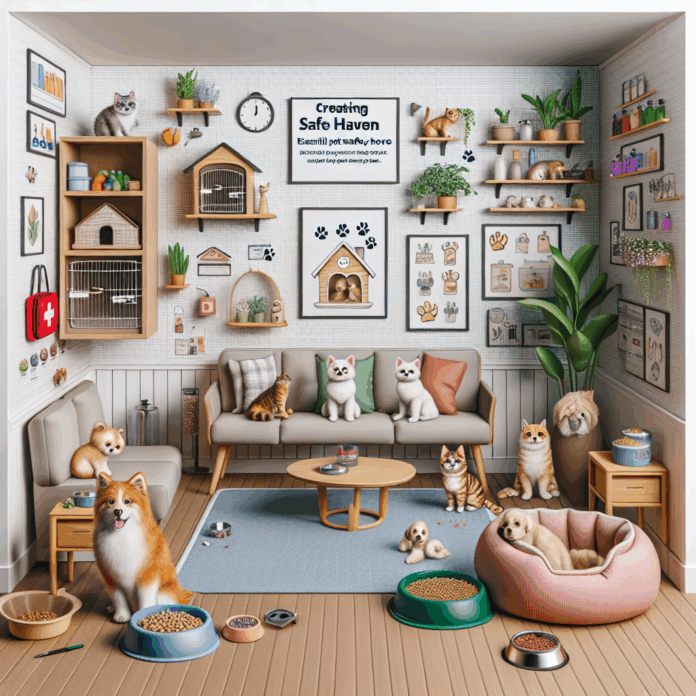
Our pets are cherished members of our families. Just like any family member, they deserve a safe and comfortable environment to live in. In this article, we will explore essential pet safety tips that can help turn your home into a haven for your furry (or feathered) friends. From pet-proofing your living space to ensuring they’re secure during emergencies, we’ll cover everything you need for a safe home.
Understanding Common Household Hazards
One of the first steps to creating a safe haven for your pets is understanding potential hazards in your home. Many items we take for granted can be dangerous for our pets. Here are some hazards to be mindful of:
Toxic Plants
Plants like lilies, azaleas, and philodendrons can be toxic to pets. Before introducing any new greenery into your home, make sure to research its safety regarding pets. Ideally, consider choosing pet-friendly plants such as spider plants, Boston ferns, and bamboo palms.
Household Chemicals
Many cleaning products, automotive fluids, and garden chemicals can be toxic. Keep these items securely stored away from your pets, ideally in high cabinets or sheds. Always opt for pet-safe cleaning alternatives when possible.
Sharp Objects
From kitchen knives to paper clips, sharp objects can pose a significant risk. Keep these items out of reach and ensure that any pet toys are safe and durable to minimize choking hazards.
Small Objects
Items such as coins, rubber bands, and small parts from toys may interest pets but pose a choking hazard. Regularly check your floors and surfaces to remove any small objects.
Creating a Pet-Friendly Environment
Once you’ve identified potential hazards, it’s time to create a pet-friendly environment. Here are several methods to ensure your home remains a safe haven:
Secure Trash Bins
Pets are naturally curious and often attracted to the smell of food. Secure your trash bins with tight-fitting lids or store them in cabinets to prevent your pets from rummaging through waste.
Designate Pet-Free Zones
While it’s important to allow your pets to roam freely, there are areas in your home where they shouldn’t go—such as the kitchen or laundry room. Use baby gates or closed doors to keep your pets out of these zones.
Create Comfortable Spaces
Designate a space for your pets where they feel safe, such as a cozy bed in a quiet corner. This space should be free from stressors and should allow them to retreat when they need some alone time.
Safety Gates
If you have stairs in your home, consider installing safety gates to prevent falls. Pets, especially young ones, may not be cautious on stairs.
Safety During Emergencies
Even in a safe environment, emergencies can happen. Whether it’s a natural disaster, severe weather, or a medical emergency, it’s crucial to have a safety plan in place.
Emergency Kit
Create an emergency kit for your pets, including essential supplies like food, water, medications, first aid items, and any important documents, such as vaccination records. Don’t forget comfort items like toys to help ease their stress during an emergency.
Identification
Ensure your pets are always wearing identification tags with updated information. Microchipping your pets offers a permanent means of identification that can be crucial if they go missing.
Emergency Evacuation Plan
Have a plan for evacuating your pets in case of emergencies. Make sure they are accustomed to their carriers or leashes in case they need to be transported quickly.
Pet-Proofing Your Home
Pet-proofing means taking steps to eliminate hazards and creating an environment where pets can live happily and safely. Here are some additional tips:
Electrical Cords and Outlets
Electrocution is a real threat for curious pets. Secure cords using cord holders and ensure outlets have safety plugs if pets spend unsupervised time near them.
Windows and Balconies
If you live in an apartment or have upper floors in your house, install screens or use window guards to prevent falls. Be cautious if you often open windows for fresh air.
Safe Storage of Hazards
Store heavy items, sharp tools, or any harmful substances on upper shelves to mitigate risks if your pet decides to explore.
Pet Gates
In addition to securing stairs and doorways, consider using pet gates to protect certain areas of your home, especially in homes with multiple pets.
Regular Health Checks
Maintaining your pet’s health plays a vital role in their safety and happiness. Schedule regular veterinary check-ups to ensure your pet is in good health.
Training and Behavior
Training your pets to behave appropriately in various situations is another vital aspect of ensuring their safety. Basic obedience training, such as “sit,” “stay,” and “come,” can be invaluable.
Keeping Your Garden Safe
If you have an outdoor space, make sure it is pet-friendly. Assess your garden for any toxic plants, and ensure the fence is high enough and secure to keep pets from wandering off.
Conclusion
Creating a safe haven for your pets requires ongoing attention and care. By identifying potential hazards, pet-proofing your home, creating pet-friendly spaces, and developing an emergency plan, you can ensure your home is a sanctuary for your furry friends. With a little thought and preparation, you can secure their happiness and health, allowing you to enjoy many joyful moments together.
FAQs
1. What are some common signs that my pet might have ingested something toxic?
Common signs include vomiting, diarrhea, excessive drooling, lethargy, or unusual behavior. If you suspect toxicity, consult a veterinarian immediately.
2. Are there any plants that are safe for pets?
Yes, some pet-friendly plants include spider plants, Boston ferns, and bamboo palms. Always do your research before introducing new plants in your home.
3. How often should I take my pet to the veterinarian?
Regular check-ups at least once a year are recommended for healthy pets, while elderly or ill pets might need more frequent visits.
4. Can I use regular cleaning products around pets?
Many traditional cleaning products can be harmful. Opt for pet-safe cleaners or make your own using natural ingredients like vinegar and baking soda.
5. What should I include in an emergency kit for my pet?
Include food, water, medications, a first-aid kit, identification documents, and any comforts like toys or blankets. Make sure the kit is easily accessible.
By following these guidelines and being proactive in your approach to pet safety, you can create a secure and loving environment for your beloved companions.

