

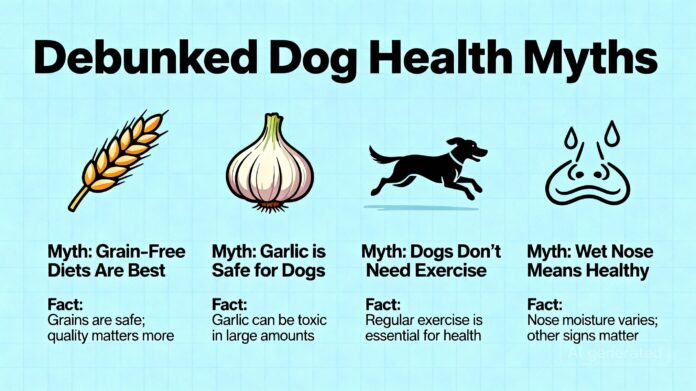
When it comes to our furry companions, misinformation can lead to poor health decisions. While the internet is a treasure trove of information, it often contains myths that can misguide pet owners regarding dog health and care. This comprehensive guide will help debunk some common dog health myths, enabling you to make informed decisions that promote the well-being of your beloved pet.
Myth 1: Dogs Only Need Vaccinations as Puppies
Many pet owners believe that vaccinations are only necessary during a dog’s puppy stage. In reality, adult dogs require regular vaccinations to maintain their immunity against various diseases. Core vaccines, such as rabies, distemper, and parvovirus, should be administered according to your veterinarian’s recommendation, which may include boosters as your dog ages. Annual check-ups are essential, as they allow your vet to assess your dog’s health and update their vaccination status as needed.
Myth 2: A Warm, Dry Nose Means a Dog is Sick
There is a common belief that a warm or dry nose indicates illness in dogs. However, a dog’s nose temperature can fluctuate due to a variety of factors, such as environmental conditions or the dog’s activity level at the time. While a persistent change in behavior, appetite, or energy level may indicate illness, a warm nose alone is not a reliable indicator. It’s crucial to observe your dog holistically and consult a veterinarian if any concerning symptoms arise.
Myth 3: Dogs Eat Grass When They Are Sick
While it’s true that some dogs eat grass, it doesn’t necessarily mean they are unwell. Research indicates that grass-eating behavior is common in many dogs and may be attributed to boredom, natural instinct, or simply a preference for the texture. Additionally, grass can act as a natural laxative, helping to alleviate mild digestive issues. If your dog frequently eats grass and vomits or shows signs of distress, consult your veterinarian for guidance.
Myth 4: Dogs Shouldn’t Eat Bones
The myth that dogs shouldn’t eat bones is a bit misleading. While it’s true that certain bones can splinter and cause serious injuries to a dog’s digestive tract, raw bones from larger animals, such as beef or lamb, can actually be beneficial. They provide dental health benefits, reduce boredom, and offer essential nutrients. However, it’s crucial to avoid cooked bones, as they are more likely to splinter. Always supervise your dog when they are chewing on bones and consult your vet for safe options.
Myth 5: Dogs’ Mouths are Cleaner Than Humans’
There’s a popular myth that a dog’s mouth is cleaner than a human’s. In reality, dogs’ mouths harbor a variety of bacteria, some of which can be harmful to both pets and humans. Just like humans, dogs can develop dental issues if their dental hygiene isn’t maintained. Regular teeth brushing, dental chews, and veterinary cleanings are important for keeping your dog’s mouth healthy. Avoid letting your dog lick your face or open wounds, as this can transfer bacteria.
Myth 6: A Dog’s Fur Keeps Them Warm in Winter
While it is true that a dog’s fur provides insulation, it is not a foolproof barrier against extreme cold. Some breeds are more tolerant to cold weather due to their coat type, but others, particularly those with short or thin fur, are susceptible to hypothermia and frostbite. During winter, it’s essential to observe your dog’s comfort level; if they seem to be shivering or reluctant to go outside, consider providing them with a dog coat or limiting their time outdoors.
Myth 7: Dogs Can’t Get Sunburned
Many people think that dogs are immune to sunburn because of their fur. However, dogs, especially those with short hair or light-colored fur, can indeed get sunburned. Areas with less fur, such as the nose, ears, and belly, are particularly at risk. Overexposure to sunlight can lead to skin damage and increase the risk of skin cancer. If your dog will be outdoors for extended periods, consider applying pet-safe sunscreen and providing shade.
Myth 8: Raw Food Diets are Always Better
Raw food diets have gained popularity among some dog owners, but they come with risks and may not be suitable for every dog. While proponents argue that raw diets are more natural, there’s a risk of bacterial contamination from raw meats, which can lead to serious illness in both dogs and humans. Additionally, improper balancing of nutrients can lead to deficiencies or imbalances. If you’re considering a raw diet for your dog, it’s critical to consult with your veterinarian to ensure it meets your dog’s nutritional needs safely.
Myth 9: All Human Foods Are Safe for Dogs
Some pet owners may think it’s fine to share all their meals with their dogs. However, several human foods are toxic to dogs, including chocolate, grapes, onions, garlic, and avocados. While some foods, like carrots or apples, can be healthy treats, it’s essential to do your research before sharing any human food with your pet. Always consult with your veterinarian to understand which foods are safe and healthy for your dog.
Myth 10: Dogs Age Seven Years for Every Human Year
The belief that one dog year equals seven human years is an oversimplification. The aging process varies significantly based on breed, size, and overall health. Smaller breeds tend to live longer and age more slowly, while larger breeds may age faster. Generally, the first year of a dog’s life equates to approximately 15 human years, and the second year adds around nine years. After that, the aging rate slows down. Understanding your dog’s specific breed and health status can give you a better estimate of their actual age in dog years.
Conclusion
As a responsible dog owner, it’s crucial to navigate through the sea of information carefully. Misinformation can lead to poor health decisions that may affect your companion’s well-being. By debunking these common myths, you can take proactive steps to ensure your dog lives a healthy, happy life. If you have any doubts or questions about your dog’s health, never hesitate to consult with a veterinarian for professional guidance tailored to your pet’s needs.

