

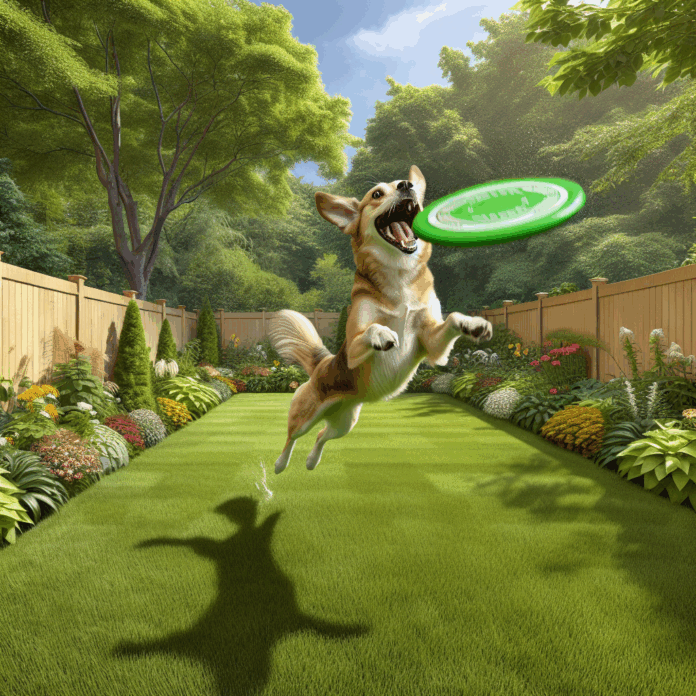
While daily walks are essential for your dog’s physical health, mental stimulation is equally vital to ensure they lead a well-rounded, happy life. Dogs are intelligent creatures, and just as people need mental challenges to thrive, so do our canine companions. This article will explore creative ways to stimulate your dog’s mind beyond routine walks, ensuring they stay engaged, happy, and healthy.
1. Puzzle Toys and Interactive Games
Puzzle toys and interactive games are excellent ways to stimulate your dog’s mind while keeping them entertained. These toys require your pup to think critically to solve challenges, such as finding hidden treats or maneuvering pieces to access food. Brands like Nina Ottosson by Outward Hound offer a variety of puzzle toys that cater to different skill levels.
Benefits:
- Enhances problem-solving skills
- Keeps dogs engaged
- Reduces boredom-related behaviors like chewing and barking
2. Training Sessions
Training should never stop once your dog learns basic obedience commands. Consider introducing advanced commands or tricks to keep their minds sharp. Teaching your dog new tricks, such as rolling over, playing dead, or even more complex navigation tasks, fosters mental engagement.
Tips:
- Use positive reinforcement through treats and praise.
- Keep sessions short (5-10 minutes) to maintain attention.
- Gradually increase difficulty to avoid frustration.
3. Scent Games
Dogs have an incredible sense of smell, and games that involve their noses can provide tremendous mental stimulation. You can start with simple scent games, like hiding treats around the house:
Hide-and-Seek: Have your dog stay in one room while you hide in another. Call them to find you. The joy of seeing you will be enhanced by their mental workout!
- Treasure Hunts: Hide treats in various places around your house or yard, encouraging your dog to sniff them out.
Benefits:
- Maximizes their olfactory senses
- Engages their natural instincts
- Builds confidence as they succeed in finding hidden treasures
4. Socialization and Playdates
Social interactions can boost mental stimulation. Organizing playdates with other dogs not only allows your pet to socialize but also engages them mentally and physically. Different environments and play styles stimulate your dog’s curiosity, encouraging them to adapt and learn social cues.
Advantages:
- Enhances communication skills with other dogs
- Provides opportunities to learn new play habits
- Reduces anxiety and behavioral issues related to isolation
5. Dog Sports and Activities
Engaging in dog sports is a fantastic way to stimulate mental and physical activity simultaneously. Options include agility training, flyball, frisbee, or herding trials. These activities require your dog to think carefully about their movements while also providing the physical exercise they need.
Benefits:
- Strengthens the bond between you and your dog
- Improves physical fitness
- Provides structure and routine
6. DIY Obstacle Courses
Creating a DIY obstacle course in your backyard or living room can be an exciting mental challenge for your dog. Use common household items like chairs, pillows, and boxes to create a course where your dog has to navigate under, over, or around obstacles.
Steps to start:
- Design a simple layout that your dog can easily understand.
- Guide your dog through the course initially, using treats as motivation.
- Gradually increase the complexity as they become more confident.
Benefits:
- Builds physical agility and coordination
- Stimulates problem-solving and adaptability
- Provides a fun bonding experience
7. Mind-Engaging Toys
Investing in toys that require your dog to think and interact can be beneficial. Toys that dispense treats when manipulated or toys that require your dog to figure out how to get to the reward are perfect. Look for options like snuffle mats, where dogs must sift through fabric to find hidden treats.
Advantages:
- Keeps dogs occupied for extended periods
- Reduces anxiety and destructive behavior
- Teaches patience and persistence
8. Sensory Enrichment
Creating sensory-rich environments can stimulate your dog’s mind as they explore different textures, smells, and sounds. Consider introducing new mats with varying textures or safe scents like lavender or chamomile, which are calming for dogs.
Ideas for sensory enrichment:
- Rotate toys regularly to prevent monotony.
- Walk your dog in new environments to explore diverse smells and sounds.
- Create a sensory box with different items for them to investigate.
9. Canine Massage and Relaxation Techniques
While physical and mental activities are crucial, relaxation is equally important. Incorporating massage techniques can help stimulate your dog’s mind by promoting relaxation and self-awareness. It also aids in forming a deeper bond with your pet.
Benefits:
- Provides mental tranquility
- Encourages mindfulness and relaxation
- Reduces anxiety and fosters trust
10. Grooming and Care
Grooming can also serve as an excellent mental activity. Regular brushing not only helps keep your dog’s coat healthy but also promotes mental bonding and relaxation. Consider introducing fun grooming sessions with scissors, brushes, or baths while using positive reinforcement.
Benefits of grooming:
- Keeps your dog clean and healthy
- Enhances trust and bonding time
- Encourages patience and cooperation
Conclusion
Incorporating a variety of mental challenges into your dog’s daily routine is essential for their overall well-being. By exploring creative ways to stimulate your dog’s mind beyond walks, you’re not only promoting mental agility and satisfaction but also strengthening the bond between you and your furry companion. Remember, a mentally stimulated dog is a happy dog!
FAQs
1. How often should I engage my dog in mental stimulation activities?
Aim for at least a few sessions per week. Mix these activities with regular playtime and walks to maintain balance.
2. My dog doesn’t seem interested in puzzles or toys. What should I do?
Start with simpler activities and gradually increase difficulty. Use high-value treats to motivate them, and consider engaging in activities you know they enjoy.
3. Can mental stimulation tire out my dog as much as physical exercise?
Absolutely! Mental activity can be as exhausting as physical exercise, so it’s vital to balance both in your dog’s routine.
4. How do I know if my dog is bored?
Signs of boredom can include destructive behavior, excessive barking, pacing, or a lack of interest in play. Engaging them with mental challenges can alleviate these issues.
5. Are there specific activities for older dogs?
Yes! For older dogs, consider gentler mental exercises like scent games or puzzle toys that aren’t physically demanding but still encourage mental engagement.

