

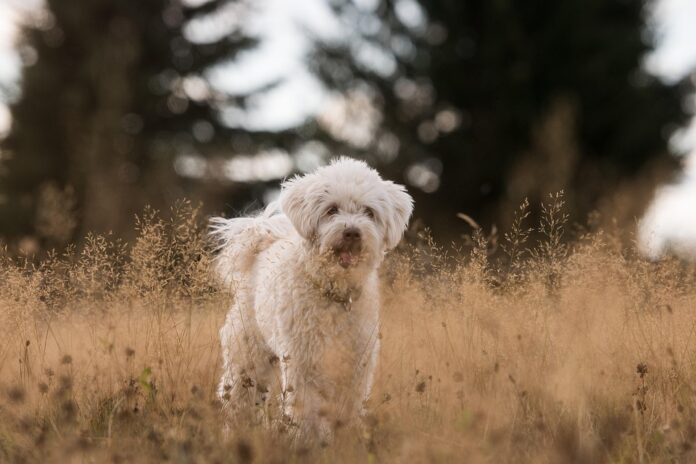
Dogs are often referred to as man’s best friend, but they can sometimes display aggressive behaviors that concern pet owners. Recognizing and rectifying such aggression is crucial for the safety of both the dog and the people around it. In this article, we will explore the types of aggressive behaviors, their potential causes, and effective strategies for modification.
Understanding Canine Aggression
Before delving into recognition and rectification methods, it’s essential to understand what constitutes aggressive behavior in dogs. Aggression can manifest in various ways, including growling, barking, snapping, biting, and other threatening behaviors. It is often a dog’s way of communicating discomfort, fear, or a need to establish dominance.
Types of Aggression
Fear Aggression: Dogs that are fearful may lash out as a defense mechanism. This is common in dogs that have experienced trauma or insufficient socialization.
Territorial Aggression: Dogs can be protective of their territory, barking or growling at intruders or unfamiliar people and animals.
Possessive Aggression: Also known as resource guarding, this occurs when a dog feels threatened over food, toys, or other possessions.
Redirected Aggression: This type arises when a dog is agitated by something but can’t access it (like another dog). The dog may instead redirect its frustration toward a nearby person or animal.
Protective Aggression: This occurs when a dog feels the need to protect its owner or people in its pack from perceived threats.
Petting Aggression: Some dogs may react aggressively when they are being petted or touched, particularly if they have had unpleasant experiences with humans in the past.
Recognizing Aggressive Behavior
To effectively manage and rectify aggression, it’s essential first to recognize the warning signs. Here are some behaviors to watch for:
Body Language: Dogs exhibit specific postures when they feel threatened. A stiff body, raised hackles, and a wagging tail can signal agitation, while a lowered tail and flattened ears indicate submission or fear.
Facial Expressions: A dog showing aggression may bare its teeth, snarl, or growl. Watch for intense staring or a furrowed brow linked with a tense jaw.
Vocalizations: Growling is a clear sign of discomfort or aggression. Barking can also be aggressive but varies in tone and frequency.
Physical Actions: Charging, lunging, or snapping are more overt signs of aggression that require immediate attention.
Withdrawal: Some dogs may display signs of aggression by first trying to retreat or hide before resorting to aggressive behavior.
Causes of Aggression
Understanding the underlying causes of a dog’s aggression is critical for effective management. Common causes include:
Lack of Socialization: Dogs not exposed to various people, environments, and experiences during their formative months may develop aggression as they grow older.
Fear or Anxiety: A fearful dog may exhibit aggression as a defense mechanism, making it crucial to identify and alleviate these fears.
Pain or Illness: Sometimes aggression results from pain or medical conditions. If a previously friendly dog begins to act aggressively, consult a veterinarian to rule out health issues.
Genetics: Certain breeds may be predisposed to aggressive behaviors, though this is not definitive. Individual temperament and upbringing play critical roles.
Owner Behavior: Inconsistent discipline, rough handling, or failure to establish boundaries can contribute to aggressive behavior in dogs.
Rectifying Aggressive Behavior
Once a dog’s aggressive behavior is recognized, it’s time to focus on rectification strategies.
1. Seek Professional Guidance
Consulting a certified dog trainer or a veterinary behaviorist is crucial. They can assess your dog’s behavior and suggest tailored strategies for modification. Avoid DIY solutions unless you’re experienced, as mishandling aggression can lead to worsening behavior.
2. Identify Triggers
Observe your dog to understand what situations provoke aggressive responses. Keeping a journal can help you identify patterns associated with specific triggers (other dogs, certain types of people, loud noises, etc.).
3. Desensitization and Counter-Conditioning
This technique involves gradually exposing your dog to the triggering situation at a distance where it feels safe, rewarding calm behavior with treats or praise. Gradually decrease the distance over time, reinforcing positive responses.
4. Training Commands
Teaching basic obedience commands (like ‘sit’, ‘stay’, ‘leave it’) can help create structure and trust. These commands can redirect your dog’s focus away from triggers and toward you.
5. Use of Barriers and Leashes
In situations where your dog may encounter known triggers, use leashes, muzzle if necessary, or gates to prevent aggressive encounters. These barriers can also give your dog a sense of security, helping to manage anxiety levels.
6. Positive Reinforcement
Encourage non-aggressive behavior by rewarding your dog when it remains calm in situations that previously triggered aggression. Positive reinforcement is more effective than punishment in modifying behavior.
7. Regular Exercise and Mental Stimulation
Regular exercise and mental stimulation can alleviate energy levels in dogs, minimizing aggressive behavior. Activities like fetch, agility training, and puzzle toys can keep dogs engaged and less likely to exhibit aggression due to boredom or pent-up energy.
8. Medication
In some cases, medication may be necessary to help manage aggression, particularly if the behavior is rooted in anxiety or fear. Consult a veterinarian to assess the need for medication.
FAQs
Q1: Can any dog be trained out of aggressive behavior?
A1: While many dogs can learn to manage their aggressive tendencies through training and behavior modification, some may require professional intervention. Individual temperament and the severity of the aggression are determinants.
Q2: What should I do if my dog bites someone?
A2: If your dog bites someone, it’s crucial to seek veterinary attention for the bitten person and ensure your dog’s health is assessed. Legal implications may also arise, so documenting the incident and consulting with authorities or an attorney may be necessary.
Q3: How long does it take to rectify aggressive behavior?
A3: The time it takes to rectify aggressive behavior varies by dog. Some may respond quickly to training, while others may take months or years to show improvement.
Q4: Should I punish my dog for aggression?
A4: Punishment is generally counterproductive and can worsen aggressive behavior. Instead, focus on positive reinforcement and modifying the underlying causes of aggression.
Q5: Are certain breeds more aggressive than others?
A5: While some breeds may have a reputation for aggressive behavior, aggression primarily stems from individual temperament, environment, and upbringing. Socialization and training are essential for all dogs.
Conclusion
Addressing aggressive behavior in dogs requires careful observation and tailored training strategies. By understanding the root causes and implementing the right techniques, pet owners can foster a safe and enjoyable environment for their beloved companions. Remember, early intervention and professional help can make all the difference in transforming an aggressive dog into a well-behaved family member.

