

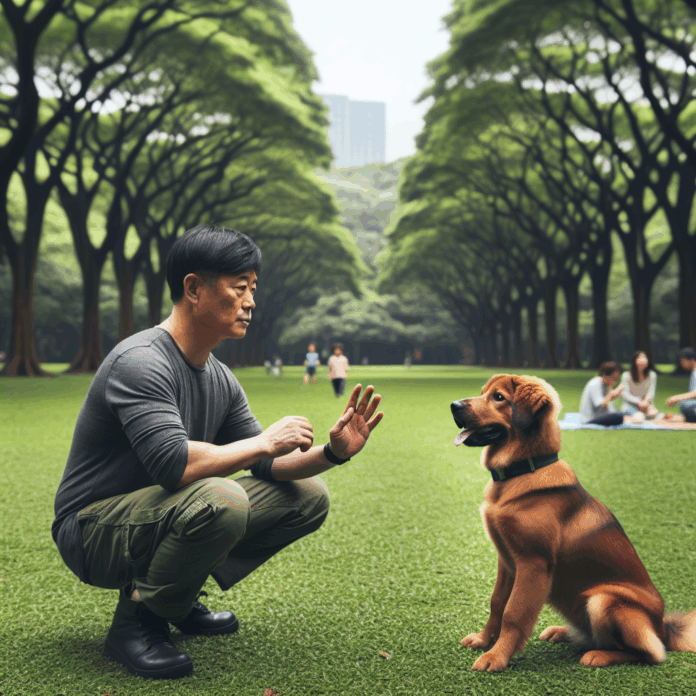
Barking Up the Right Tree: Top Strategies for Dog Socialization
Dog socialization is a critical aspect of raising a well-adjusted canine companion. A well-socialized dog is one that interacts positively with other dogs, humans, and the environment. Proper socialization can prevent behavioral issues such as aggression, anxiety, and fearfulness, making it essential for pet owners to take proactive steps to help their canine friends thrive in various social settings. In this article, we will explore effective strategies for dog socialization, ensuring your furry friend is barking up the right tree.
Understanding Dog Socialization
Before diving into strategies, it’s essential to understand what socialization entails. Socialization refers to the process by which dogs learn to engage appropriately with their environment, other animals, and people. The critical period for socialization occurs in the early weeks of a puppy’s life, typically between 3 to 14 weeks. However, socialization continues to be important throughout a dog’s life.
Importance of Dog Socialization
Behavioral Development: Proper socialization helps dogs develop desirable behaviors. A well-socialized dog is less likely to react negatively in unfamiliar situations.
Reduction of Fear and Anxiety: Exposure to various environments, sounds, and people helps minimize fear and anxiety, preventing issues like separation anxiety or aggression.
Enhanced Well-Being: Socialization promotes overall well-being by allowing dogs to experience a variety of stimuli, which can enhance their quality of life.
- Stronger Bond: Socialization experiences can strengthen the bond between a dog and its owner. Engaging in activities together fosters trust and understanding.
Top Strategies for Dog Socialization
1. Early Exposure
Starting socialization early is key. For puppies, introduce them to diverse environments, people, and other animals in a controlled manner. It’s vital to ensure these experiences are positive to create a foundation for confident behavior. Puppies should be allowed to explore different surfaces, scents, and sounds to develop curiosity and adaptability.
2. Positive Reinforcement Training
Utilize positive reinforcement to encourage desired behaviors during socialization. Treats, praise, and affections can reward dogs for appropriately greeting new people or calmly interacting with other dogs. This approach fosters a positive association with new experiences.
3. Puppy Socialization Classes
Enroll your puppy in socialization classes specifically designed for young dogs. These classes provide a safe environment for pups to play and interact with their peers under the supervision of a professional. The structured setting helps reduce the chances of negative experiences.
4. Controlled Introductions to Other Dogs
When introducing your dog to unfamiliar dogs, do so in controlled environments. Start with leashed introductions in neutral spaces to prevent territorial behaviors. Observe both dogs’ body language to ensure they are comfortable. Gradually increase their interactions as they become more familiar with each other.
5. Diverse Environments
Expose your dog to various environments, including parks, busy streets, and quiet neighborhoods. Let them experience different sights, sounds, and people. Gradually increasing the level of distractions will help your dog feel more comfortable in varied settings.
6. Structured Outings
Take your dog on structured outings where they can engage in activities like walking through pet-friendly stores, visiting dog parks, or joining dog-friendly events. Consistency in these outings helps your dog understand how to behave in public spaces.
7. Engaging with Different People
Introduce your dog to a variety of people, including men, women, children, and individuals of different ethnic backgrounds. This exposure helps break down stereotypes and fosters tolerance and friendly behavior, reducing the likelihood of fear or aggression towards unfamiliar individuals.
8. Gradual Desensitization
If your dog shows fear or anxiety towards specific stimuli (like loud noises or certain objects), practice gradual desensitization. Introduce them to the stimulus in a controlled manner and at a distance they can handle. Over time, gradually decrease the distance while rewarding calm behavior.
9. Vehicle Experience
Accustom your dog to car rides early on. Allowing them to experience being in a vehicle can help decrease anxiety and facilitate outings to new places. Start with short trips, gradually increasing the duration.
10. Play Dates
Arrange play dates with other well-socialized dogs. This provides an opportunity for positive interaction and play while also allowing you to observe their behavior. Ensure the other dog is friendly and has compatible energy levels to prevent any negative experiences.
Common Challenges in Dog Socialization
While the above strategies can yield great results, challenges may arise. Some dogs may be inherently more timid or aggressive, making socialization tougher. Here are a few common challenges and solutions:
Fearfulness: If your dog is fearful, be patient and avoid forcing interactions. Gradually introduce them to new experiences and focus on creating positive associations.
Aggression: For aggressive dogs, consult with a professional trainer or behaviorist. Addressing aggression issues is critical for safe socialization.
- Overstimulation: Some dogs may become overstimulated in busy environments. Recognize signs of stress, and take breaks as needed to help them relax.
Conclusion
Dog socialization is a lifelong process that begins during the critical puppyhood stage but extends throughout a dog’s life. By employing various strategies—like early exposure, positive reinforcement, and structured outings—owners can help their pets navigate the world with confidence and ease. A well-socialized dog is not only happier but also enhances the quality of life for both the dog and its owner.
FAQs
1. When is the best time to start socializing my puppy?
The ideal time to start socializing your puppy is between 3 to 14 weeks of age, as this is the critical socialization period. However, socialization can continue throughout your dog’s life.
2. Can adult dogs be socialized?
Yes! Adult dogs can still be socialized, though it may take more time and patience. Gradual exposure to new experiences and positive reinforcement are essential.
3. What if my dog shows aggression during socialization?
If your dog displays aggression, consult with a professional dog trainer or behaviorist. Early intervention is crucial in addressing aggressive behavior.
4. How often should I socialize my dog?
Regular socialization is essential. Aim for daily or weekly outings to expose your dog to different environments and experiences.
5. Can too much socialization be harmful?
Over-socialization can lead to overstimulation and stress. Pay attention to your dog’s comfort level and provide breaks when necessary.
By following these strategies and remaining vigilant about your dog’s social needs, you can foster a harmonious and fulfilling relationship with your four-legged friend.

