

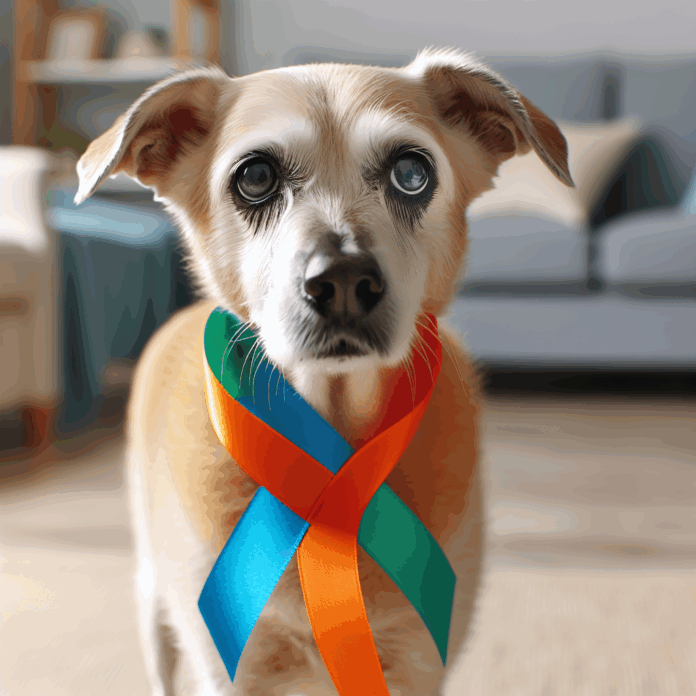
Dogs are our loyal companions, but just like humans, they can face health challenges, including cancer. Early detection of cancer can significantly improve outcomes, yet many pet owners may not recognize the symptoms until the disease has progressed. This article aims to educate dog owners about the early signs of cancer in dogs and emphasizes the importance of regular veterinary check-ups.
Understanding Canine Cancer
Cancer in dogs can manifest in numerous ways, from tumors and blood disorders to organ diseases. According to the American Veterinary Medical Association, about one in four dogs will develop cancer at some point in their lives. The type and severity of cancer can vary based on various factors, including genetics, age, and environment.
Just as in humans, early detection is vital for effective treatment. The sooner cancer is diagnosed, the better the chances of successful intervention. Recognizing symptoms early can lead to life-saving treatments.
Common Early Symptoms of Canine Cancer
1. Unexplained Weight Loss
One of the first signs that something may be wrong is unexplained weight loss. If your dog is shedding pounds despite a normal appetite, it could indicate a serious health issue. Weight loss may occur due to factors such as loss of appetite, increased metabolic demands, or even the cancer itself affecting the body’s ability to absorb nutrients.
2. Change in Appetite
Conversely, an increase or decrease in appetite can be a red flag. Dogs may refuse to eat (anorexia) or eat excessively due to various reasons, including discomfort, pain, or stress. Be vigilant about changes in your dog’s eating habits, as these can signal underlying issues.
3. Lethargy and Decreased Activity
While dogs can have lazy days, persistent lethargy or decreased interest in activities they typically enjoy can be concerning. A lack of energy, reluctance to exercise, or constant sleepiness might suggest a health problem that requires veterinary attention.
4. Uncontrollable Bleeding or Discharge
Any signs of bleeding—whether from the nose, mouth, or other areas—or unusual discharges are significant symptoms to watch for. This can include blood in urine or feces, which could indicate more severe internal issues such as tumors affecting the organs.
5. Persistent Cough or Difficulty Breathing
A persistent cough or any difficulty in breathing should never be ignored. These symptoms may result from respiratory issues, but they can also indicate tumors in the lungs or other organs. If your dog begins to cough frequently or exhibits breathing difficulties, it’s essential to consult your veterinarian.
6. Swelling or Lumps
The appearance of lumps or bumps on your dog’s body is a common early sign of cancer. While not all lumps are malignant (some might be benign lipomas), any new growth should be examined by a veterinarian, especially if lumps continue to grow rapidly or change in shape or color.
7. Behavior Changes
Changes in behavior can signal discomfort or pain. A dog that suddenly becomes irritable, aggressive, or withdrawn may be trying to tell you that something is wrong. Monitoring your dog’s behavior can provide valuable insights into their health.
8. Difficulty with Urination or Defecation
Straining while urinating or defecating, along with any noticeable changes in bowel habits, can be signifiers of cancer, especially if accompanied by pain or discomfort. Conditions affecting the bladder or intestines should be evaluated immediately.
9. Bad Breath or Oral Issues
Persistent bad breath (halitosis) could indicate oral tumors or periodontal disease. Regular dental check-ups can help prevent oral cancers and manage any other dental issues that may arise.
Importance of Regular Veterinary Checkups
Regular veterinary visits play a crucial role in early detection and prevention of health issues in dogs. Annual check-ups can help establish a baseline of your dog’s health. During these visits, veterinarians can conduct tests and screenings that may catch early signs of cancer before symptoms are apparent.
Routine Screenings
Routine blood tests can reveal underlying conditions, while physical examinations can identify lumps or unusual body conditions. It’s important to communicate any behavioral changes or concerns with your vet during these visits.
Vaccinations and Preventative Care
Preventative measures, such as vaccinations and parasite control, can also contribute to reducing the risks associated with some cancers. Discussing lifestyle factors such as diet and exercise with your vet can help create an overall health plan for your dog.
Conclusion
In summary, identifying early cancer symptoms in dogs is crucial for improving their chances of a positive outcome. Familiarizing yourself with the signs, maintaining regular veterinary appointments, and listening to your dog’s behavioral changes will empower you to act swiftly if something seems amiss.
Remember, while these symptoms can indicate various health issues, only a veterinarian can provide an accurate diagnosis. As responsible pet owners, advocating for our dogs’ health is a vital part of our love and commitment to them.
FAQs
1. What should I do if my dog shows symptoms of cancer?
If you notice any of the early symptoms mentioned, contact your veterinarian right away. They can perform the appropriate tests and give you a diagnosis.
2. Can dogs get cancer at any age?
Yes, dogs of any age can develop cancer; however, older dogs tend to be more prone to it. Breeds also play a role in the likelihood of developing certain types of cancer.
3. Are there specific dog breeds that are more susceptible to cancer?
Certain breeds are genetically predisposed to various cancers. For example, Golden Retrievers, Boxers, and Bulldogs have higher incidences of cancer. Research your breed for specific vulnerabilities.
4. Can diet and lifestyle impact cancer risk in dogs?
Yes, a balanced diet and regular exercise can contribute to overall health, potentially reducing the risk of certain types of cancers. Consult your vet for personalized dietary recommendations.
5. How can I prevent cancer in my dog?
While not all cancers can be prevented, maintaining a healthy lifestyle, regular veterinary check-ups, early vaccinations, and keeping your dog mentally and physically active can help reduce the risks.

