

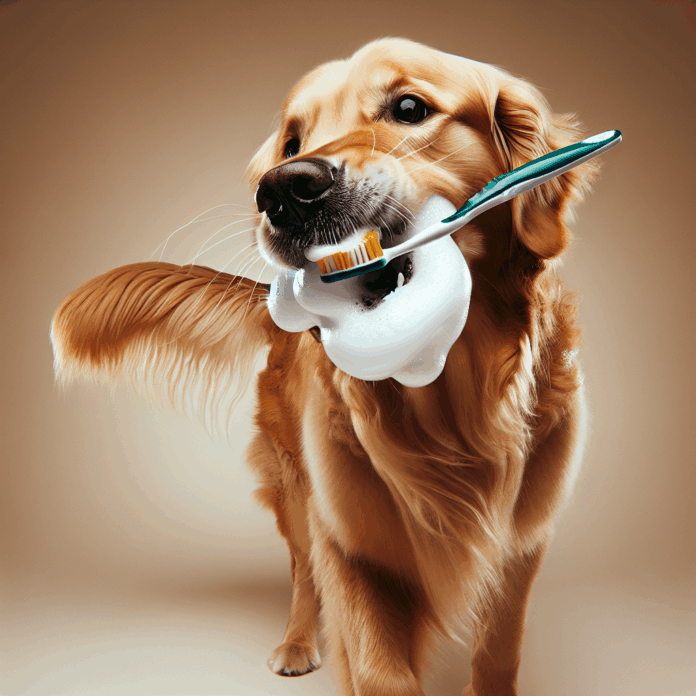
As a pet parent, ensuring the health and well-being of your furry friend is a top priority—and that includes maintaining their dental hygiene. Just like humans, dogs can suffer from dental diseases if their teeth are not properly cared for. Regular brushing can prevent plaque buildup, gum disease, and bad breath. However, many dog owners are unsure how to properly brush their dog’s teeth or why it’s essential. This comprehensive guide offers everything you need to know about brushing your dog’s teeth, including tips, techniques, and answers to frequently asked questions.
Why Brush Your Dog’s Teeth?
The American Veterinary Medical Association (AVMA) recommends that pet owners brush their dogs’ teeth regularly. Here are some of the primary reasons:
Prevent Dental Disease: Periodontal disease is a common ailment affecting dogs. It starts with plaque accumulation and can lead to serious health problems if left untreated.
Reduce Bad Breath: Regular brushing can significantly reduce halitosis (bad breath), making your pup more pleasant to be around.
Avoid Pain and Discomfort: Just as toothaches can be incredibly painful for humans, dogs can also experience discomfort from dental problems. Preventing these issues keeps your pet happy and healthy.
Save Money in the Long Run: Preventative care, including regular brushing, can save you significant veterinary costs associated with dental treatments or surgeries.
- Promote Overall Health: Oral health is linked to overall health. Bacteria from dental diseases can enter the bloodstream and affect vital organs, including the heart and kidneys.
Getting Started: What You Need
Before diving into the brushing process, gather the necessary supplies:
Dog Toothbrush: Choose a toothbrush designed specifically for dogs. They are typically softer and have a shape that makes brushing easier.
Dog Toothpaste: Never use human toothpaste, as it contains xylitol, which is toxic to dogs. Instead, opt for a veterinarian-approved dog toothpaste, which comes in flavors like chicken or beef that your dog will love.
Dental Chews and Toys: While brushing is crucial, you can also complement your efforts with dental chews and toys that promote oral health.
- Comfortable Space: Make sure to brush your dog’s teeth in a comfortable, quiet space where they feel safe.
Step-by-Step Guide to Brushing Your Dog’s Teeth
Getting Your Dog Comfortable: Before you begin brushing, allow your dog to sniff and explore the toothbrush and toothpaste. This will help them become familiar with the tools and ease any anxiety.
Desensitization: Start by gently rubbing your dog’s gums with your finger. Gradually introduce the toothbrush into the routine. Ensure your dog is accustomed to having their mouth touched.
Introduce the Toothpaste: Let your dog taste a small amount of the dog toothpaste. This will make them more willing to accept it during brushing.
Start Brushing:
- Use a circular motion to brush the outer surfaces of the teeth, focusing on the gum line.
- Brush at a 45-degree angle to ensure you’re tackling the areas where plaque builds up the most.
- Don’t forget the back teeth, as they often accumulate tartar too.
Duration of Brushing: Aim for about two minutes of brushing time; however, don’t worry if your dog cannot sit still for that long initially. Gradually increase the time as they become more comfortable.
Reward Time: After brushing, reward your dog with praise or a small treat. This reinforces good behavior and makes future sessions easier.
- Frequency of Brushing: Ideally, you should brush your pup’s teeth daily. However, if that’s not feasible, aiming for at least 2-3 times a week is recommended.
Additional Tips for Successful Brushing
Be Patient: Some dogs may take longer to become accustomed to tooth brushing. Patience is crucial; don’t rush the process.
Use Positive Reinforcement: Always make the experience positive. This will help your dog associate tooth brushing with rewards rather than fear.
Set a Routine: Incorporate brushing into your daily routine, such as after a walk or before bed, to establish familiarity.
- Visit the Veterinarian: Regular check-ups will ensure that your dog’s teeth and gums are healthy. Discuss any dental concerns with your vet.
Alternative Dental Care Options
If your dog is resistant to tooth brushing, there are alternative options available:
Dental Wipes: These are textured wipes specifically designed to help remove plaque from your dog’s teeth.
Water Additives: These can be added to your dog’s drinking water to help reduce plaque buildup.
Dental Treats: Many commercial dental treats are available that help clean teeth and freshen breath.
- Chewing Bones: They can help scrape away plaque, but make sure they’re appropriate for your dog’s size and chewing strength.
FAQs About Brushing Your Dog’s Teeth
1. How often should I brush my dog’s teeth?
Ideally, you should brush your dog’s teeth daily. However, if daily brushing is difficult, aim for at least 2-3 times per week.
2. What is the best time to brush my dog’s teeth?
You can choose any time that works best for you and your dog. Many pet owners find mornings or just before bedtime to be effective times.
3. Can I use human toothpaste on my dog?
No, human toothpaste can be toxic to dogs. Always use toothpaste specifically designed for dogs.
4. My dog hates having their teeth brushed. What should I do?
Start slowly and desensitize them to the process. Use plenty of positive reinforcement and try dental wipes or dental treats if brushing proves too difficult.
5. What signs should I look for that indicate dental problems in my dog?
Keep an eye out for bad breath, difficulty eating, excessive drooling, swollen gums, or loose teeth. If you notice any of these signs, consult your veterinarian.
6. Can dental problems affect my dog’s overall health?
Yes, dental issues can lead to serious health problems as bacteria from the mouth can enter the bloodstream and affect organs like the heart and kidneys.
7. Are there specific breeds more prone to dental problems?
Small breeds tend to be more susceptible to dental health issues because of their smaller mouths, which can lead to overcrowding and plaque accumulation.
Conclusion
Brushing your dog’s teeth may seem like a daunting task at first, but with patience, proper tools, and a consistent routine, it can become a simple and beneficial part of your dog care regimen. By prioritizing dental hygiene, you’re not only helping to extend your pet’s life but also enhancing their overall quality of life. Remember, a happy dog is a healthy dog, and a big part of that is maintaining those pearly whites!

