

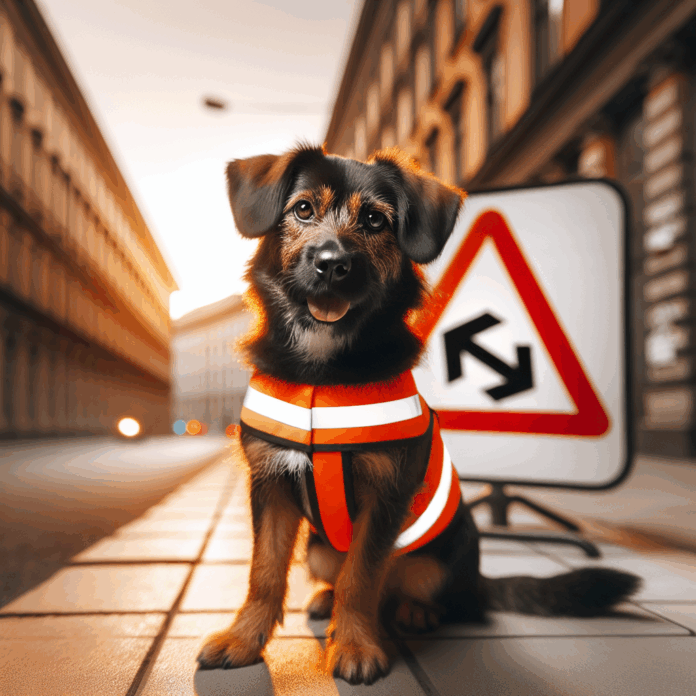
As a pet owner, ensuring the safety and well-being of your furry friends is a top priority. Pets are curious creatures by nature, often exploring their surroundings in ways that can lead to accidents. To keep them safe, implementing preventive measures around the house is essential. Here are the top ten pet safety tips every owner should know to create a secure environment for their beloved companions.
1. Secure Hazardous Substances
Household items such as cleaning supplies, medications, and certain foods can be toxic to pets. Store these substances in locked cabinets or high shelves out of reach. Familiarize yourself with common toxins, including:
- Chocolate: Can lead to vomiting, diarrhea, and even death.
- Grapes and raisins: Can cause kidney failure in pets.
- Xylitol: A sweetener found in many sugar-free products that can lead to liver failure in dogs.
Always dispose of any harmful substances properly and keep emergency contact information for your veterinarian or local animal poison control center handy.
2. Create a Pet-Friendly Space
Designate areas in your home as pet-friendly zones. This may include specific rooms or corners with comfortable bedding, toys, and food. Ensure these areas are safe and free of clutter that pets could chew or swallow. Items like small decorations, wires, and rubber bands should be out of reach.
3. Install Pet Gates
If parts of your home might be unsafe, consider installing pet gates. This is especially relevant for areas like staircases, kitchens, or rooms where there are items that may pose a danger to your pet. Gates provide a physical barrier, ensuring your pets remain in safe zones when you can’t supervise them closely.
4. Manage Electrical Cords
Pets love to chew on things, including electrical cords. To prevent potential electrocution, use cord management products such as cord covers or clips to keep wires organized and out of reach. Consider using wireless devices to reduce the number of cords in your pet’s space.
5. Hide Small Items
Small items are a choking hazard for pets, especially puppies and kittens who are naturally inclined to explore with their mouths. Keep coins, batteries, jewelry, and other small objects stored away. Regularly check your home for items that might have rolled under furniture or into unexpected places.
6. Choose Pet-Safe Plants
Many common houseplants are toxic to pets. Before bringing a new plant into your home, research its safety. Safe options include spider plants, Boston ferns, and bamboo palm trees. Remove any toxic plants you may already have, such as:
- Lilies: Extremely toxic to cats.
- Pothos: Can cause oral irritation and swelling in pets.
- Sago palm: Highly toxic, potentially causing liver failure.
Consult your veterinarian for advice on creating a pet-safe garden indoors and outdoors.
7. Secure Windows and Balconies
Ensure that windows are securely screened to prevent pets from falling or escaping. Consider installing window locks or child safety latches for added security. Outdoors, look to secure balconies with netting or barriers to prevent your pets from falling. Always supervise outdoor activity, especially during the initial introduction to new spaces.
8. Provide Safe Toys
Not all toys are safe for pets. Choose toys that are size-appropriate and made from durable materials. Avoid items with small parts that can be chewed off and swallowed. Regularly inspect toys for wear and tear, discarding any that seem damaged.
Opt for toys that are designed for your pet’s species and size. For example, choose chew toys that can withstand a dog’s powerful jaws or cat trees with sturdy platforms for your feline friend to climb and play on.
9. Use Baby Monitors
If you have a puppy or a newly adopted pet, consider the use of baby monitors to keep an eye on their behavior when you are not in the same room. This can help you detect potential issues, such as destructive chewing or accidents. Monitoring allows for timely intervention, ensuring your pet remains safe when unsupervised.
10. Regular Veterinary Check-Ups
Routine veterinary check-ups are vital for maintaining your pet’s health and safety. Regular vaccinations, flea treatments, and health screenings contribute to detecting and preventing health issues. Don’t hesitate to consult your vet for pet-proofing advice tailored to your specific pet’s needs.
FAQs
Q1: What characteristics should I look for in pet-safe cleaning products?
A1: Opt for biodegradable and non-toxic cleaning supplies. Look for pet-safe labels and those free from harsh chemicals like ammonia and bleach. You can also use homemade solutions like vinegar and baking soda for safer cleaning alternatives.
Q2: How can I tell if a plant is toxic to my pet?
A2: Research plants before bringing them home. Websites and reference guides available from veterinarians or local animal control can provide lists of toxic and safe plants. Remember to regularly check up-to-date sources as classifications can change.
Q3: How can I pet-proof my outdoor space?
A3: Ensure fencing is secure and tall enough to prevent escaping. Remove any harmful substances like fertilizers and pesticides from the area. Consider creating designated play zones with safe toys and shaded areas.
Q4: What should I do if I suspect my pet has ingested something harmful?
A4: Immediately contact your veterinarian or an animal poison control center. Be ready to provide details about what your pet may have ingested, their size, and any symptoms you observe.
Q5: Can I train my pets to avoid dangerous areas?
A5: Yes, training your pets can help them learn to avoid hazardous areas. Use positive reinforcement techniques to reward good behavior. Consistency is key; actively supervise your pets until they develop good habits.
Conclusion
Creating a safe home environment for pets involves a combination of awareness, preparation, and preventive measures. By taking these top ten safety tips into account, you can significantly reduce the risk of accidents and keep your companions happy and healthy. Ultimately, a little effort can go a long way in enhancing your pet’s quality of life while ensuring they remain safe at home. As a loving owner, your vigilance fosters a nurturing environment where your pets can thrive.

