

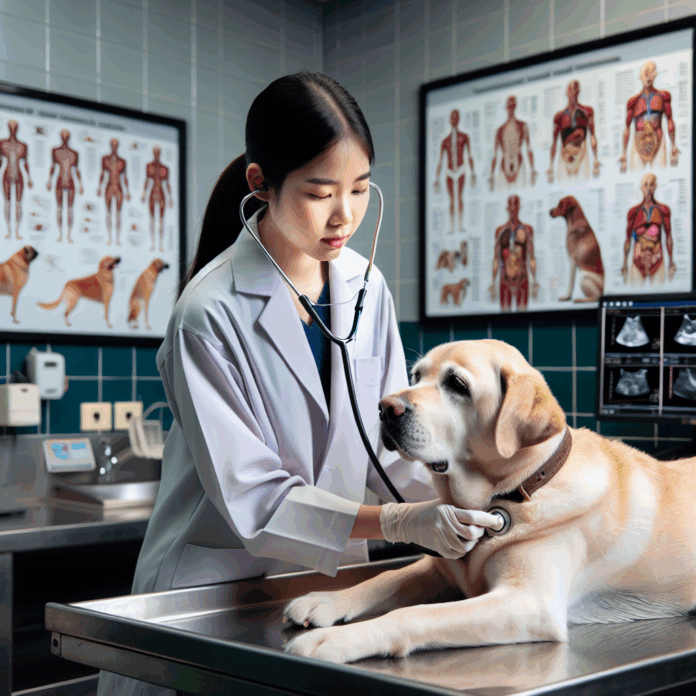
Understanding Allergies in Dogs
Allergies are a common problem in dogs, manifesting in various ways, most notably through skin issues. Just like humans, dogs can suffer from allergies to certain foods, environmental factors, and even insects. Understanding how to identify and treat these allergies is vital for maintaining your dog’s health and comfort.
Common Causes of Allergies in Dogs
Environmental Allergens: Pollens, molds, dust mites, and weeds can trigger allergic reactions in dogs. Seasonal allergies often worsen during specific times of the year.
Food Allergies: Some dogs develop allergies to certain ingredients in their diets, such as beef, chicken, dairy, or grains. Symptoms frequently include itching, gastrointestinal issues, or ear infections.
Flea Allergies: A flea-allergic dermatitis occurs when a dog is overly sensitive to flea saliva. Even minimal exposure to fleas can lead to severe itching and inflammation.
- Contact Allergies: Some dogs react to substances they come into contact with, including certain soaps, shampoos, or fabrics.
Identifying Skin Issues Related to Allergies
Recognizing the signs of skin allergies can be the first step in securing effective treatment. The symptoms vary but generally include:
Itching and Scratching: Persistent scratching, biting, or licking of certain body parts, particularly the paws, ears, and belly.
Red or Inflamed Skin: Allergic reactions often cause redness, swelling, or hot spots (localized irritation).
Rashes: Dogs may develop hives or other rash-like symptoms that can vary in severity.
Hair Loss: Chronic itching can result in bald patches in areas where the dog has scratched or bitten.
Odor: A foul smell from the skin may indicate an infection secondary to allergies.
- Ear Problems: Allergies often lead to ear infections, which can be noticed by frequent scratching at the ears or shaking of the head.
Diagnosis: When to See the Vet
If your dog displays any of the above symptoms, consulting a veterinarian is essential. A thorough examination coupled with a detailed history of your dog’s behavior and symptoms will help the vet make an accurate diagnosis. Diagnostic tools may include:
Skin Tests: These help identify specific allergens affecting your dog.
Blood Tests: These tests can reveal the presence of antibodies in response to allergens.
- Elimination Diet: If a food allergy is suspected, your vet may suggest an elimination diet to identify the offending ingredient.
Treatment Options for Allergies
Once the cause of the allergy is identified, treatment options can vary:
Medication:
- Antihistamines: These can help reduce itching and inflammation.
- Steroids: In severe cases, corticosteroids may be prescribed for short-term relief.
Topical Treatments:
- Medicated shampoos: These can soothe irritated skin and remove allergens.
- Ointments: Anti-inflammatory ointments may reduce itching and promote healing.
Allergy Shots: Immunotherapy can help desensitize your dog to allergens over time.
Diet Management: Switching to a hypoallergenic diet can alleviate food-related allergies.
- Flea Control: To manage flea allergies, regular flea prevention is crucial.
Home Remedies for Skin Issues
While professional treatment is essential, some home remedies may alleviate mild symptoms:
Oatmeal Baths: Colloidal oatmeal can soothe itchy skin.
Coconut Oil: This natural remedy can hydrate skin and reduce infections.
- Apple Cider Vinegar: Diluted with water, it may help reduce itching and freshness.
Always consult your veterinarian before trying home remedies, as they may not be suitable for all dogs.
Prevention of Allergies in Dogs
Preventive measures can significantly reduce the chances of allergic reactions:
Regular Grooming: Bathing your dog regularly with hypoallergenic shampoo can help remove allergens from the coat.
Controlled Exposure: Limit your dog’s exposure to known allergens, such as certain plants or heavy pollen areas.
Healthy Diet: Providing a balanced, hypoallergenic diet can help prevent food allergies.
Flea Prevention: Regularly using flea preventative is critical, especially in flea season.
- Hydration: Ensuring your dog is well-hydrated can help maintain healthy skin.
Conclusion
Allergies may be one of the most challenging aspects of dog ownership, but identifying and treating skin issues effectively can lead to a happier, healthier pet. Regular veterinary visits and a keen eye for changes in your dog’s skin or overall health will go a long way in managing allergies.
FAQs
Q1: Can food allergies develop later in a dog’s life?
Yes, food allergies can develop at any age, even in dogs that have eaten the same diet for years.
Q2: Are certain breeds more prone to allergies?
Certain breeds, such as Bulldogs, Terriers, and Retrievers, are more commonly affected by allergies, although any breed can develop them.
Q3: Is it safe to use human medications for my dog’s allergies?
Always consult your veterinarian before administering any human medications to your dog, as many can be toxic or inappropriate.
Q4: How long does it take to identify the cause of my dog’s allergies?
Identifying the cause can vary; some dogs may require several vet visits and testing over a few weeks.
Q5: Can allergies worsen with age?
Yes, as dogs age, their immune systems can change, leading to an increase or decrease in allergy symptoms.
Q6: Can I treat my dog’s allergies at home?
While some home remedies may offer relief, it’s crucial to consult a veterinarian for an accurate diagnosis and appropriate treatment plan.

