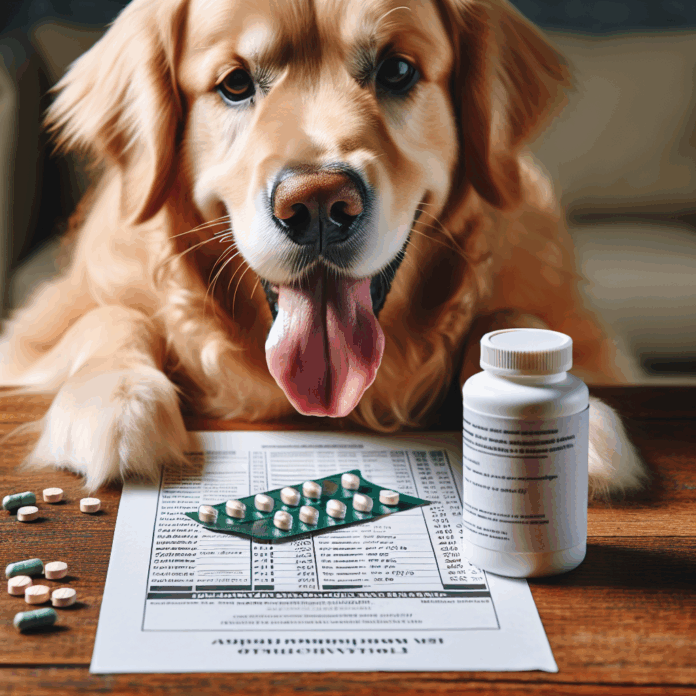
If you’re a dog owner, you know how challenging it can be to administer medication. Dogs often develop a resistance to pills, making this everyday task a struggle. Fortunately, there are various strategies you can employ to make this process smoother for both you and your furry friend. In this article, we will explore ten effective tricks to help you give your dog a pill with ease, followed by a FAQs section to answer common questions.
1. Select the Right Time
Timing is crucial when giving your dog a pill. Choose a moment when your pet is calm and relaxed, but not overly excited. If your dog has just come in from a vigorous play session, they may be too energized to cooperate. Aim for a quieter time of day, perhaps right before a meal or after a brief walk.
2. Use Pill Pockets
Pill pockets are special treats designed with a hole for hiding pills. Dogs are more likely to take their medication if it’s disguised in a tasty morsel. They come in a variety of flavors, so you can choose one that your dog really enjoys. Just pop the pill into the pocket, mold it around the medication, and offer it to your dog as a treat.
3. Mask the Flavor with Food
If your dog is picky or if pill pockets aren’t available, try disguising the medication in a small amount of soft food. Peanut butter, cheese, or canned dog food can effectively mask the taste of the pill. Be sure to confirm that whatever food you choose is safe for dogs, as some human foods can be harmful.
4. Use a Pill Dispenser
For dogs that refuse to take pills no matter how they’re hidden, a pill dispenser can be a lifesaver. These devices allow you to place the pill directly into your dog’s throat without putting your fingers at risk of being bitten. Position the dispenser at the back of your dog’s mouth, and gently press the plunger to release the pill.
5. Manual Administration Technique
If you feel confident, you can give your dog a pill by hand. Here’s how to do it:
- Hold the pill between your thumb and index finger.
- With your other hand, gently open your dog’s mouth by pressing the top of their nose.
- Place the pill as far back on their tongue as possible.
- Immediately close their mouth and encourage them to swallow by stroking their throat or blowing gently into their nose.
6. Create a Positive Association
Another effective trick is to create a positive experience around taking medication. After successfully giving your dog a pill, reward them with praise, treats, or playtime. This can help your dog associate the act of taking medication with something enjoyable.
7. Consider Liquid Medication
If your dog is particularly pill-averse, ask your veterinarian if the medication is available in liquid form. Liquids can often be easier to administer and can be mixed with food or given through a syringe. Always follow your vet’s recommendations on how to administer liquid medication safely.
8. Break It Down
If the pill is large and difficult to swallow, check with your vet whether it can be split. Many dogs find smaller pieces easier to manage. You can also crush certain pills and mix them with food, but always confirm this with your veterinarian, as some medications lose effectiveness when crushed.
9. Distractions are Key
Sometimes, simply distracting your dog during the pill-giving process can make it easier. Engage them in a game or have someone else keep them entertained while you administer the medication. This way, they might not even notice what’s happening!
10. Stay Calm and Patient
Your demeanor can significantly affect your dog’s attitude toward taking medication. If you’re anxious or frustrated, your dog may pick up on those feelings, inadvertently making them more resistant. Stay relaxed and patient; your dog is likely to respond better if you maintain a calm presence.
FAQs
1. What should I do if my dog refuses to take the pill?
If your dog refuses to take the pill, try some of the tricks listed above. If they still won’t accept it, consult your veterinarian. They may offer alternatives or suggestions tailored to your dog’s specific needs.
2. Is it safe to crush my dog’s pills?
Not all medications can be crushed, as some may lose efficacy or cause side effects when altered. Always consult your veterinarian before crushing any pills.
3. Can I use human food to disguise my dog’s medication?
Many human foods are safe for dogs, such as peanut butter and certain cheeses. However, some foods can be harmful (e.g., chocolate, grapes, onions). Always check with your vet before using human food as a disguise.
4. How can I tell if my dog has swallowed the pill?
You can usually tell if your dog has swallowed the pill by observing their behavior. If they are licking their lips, drinking water, or acting normally, they may have taken the medication. You may also want to check their mouth discreetly.
5. What are some signs that my dog needs medication?
Signs that may indicate your dog needs medication include lethargy, loss of appetite, excessive drinking or urination, vomiting, or unusual behavior. If you notice any of these symptoms, consult your veterinarian for guidance.
Conclusion
Administering medication to your dog doesn’t have to be a stressful endeavor. By implementing these ten tricks, you can create a more positive experience for both you and your furry companion. Remember always to consult your veterinarian for tailored recommendations, especially regarding medication types and dosages. With a little patience and creativity, you’ll be able to say goodbye to the struggles and hello to a healthier, happier pup.

