

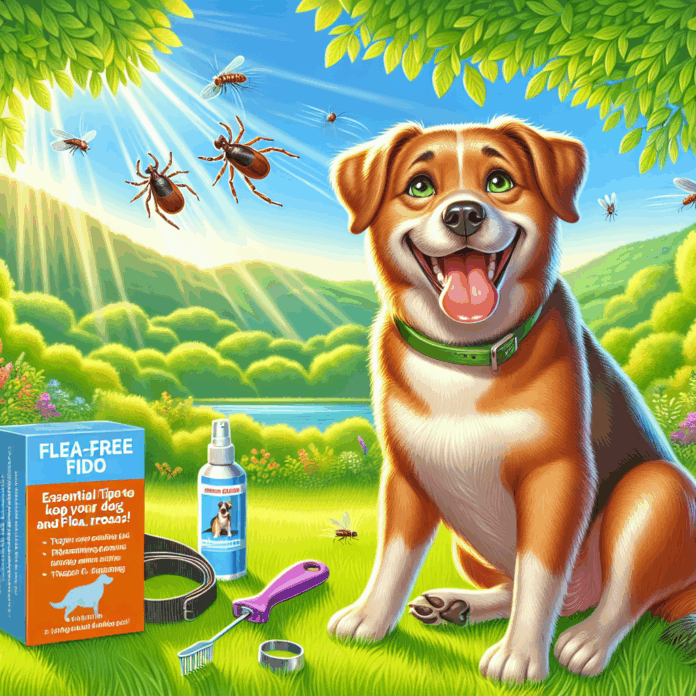
Keeping your furry friend tick and flea-free is essential not just for their comfort, but also for their overall health. Fleas and ticks can lead to various health issues, including skin allergies, infections, and even serious diseases like Lyme disease and heartworm. In this article, we’ll explore effective strategies for preventing these pesky parasites and ensuring your dog remains happy and healthy.
Understanding Fleas and Ticks
Before we discuss prevention methods, it’s crucial to understand what fleas and ticks are.
Fleas are small, wingless insects that feed on the blood of mammals, including dogs. A single female flea can lay hundreds of eggs, leading to rapid infestation. Flea bites can cause intense itching and skin irritations.
- Ticks, on the other hand, are arachnids that attach themselves to the skin and feast on blood. They can transmit diseases such as Rocky Mountain spotted fever and Lyme disease.
Essential Tips to Keep Your Dog Flea and Tick-Free
1. Regular Grooming
Regular grooming is one of the most effective ways to keep your dog free from fleas and ticks.
- Brushing: Use a fine-toothed flea comb at least once a week to catch any fleas or flea dirt (the black specks of flea feces).
- Bathing: Bathe your dog with a veterinarian-recommended flea shampoo. Regular bathing, even without flea shampoo, can help remove dirt and debris and reduce the chances of an infestation.
2. Use Preventive Treatments
Preventive treatments are your first line of defense against fleas and ticks.
- Topical treatments: These are typically applied monthly to the skin and provide protection against fleas and ticks for several weeks.
- Oral medications: These chewable tablets work systemically and are extremely effective against both fleas and ticks.
- Collars: Flea and tick collars can be a good supplemental method, providing added protection.
Always consult your veterinarian to choose the right product based on your dog’s age, weight, and health status.
3. Maintain a Clean Environment
Fleas and ticks thrive in dirty environments.
- Vacuum Regularly: Vacuum your home regularly, paying specific attention to areas where your pet frequents. Fleas can lay eggs in carpets, rugs, and upholstery.
- Wash Bedding: Wash your dog’s bedding frequently in hot water to eliminate any flea eggs or larvae.
- Yard Maintenance: Keep your yard clean and tidy. Mow the lawn regularly, and remove any debris, such as piles of leaves, where ticks may hide.
4. Regular Vet Check-ups
Regular veterinary visits are crucial for maintaining your dog’s overall health and catching any potential infestations early.
- Examinations: During your dog’s routine check-ups, your vet can conduct thorough examinations to check for fleas and ticks.
- Vaccinations: Stay up to date with vaccinations for tick-borne diseases, especially if you live in an area where these are prevalent.
5. Be Careful While Traveling
If you and your dog enjoy outdoor adventures, you must take special precautions.
- Hiking and Camping: Stay on well-trodden paths when hiking and avoid tall grass or dense underbrush. This reduces the likelihood of your dog picking up ticks.
- Check for Ticks: After outdoor activities, thoroughly check your dog for ticks, especially in warm, hidden areas like under the collar, between the toes, and in the ear folds.
6. Natural Repellents
Some pet owners prefer natural remedies to chemical treatments.
- Essential Oils: Certain essential oils, like lavender, lemon, and peppermint, can deter fleas and ticks when used carefully. Always consult your vet before applying any essential oils to your pet, as some can be harmful.
- Diatomaceous Earth: This natural powder can kill fleas by drying them out. Sprinkle it in your yard and on your dog’s bedding, but make sure it’s food-grade and safe for pets.
7. Monitor Your Dog’s Health
Keep an eye on your dog’s behavior to detect any signs of flea or tick infestations:
- Itchiness: Excessive scratching, biting, or licking may indicate fleas or skin allergies.
- Red or Irritated Skin: Look out for hotspots or red patches on the skin which may be caused by flea bites.
- Unusual Behavior: If your dog seems lethargic or exhibits changes in behavior, consult your vet.
8. Educate Yourself
Stay informed about fleas and ticks and their lifecycle. Understanding their behavior can help in prevention.
- Flea Lifecycle: Fleas have multiple stages—egg, larva, pupa, and adult. Understanding this can help in knowing when to act preventively.
- Tick Behavior: Knowing when ticks are most active (generally spring and fall) can help you take extra precautions during those times.
FAQs
1. How can I tell if my dog has fleas?
Signs of fleas include frequent scratching, biting at the skin, flea dirt (black specks) in the fur, or skin irritations. A flea comb can help in spotting them.
2. Are there any natural alternatives to chemical treatments?
Yes! Natural alternatives include essential oils (consult your vet for safe options), diatomaceous earth, and regular grooming practices.
3. How often should I treat my dog for fleas and ticks?
Most preventive treatments are designed for monthly application, but always follow your veterinarian’s advice based on the specific products used.
4. Can fleas or ticks harm humans?
Yes! Fleas can bite humans, causing irritation. Ticks can transmit diseases like Lyme disease to both dogs and humans.
5. Should I treat my dog year-round?
In many regions, especially in warmer climates, it’s wise to keep your dog on flea and tick prevention throughout the year as these parasites can survive indoors and in warm environments.
6. What should I do if I find a tick on my dog?
Use fine-tipped tweezers to remove the tick, grasping it as close to the skin as possible and pulling it out steadily. Clean the area with antiseptic. If unsure, consult your vet.
Conclusion
Preventing fleas and ticks is an ongoing process that combines good hygiene, regular check-ups, and proper preventive treatments. By following these tips, you can help ensure your dog remains healthy, happy, and free from these bothersome pests. Remember, prevention is key, so take action now to protect your furry friend!

