

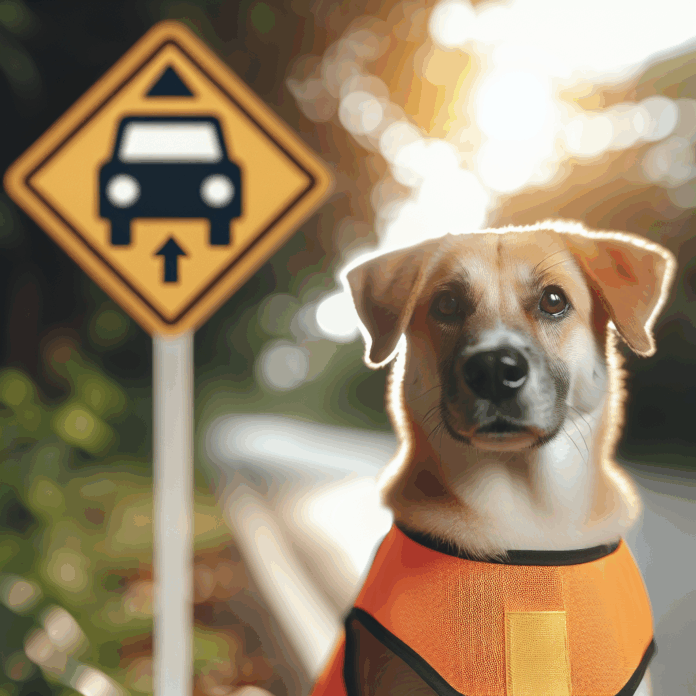
Traveling with our furry friends can be one of life’s great joys. Whether you’re heading to the vet, taking a road trip, or just running errands, ensuring your dog’s safety in the car is paramount. Here’s a comprehensive guide to safely transporting your canine companion—from the right gear to best practices.
Why Safety Matters
Dogs can be unpredictable in the car. Sudden stops, sharp turns, and acceleration can make even the calmest dog anxious. An unrestrained dog can pose a risk to themselves, other passengers, and even other drivers. Here are a few reasons why safety in the car should be a top priority:
- Prevent Injuries: In an accident, a loose dog can suffer serious injuries or even die if they are not secured.
- Distraction: An unrestrained dog can become a distraction while driving, leading to dangerous situations.
- Legality: In many places, it is illegal to drive with an unrestrained pet.
Choosing the Right Gear
Dog Seat Belts:
- A dog seat belt is a perfect solution for short and long trips. Look for adjustable straps that fit your dog’s size. They should attach securely to the car’s seatbelt system.
- Ensure that the belt is made from high-quality materials with solid stitching to withstand pulling and sudden movements.
Dog Car Harnesses:
- Car harnesses combine comfort and safety. They fit securely around your dog’s body and attach to the seatbelt, providing better stability during transit.
- Look for crash-tested harnesses that have undergone safety testing.
Pet Carriers and Crates:
- For smaller dogs, carriers or crates can be an excellent choice. Make sure it’s well-ventilated and fits your dog comfortably.
- Secure the carrier with seat belts or place it in a way that limits movement.
Pet Barriers:
- These are helpful for larger dogs, preventing them from accessing the front seat and acting as a physical barrier. Ensure it is sturdy enough to withstand your dog’s pushing.
- Comfort Items:
- Adding your dog’s favorite blanket or toy can help keep them calm during travel. Familiar scents may reduce anxiety.
Preparing for the Journey
Practice Sessions:
- Before embarking on long trips, take your dog on short rides to help them acclimate to being secured in the car. Gradually increase the length of these journeys.
Regular Breaks:
- When traveling long distances, plan to stop every 2-3 hours. This allows your dog to stretch, hydrate, and relieve themselves.
Hydration:
- Always have fresh, clean water available during travel. Consider using a spill-proof water bowl that attaches to the car.
Comfort:
- Adjust the car’s climate control to ensure your dog doesn’t overheat. Always keep the windows closed or ensure they are only slightly cracked open.
- Avoid Feeding Right Before Travel:
- To prevent motion sickness, refrain from feeding your dog right before getting in the car. Instead, feed them a few hours in advance.
On the Road
Keep Windows Secure:
- If your dog loves to hang their head out of the window, be cautious! Flying debris can injure them. If you do allow this, ensure the window is cracked only enough for their nose.
No Front Seats:
- Many people tend to let their dog ride shotgun, but this can be dangerous. Airbags can be devastatingly harmful to pets during accidents.
Avoid Leaving Pets Unattended:
- Never leave your dog alone in a parked vehicle, even if you think the weather is cool. Cars can heat up quickly and lead to heatstroke.
- Secure Belongings:
- Make sure your dog’s belongings, like toys, are secured. Loose items can become projectiles in case of sudden stops.
Dealing with Anxiety
If your dog experiences anxiety, consider these tips:
Calming Products:
- Use pheromone sprays, calming collars, or natural supplements formulated to reduce anxiety.
Gradual Acclimation:
- Allow your dog to explore the car while it’s parked. Let them get used to the space without the added pressure of travel.
- Consult Your Vet:
- If anxiety persists, consult your veterinarian for potential solutions, including prescription medications.
When to Consult a Professional
If your dog exhibits extreme fear or aggression in vehicles, consider consulting a professional dog trainer or behaviorist. They can provide personalized strategies to help your dog become more comfortable with car travel.
In Case of an Accident
Emergency Kit:
- Keep a pet first-aid kit in your car. This should contain items like bandages, antiseptics, and any medications your dog may require.
Emergency Contacts:
- Keep your vet’s contact details handy, along with a list of nearby emergency pet clinics.
- Stay Calm:
- In the event of an accident, try to stay calm. Assess your dog for injuries and act accordingly.
Conclusion
Traveling with your furry friend can be a rewarding experience, but safety should be your first priority. By taking the right precautions and preparing adequately, you can ensure that car rides remain enjoyable for both you and your dog. So buckle up, pooch—adventure awaits!
FAQs
1. Is it legal to let my dog ride in the front seat?
It depends on local laws. Many places recommend or require pets to be secured in the back seat for safety reasons.
2. What should I do if my dog gets carsick?
If your dog frequently experiences motion sickness, consult your vet about anti-nausea medications and strategies to help ease the experience.
3. Can I use a regular harness in the car?
Not all harnesses are created equal. Only use harnesses specifically designed and crash-tested for car travel.
4. How can I help my anxious dog?
Gradual acclimation to the car, using calming products, and seeking professional advice from a veterinarian or trainer can all help.
5. Can I leave my dog in the car for a few minutes while I run an errand?
It’s not safe to leave your dog in a car unattended, even for a short time, as temperatures can rise rapidly and pose a serious health risk.
6. What’s the best way to introduce my dog to car travel?
Start with short trips while securing them in a harness or carrier, rewarding them with treats for calm behavior, and gradually increasing the duration of trips.
Make every journey a safe adventure, and enjoy exploring the great outdoors with your beloved canine companion!

