

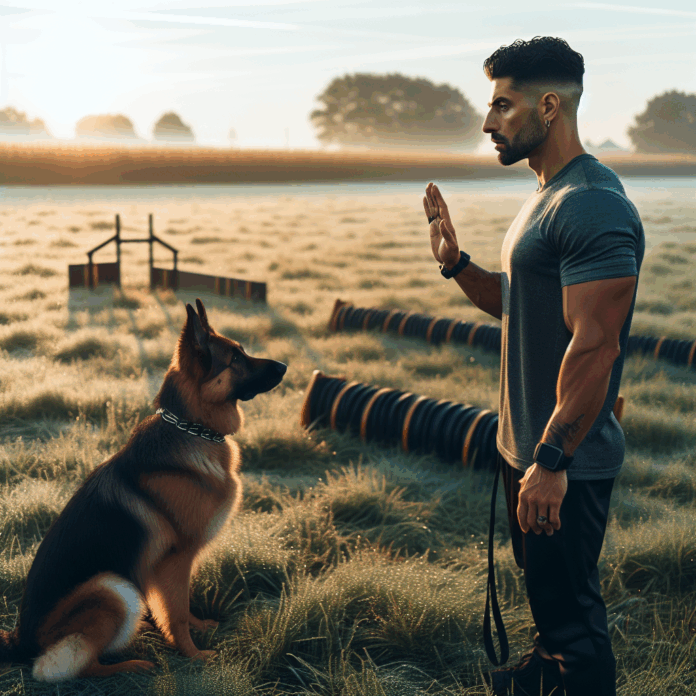
Bringing a new dog into your home is an incredibly rewarding experience but comes with its own set of challenges, especially when it comes to walk time. Proper leash training is vital for your dog’s safety and your peace of mind. Whether you’re welcoming a puppy or an older rescue, mastering leash training is essential. In this guide, you will learn various techniques, tips, and tricks to help you train your dog effectively for enjoyable and stress-free walks.
Why Is Leash Training Important?
The benefits of leash training extend beyond just having a well-behaved dog. Here are several reasons why it’s crucial:
Safety: A trained dog is less likely to run into traffic, rush at other dogs, or pull away from you unexpectedly.
Control: Having control over your dog allows you to navigate through crowded areas, adjust to sudden distractions, and respond effectively in emergencies.
Positive Experience: Well-leashed training makes walks enjoyable for both you and your dog, fostering a stronger bond.
Socialization: Proper leash manners can encourage interactions with other people and pets, enriching your dog’s social life.
- Behavioral Management: A dog that walks well on a leash is less likely to develop behavioral issues related to pulling or lunging.
Essential Tips for Successful Leash Training
1. Choose the Right Equipment
Having the right gear plays a significant role in leash training. Consider the following:
Leash: Opt for a sturdy, standard leash (6 feet is ideal) made of durable material. Avoid retractable leashes initially, as they may encourage pulling.
- Collar or Harness: A well-fitted collar is sufficient for some dogs, but for those that pull, a front-clip harness may distribute pressure more evenly and discourage pulling.
2. Start Indoors
Begin training in a familiar, distraction-free environment. Indoors allows you to focus on reinforcing positive behaviors without overwhelming your dog.
Introduce the Leash: Allow your dog to explore and sniff the leash before attaching it. This helps them associate it with a positive experience.
- Sit and Stay: Before heading out, practice basic obedience commands like "sit" and "stay." These commands can be essential when starting walks.
3. Use Positive Reinforcement
Positive reinforcement is one of the most effective training methods.
Treats and Praise: Bring treats and use them as rewards for staying close to you. Offer praise and treats when your dog maintains a loose leash.
- Timing: Be sure to reward immediately after the desired behavior to strengthen the connection.
4. The "Loose Leash" Technique
The objective of leash training is to maintain a loose leash. Here’s how to achieve it:
Begin Walking: Start walking, and if your dog pulls ahead, stop walking. This teaches your dog that pulling does not lead to forward movement.
Change Directions: If your dog is focused on something rather than you, change direction. This encourages your dog to pay attention to you rather than following their nose.
- Reward Near You: Reward your dog when they walk beside you without pulling. Use verbal cues like "good" to reinforce this behavior.
5. Practice Makes Perfect
Consistent practice is key to success.
Short Sessions: Keep training sessions short, around 5-10 minutes, especially for puppies. Gradually increase the duration as your dog becomes more accustomed to walking on a leash.
- Frequency: Incorporate leash training into daily routines. Frequent practice helps your dog learn and adapt more readily.
6. Manage Distractions
As your dog becomes more comfortable, gradually introduce distractions such as other dogs, people, or vehicles.
Stay in Control: If distractions arise, keep your dog’s attention by offering treats or toys. This helps them focus on you.
- Calm Environment: Initially, choose quieter times and locations for walks. As your dog becomes skilled, gradually tackle busier areas.
7. Be Patient and Consistent
Leash training can take time, and every dog learns at their own pace. It’s essential to remain patient and consistent throughout the process.
Avoid Yanking: Resist the urge to pull back on the leash. Instead, stop and wait for your dog to return to your side.
- Stay Calm: If your dog gets excited or nervous, take a deep breath and remain calm. Dogs can sense your energy.
8. Gradual Progression
As your dog becomes proficient in walking on a loose leash, gradually increase the challenges.
Add Variations: Include various terrains, inclines, and routes to help your dog adapt to different walking environments.
- Socialize: Allow your dog to interact with other dogs and people while maintaining leash manners.
Building a Bond Through Leash Training
Leash training is not just about controlling your dog—it’s also about building a strong, trusting bond. Make walks enjoyable for both of you, and be sure to:
Enjoy the Journey: Take time to sniff, explore, and let your dog enjoy their environment.
Vary the Route: Change walking routes to keep things interesting and prevent boredom.
- End on a Positive Note: Always finish each session positively, even if it didn’t go as planned. This encourages your dog to look forward to future walks.
FAQs
1. What if my dog refuses to walk on a leash?
Start by introducing the leash in a comfortable environment and allow them to get used to it gradually. Use treats to encourage movement.
2. What if my dog pulls excessively on the leash?
Use a front-clip harness and practice the "loose leash" training techniques mentioned above. Remember to stop walking when they pull.
3. How long will it take to leash train my dog?
The timeline can vary; some dogs grasp the concept quickly, while others may take weeks or months. Consistent practice and patience are key.
4. Is it acceptable to use corrections when leash training?
Avoid harsh corrections. Instead, focus on positive reinforcement methods that build trust and a positive association with leash walking.
5. How can I get my dog used to walking in busy areas?
Begin by practicing in quieter, less distracting areas. Gradually increase the complexity of your walks as your dog becomes more comfortable.
Final Thoughts
Leash training is an essential skill for every dog and their owner. By using positive reinforcement, being patient, and maintaining consistency, you can turn walk time into a joyful experience for both you and your furry friend. Embrace the journey, and remember, it’s all about building a strong bond while ensuring safety and control on your walks. Enjoy your time outdoors together!

