

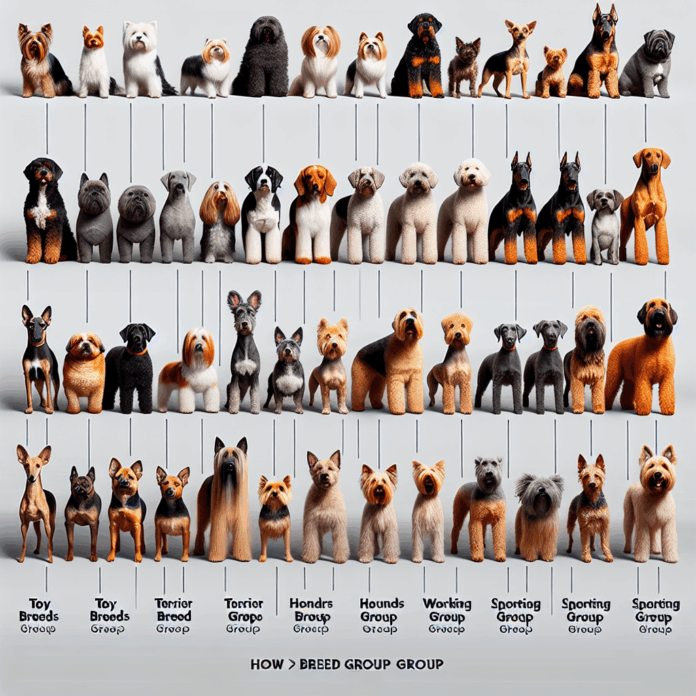
For many families, the joy of welcoming a dog into their home is often overshadowed by concerns regarding allergies. Dog lovers who suffer from allergies need not despair; hypoallergenic dog breeds exist that can bring joy to your family while minimizing allergic reactions. These breeds produce fewer allergens, allowing families to enjoy companionship, loyalty, and love without the constant sneezing and itchy eyes that often accompany pet ownership.
What is a Hypoallergenic Dog?
Hypoallergenic dogs are breeds that are less likely to trigger allergic reactions in sensitive individuals. They produce lower levels of dander, the protein found in skin flakes, saliva, and urine that cause allergies. It’s crucial to understand that no dog is completely hypoallergenic; however, some breeds are known to produce fewer allergens than others.
When selecting a hypoallergenic dog, consider the dog’s grooming needs, size, temperament, and how well they fit into your family’s lifestyle.
Top Hypoallergenic Dog Breeds
1. Poodle
Poodles come in three sizes: standard, miniature, and toy. They are known for their intelligence and versatility. Their curly coat not only minimizes shedding but also captures dander and allergens, keeping your home cleaner. Poodles are active dogs that thrive on mental and physical stimulation, making them an excellent choice for families who enjoy outdoor activities.
2. Bichon Frise
The Bichon Frise is a small breed with a cheerful personality. Their soft, curly locks require regular grooming, but their relatively low shedding makes them a great option for allergy sufferers. Bichons are friendly, adaptable, and typically get along well with children and other pets, making them delightful family companions.
3. Portuguese Water Dog
Known for their striking appearance and affectionate nature, Portuguese Water Dogs have a dense, curly coat that helps reduce dander. They are highly trainable, intelligent, and enjoy swimming and other physical activities. This medium-sized breed is a great fit for families with active lifestyles and can adapt well to a variety of living situations.
4. Schnauzer
Schnauzers come in three sizes: miniature, standard, and giant. All sizes have a distinctive coat that requires regular grooming to prevent matting but produces less dander. They are known for their loyalty and protective instincts, making them excellent family dogs. Schnauzers are alert, playful, and thrive on companionship, ensuring that they bond well with family members.
5. Maltese
The Maltese is a toy breed known for its long, flowing white coat, which does not shed much and therefore produces fewer allergens. They are affectionate, playful, and perfect for families looking for a smaller dog that still has a big personality. Regular grooming helps keep their coats free of tangles and dander, supporting an allergy-friendly environment.
6. Shih Tzu
Originally bred as companion dogs, Shih Tzus have a unique coat that can be hypoallergenic. While their long hair requires consistent grooming, it is less likely to trigger allergies due to minimal shedding. Shih Tzus are known for their affectionate nature and make wonderful family pets, adapting well to indoor life.
7. Labradoodle and Goldendoodle
These hybrid breeds combine the hypoallergenic qualities of their Poodle parentage with the warmth of Labrador Retrievers or Golden Retrievers. Labradoodles and Goldendoodles come in various sizes and coat types, often inheriting the Poodle’s low-shedding coat. They are friendly, intelligent, and great with children, making them a practical choice for families concerned about allergies.
8. Basenji
The Basenji is a short-haired breed known for its minimal shedding, which means less dander. This unique breed is also famous for being less "doggy-smelling" than other breeds. Basenjis are independent but affectionate, making them well-suited for families who appreciate a quieter, more reserved companion.
Considerations for Allergy Sufferers
While hypoallergenic breeds can significantly reduce allergic reactions, it’s important to consider other factors that may contribute to allergies:
Grooming: Regular grooming can help control dander and hair around the house. Some families may benefit from professional grooming services.
Home Environment: Using air purifiers, regularly cleaning, and maintaining a pet-free zone in the house (such as bedrooms) can also help alleviate allergy symptoms.
- Personal Reactions: Spend time with different breeds before making a commitment. Everyone’s allergies can react differently; thus, finding a breed that suits the family’s lifestyle is crucial.
FAQs about Hypoallergenic Dogs
1. Are hypoallergenic dogs completely allergy-free?
- No, no dog is completely hypoallergenic. However, hypoallergenic breeds tend to produce fewer allergens and cause fewer allergic reactions.
2. How do I know if I am allergic to dogs?
- Common signs of dog allergies include sneezing, runny nose, itchy eyes, or skin rashes. An allergist can conduct tests to confirm allergies.
3. Can I have a hypoallergenic dog if I have severe allergies?
- While hypoallergenic breeds may reduce allergic reactions, individuals with severe allergies should consult a healthcare provider before acquiring a dog.
4. Do hypoallergenic dogs require special care?
- Many hypoallergenic breeds require regular grooming to maintain their coats and minimize dander. It’s vital to adhere to grooming schedules to keep allergens at bay.
5. Are hypoallergenic dogs good with children?
- Many hypoallergenic breeds are friendly and good-natured, making them great companions for families with children. However, always supervise interactions between dogs and young children.
6. Which hypoallergenic breed might be best for active families?
- Breeds like the Portuguese Water Dog and Labradoodle are excellent choices for active families, as they enjoy physical activity and play.
7. How can I reduce allergens in my home with a dog?
- Regular cleaning, using air purifiers, designating pet-free zones, and maintaining a grooming routine can significantly reduce allergens in the home.
Conclusion
Choosing a hypoallergenic dog can bring happiness and companionship into your family without the burden of allergies. Each breed has its unique characteristics, and understanding them can ensure that you find the right match for your family’s lifestyle. Always remember that regular grooming and a clean living environment significantly contribute to reducing allergens and making pet ownership a fulfilling experience for allergy sufferers.
If you’re considering welcoming a furry friend into your home, exploring hypoallergenic breeds is a fantastic way to enjoy the benefits of pet ownership while keeping allergy concerns in check.

