

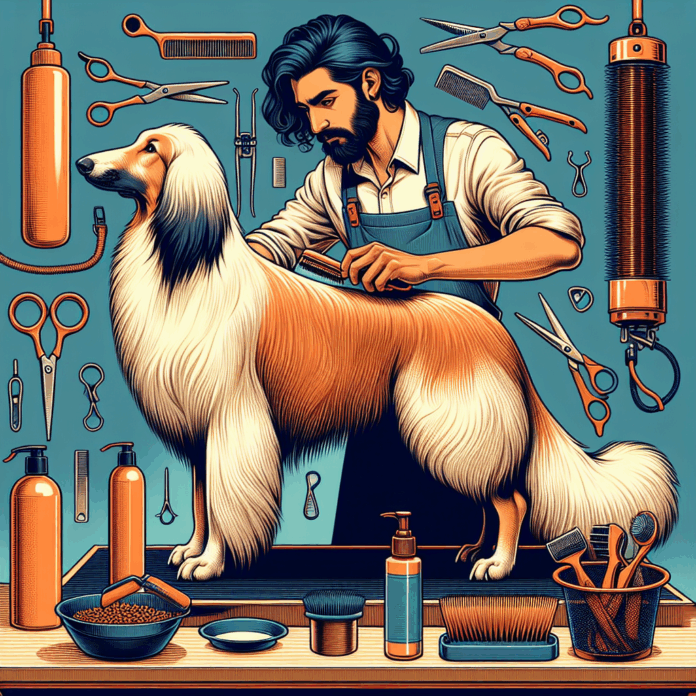
Grooming long-haired dog breeds can be a rewarding experience, both for you and your pet. These breeds, known for their elegant fur and charming appearance, require regular care to maintain their beauty and health. This guide will cover essential grooming tips, techniques, and common questions about grooming long-haired dogs.
Understanding Long-Haired Breeds
Long-haired dog breeds, such as the Afghan Hound, Shih Tzu, and Yorkshire Terrier, have fur that can become tangled and matted if not cared for properly. Their coats often require more time and effort compared to short-haired breeds, making regular grooming sessions crucial. By establishing a routine, you can ensure your dog’s coat stays healthy, clean, and tangle-free.
Essential Grooming Tools
Before diving into grooming techniques, having the right tools on hand is essential. Here’s a list of must-have grooming tools for long-haired dog breeds:
- Slicker Brush: Ideal for removing tangles and mats. Its fine, bent wires help detangle without damaging the coat.
- Pin Brush: Great for smoothing out the coat and adding shine. It works well on longer fur.
- Comb: Use a wide-toothed comb for detangling, then switch to a finer comb for finishing touches.
- Dog Shampoo: Always opt for a high-quality dog shampoo, preferably one designed for long-haired breeds.
- Dog Conditioner: Helps maintain moisture and detangle the coat.
- Dog Clippers: For trimming around sensitive areas such as the paws, face, and bottom.
- Scissors: Ideal for finishing touches and trimming fur around the eyes and paws.
- Rubber Grooming Mitt: For brushing away loose hair and providing a massage effect.
- Nail Clippers: Keeping nails trimmed helps prevent discomfort while walking.
Grooming Techniques
1. Establish a Routine
Creating a consistent grooming schedule helps your dog become accustomed to the process. Aim for at least once a week, with more frequent sessions needed during shedding seasons.
2. Bathing Your Dog
Frequency: Most long-haired breeds benefit from a bath every 4-6 weeks. However, this can vary based on your dog’s activity level and lifestyle.
Steps:
- Brush your dog thoroughly before bathing to remove loose hair and mats.
- Use lukewarm water and apply a quality dog shampoo, massaging it into the coat.
- Rinse thoroughly to remove all shampoo, as residual products can irritate the skin.
- Follow up with a conditioner, as this enhances moisture and manageability.
3. Drying Your Dog
After bathing, it’s crucial to dry your dog properly. Long-haired breeds are prone to getting chilled, so ensure you:
- Use a towel first to remove excess water.
- For a more thorough dry, use a pet-specific blow dryer on a low setting. Keep the dryer at a safe distance to avoid overheating the skin.
- Brush while drying to prevent the coat from tangling.
4. Brushing and Detangling
Daily vs. Weekly: Daily brushing is recommended for highly susceptible breeds to matting, while some may do well with weekly sessions.
Technique:
- Start by sectioning the coat into manageable parts.
- Use the slicker brush to gently detangle, working from the tips of the hair upwards to avoid breaking strands.
- Follow up with a pin brush for finishing.
5. Regular Trimming
Regular trimming is vital to maintaining the coat’s shape and health. Processing your dog’s fur around the paws, face, and behind the ears can prevent mats from forming and keep your dog comfortable. Consider taking your dog to a professional groomer every few months for a trim.
6. Paw Care
Long-haired breeds often have fur that collects dirt and debris in their paw pads. Regularly check and trim the fur around the paws to keep them neat and clean. Consider using a paw balm to prevent dryness and cracking.
7. Ear Cleaning and Dental Care
Long-haired breeds are also susceptible to ear infections. Regularly check their ears for dirt and wax build-up and use a vet-recommended ear cleaner to keep them clean. Additionally, maintaining your dog’s dental hygiene through regular brushing can prevent oral health issues.
8. Nail Trimming
Regular nail trimming is vital for your dog’s comfort and mobility. Aim to trim nails every 3-4 weeks, being cautious not to cut into the quick. If your dog is not comfortable with nail trimming, consider seeking help from a professional groomer.
Other Considerations
- Nutrition: Proper nutrition contributes to a healthy coat. Look for high-quality dog food rich in Omega fatty acids.
- Allergies: Be cautious of skin irritations and allergies. If your dog shows signs of discomfort, consult your vet.
FAQs
How often should I groom my long-haired dog?
Most long-haired breeds require grooming at least once a week, with daily brushing recommended for breeds prone to matting.
Can I use human shampoo on my dog?
No, human shampoos can irritate your dog’s skin. Always use a dog-specific shampoo that suits your dog’s coat type.
What should I do if my dog has mats?
If your dog has mats, use a slicker brush to gently work them out. For severe mats, consider seeking help from a professional groomer.
How can I prevent mats from forming?
Regular brushing is the best way to prevent mats. Bathing your dog and using a conditioner can also help to reduce tangling.
Is it necessary to take my dog to a professional groomer?
While home grooming is feasible, professional groomers can offer trims, specialized techniques, and products that can help maintain your dog’s coat health.
What are some tips for grooming a nervous dog?
Gradually introduce grooming tools and associate them with positive experiences. Short, frequent sessions can help build your dog’s comfort and trust.
Conclusion
Grooming long-haired dog breeds requires patience, consistency, and the right tools. Establishing a routine not only keeps your dog looking fabulous but also promotes a bond between you and your pet. With the tips and techniques outlined in this guide, you’ll be well on your way to mastering the art of grooming and ensuring your furry companion remains happy and healthy.

