

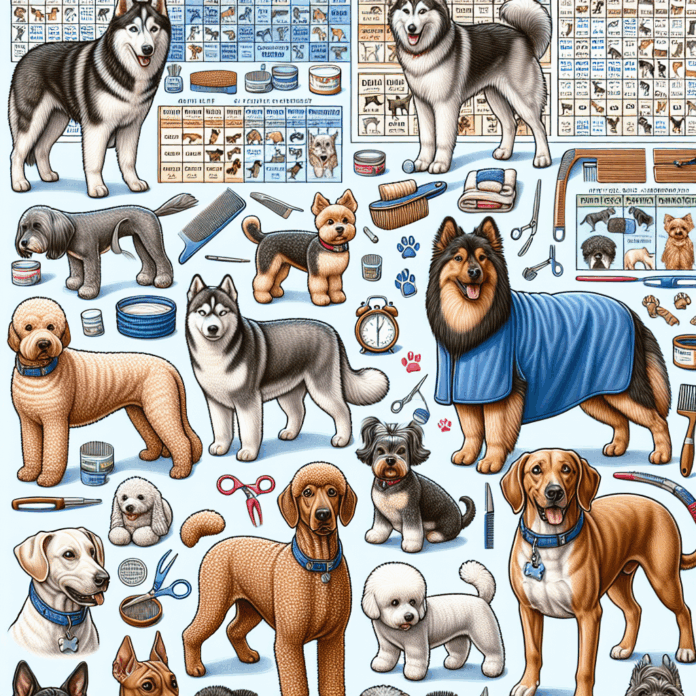
Grooming is an essential aspect of dog care that goes far beyond aesthetics; it contributes significantly to a dog’s health and well-being. For dog owners, understanding the specific grooming needs of their breed is crucial. This ultimate grooming guide breaks down grooming schedules tailored by breed, offering insight on how to maintain your dog’s coat, skin, and overall health.
The Importance of Grooming
Regular grooming carries several benefits, including:
- Health Monitoring: Grooming sessions provide an excellent opportunity for owners to check for lumps, bumps, or skin issues.
- Mat Removal: Certain breeds are prone to mats which can lead to skin infections if not addressed.
- Shedding Control: Regular grooming helps manage shedding and keeps your home cleaner.
- Bonding Time: Grooming can be a soothing time of bonding between the dog and owner, enhancing their relationship.
Tailored Grooming Schedules by Breed
1. Short-Haired Breeds
Examples: Beagle, Boxer, Dalmatian
Grooming Schedule: Every 4-6 weeks
Grooming Needs:
- Brushing: Weekly with a soft bristle brush to remove loose hair.
- Bathing: Every 2-3 months, or as needed if they get dirty.
- Nail Trimming: Monthly.
- Ear Cleaning: Bi-weekly or as needed.
Short-haired breeds are relatively low-maintenance, so the focus should be on regular baths and occasional brushing to limit shedding.
2. Medium-Haired Breeds
Examples: Bearded Collie, Cocker Spaniel, Australian Shepherd
Grooming Schedule: Every 4-8 weeks
Grooming Needs:
- Brushing: 2-3 times a week to prevent mats and tangles.
- Bathing: Monthly or every 6 weeks, depending on activity levels.
- Nail Trimming: Every 3-4 weeks.
- Ear Cleaning: Weekly, especially for breeds prone to ear infections.
Medium-haired breeds benefit from a balanced grooming schedule that incorporates brushing, bathing, and ear care to maintain coat quality and health.
3. Long-Haired Breeds
Examples: Golden Retriever, Shih Tzu, Afghan Hound
Grooming Schedule: Every 6-12 weeks
Grooming Needs:
- Brushing: Daily to prevent knots and tangles, especially around the ears and tail.
- Bathing: Every 4-6 weeks.
- Nail Trimming: Monthly.
- Ear Cleaning: Weekly, with particular attention to moisture and dirt accumulation.
Long-haired breeds require the most dedication when it comes to grooming, as neglecting their coats can lead to painful matting and skin infections.
4. Curly and Wavy-Haired Breeds
Examples: Poodle, Portuguese Water Dog, Bichon Frise
Grooming Schedule: Every 4-6 weeks
Grooming Needs:
- Brushing: 3-4 times a week using a slicker brush and a comb to detangle curls.
- Bathing: Every 4-6 weeks using a mild dog shampoo.
- Nail Trimming: Monthly.
- Ear Cleaning: Every 2 weeks to prevent infection.
These breeds require special attention to prevent matting, primarily through regular brushing and professional grooming sessions.
Grooming Tips and Techniques
- Start Early: Introduce grooming to your dog at a young age to make the process easier as they grow.
- Use the Right Tools: Invest in good-quality brushes and clippers suitable for your dog’s coat type.
- Create a Routine: Just like with humans, dogs are creatures of habit. Establish a routine that works for you and your pet.
- Be Gentle: Always be gentle during grooming to create a positive experience for your dog, especially around sensitive areas like ears and paws.
- Watch for Signs of Discomfort: Be mindful of how your dog reacts during grooming. If they show signs of stress, take a break and try again later.
Professional Grooming
While regular grooming at home is crucial, consider professional grooming for breeds that require elaborate grooming regimes, especially those with intricate hairstyles. Professional groomers have training and tools that can maintain the health and appearance of your dog’s coat effectively.
FAQs
1. How often should I groom my dog?
- Grooming frequency depends on the dog’s breed, coat type, and lifestyle. As a general guideline, short-haired breeds might need grooming every 4-6 weeks while long-haired breeds could require weekly grooming.
2. What are the essential grooming tools I need?
- Basic tools include a slicker brush, comb, nail clippers, dog shampoo, and a towel. For specific coat types, additional tools like dematting combs or specialized brushes may be needed.
3. Can I groom my dog at home?
- Yes, many grooming tasks can be done at home. However, complex grooming styles or treatments should be performed by professionals.
4. What should I do if my dog dislikes grooming?
- Start slowly, using treats and praise to create a positive association. If your dog is particularly anxious, consult a professional groomer for tips or consider hiring them for grooming sessions.
5. How can I tell if my dog needs a bath?
- If your dog smells bad, has visible dirt on their coat, or has been rolling in something undesirable, it’s time for a bath. Regular brushing can also help you determine when a bath is necessary.
6. Is it necessary to groom a senior dog differently?
- Senior dogs may benefit from more gentle handling and shorter grooming sessions. Consulting your veterinarian for specific needs related to their age is advisable.
Conclusion
Understanding the grooming needs of your dog based on their breed is crucial for their health and well-being. By tailoring your grooming schedule to your dog’s specific needs, you can ensure a happy, healthy, and well-groomed canine companion. Remember to consider professional help for complex grooming tasks and always prioritize your dog’s comfort during grooming sessions. By taking these steps, you’re setting the stage for a long, happy, and healthy life together.

