


A few extra pounds might not seem like a big deal at first, especially when your dog still acts happy and hungry. But obesity isn’t just about appearance. Carrying excess weight can quietly strain your dog’s body over time, increasing the risk of painful health problems and making everyday movement harder. From joints and organs to hormones and the heart, being overweight can affect nearly every part of your dog’s health. Here are common illnesses linked to canine obesity, along with why maintaining a healthy weight matters.
10 Common Illnesses Related to Obesity in Dogs
#1 – Arthritis

Obesity directly increases the load your dog’s joints must carry every time they stand, walk, run, or jump. That extra pressure wears down joint cartilage faster, especially in weight-bearing joints like the hips, knees, elbows, and lower back.
Over time, the body responds to that damage with inflammation, which causes pain, stiffness, and reduced mobility. Excess body fat can also increase inflammation throughout the body, which may worsen arthritis symptoms even further.
In short: extra weight accelerates joint breakdown and makes arthritis harder to manage.
#2 – Bladder and Urinary Tract Disease

Obesity can increase urinary tract problems in several ways. Overweight dogs may have extra fat and skin folds around the genital area, which can trap moisture and bacteria. That creates an ideal environment for irritation and infection.
Excess weight can also make it harder for some dogs to fully empty their bladder when they urinate. When urine sits in the bladder longer than it should, bacteria have more time to grow, raising the risk of infections.
In short: obesity can contribute to infections through skin fold irritation, hygiene challenges, and incomplete bladder emptying.
#3 – Low Thyroid Hormone Production (Hypothyroidism)

Hypothyroidism doesn’t always start because of obesity, but the two often become tightly connected. A dog with low thyroid hormone has a slower metabolism, meaning they burn fewer calories at rest. That makes weight gain easier and weight loss much harder, even if you don’t think you’re overfeeding.
On the flip side, obesity can hide thyroid issues because many owners assume the weight gain is simply from too many treats or not enough exercise. That’s why sudden weight gain (especially paired with low energy, dry coat, or skin issues) is worth discussing with a vet.
In short: low thyroid hormone slows metabolism, and obesity can worsen the cycle of weight gain.
#4 – Liver Disease

The liver helps process fats, remove toxins, and support digestion. When a dog carries excess weight, fat can accumulate in and around the liver. This can interfere with how well the liver works and may lead to inflammation and long-term liver strain.
Obesity can also contribute to metabolic stress in the body, which can make it harder for the liver to regulate energy and handle normal daily demands.
In short: obesity overloads the liver with fat and stress, increasing the risk of liver dysfunction.
#5 – Torn Knee Ligaments
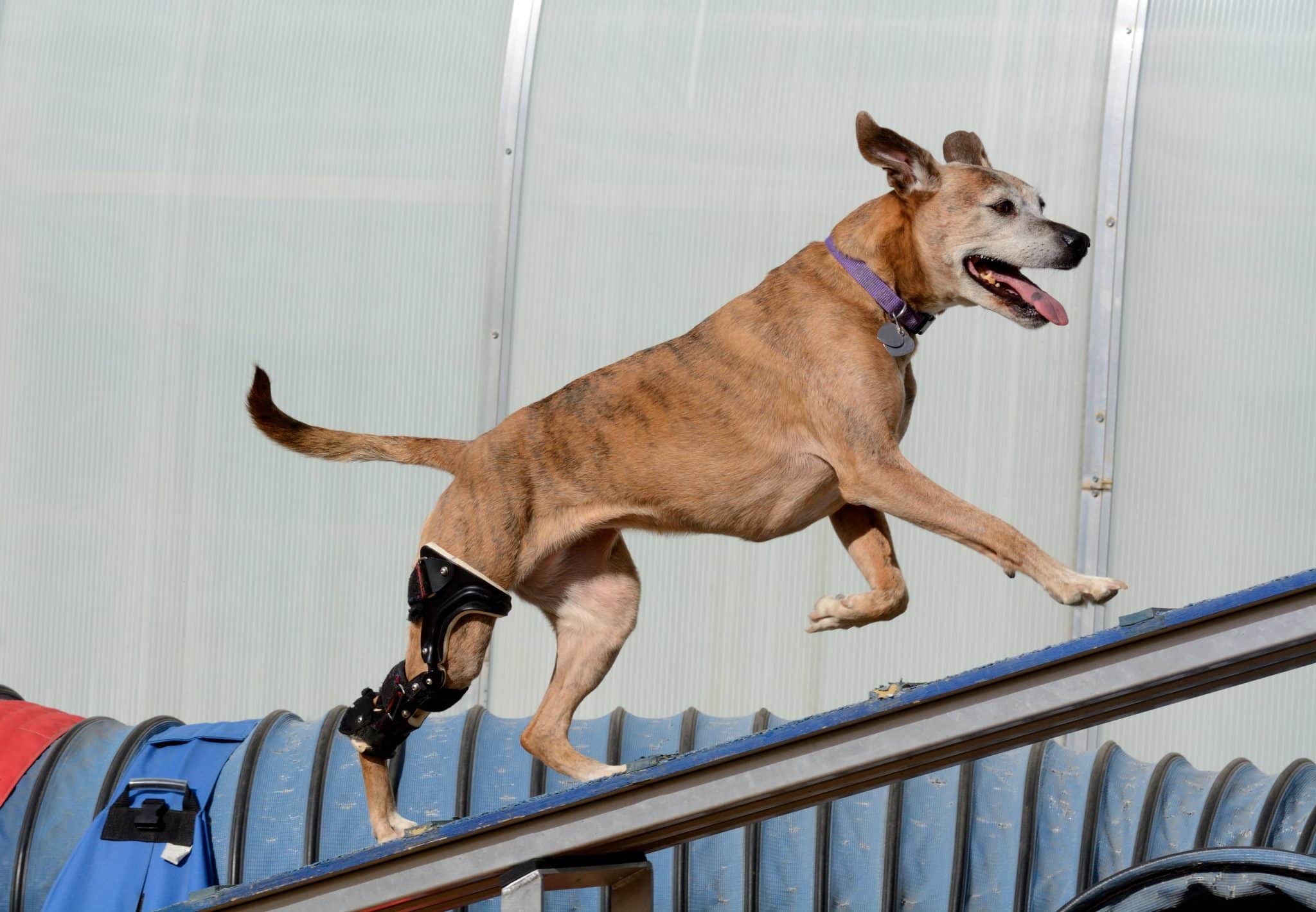
Extra weight increases the force placed on a dog’s knees with every step, and knees weren’t designed to handle that kind of constant strain. Over time, the ligaments that stabilize the knee can weaken or become more prone to injury.
Many overweight dogs also move differently because of discomfort. That altered gait can put uneven pressure on the knees, increasing the chance of a tear. Once a ligament is damaged, obesity can make recovery harder because the knee continues to carry too much load during healing.
In short: obesity puts heavy mechanical stress on knees, raising the risk of painful ligament injuries.
#6 – Diabetes

Obesity is strongly linked to diabetes because excess body fat can make a dog’s cells less responsive to insulin. Insulin is the hormone that helps move sugar from the bloodstream into cells for energy. When the body becomes less responsive, blood sugar levels can rise.
Over time, this can lead to diabetes, which often requires ongoing management with insulin injections, diet changes, and careful monitoring.
In short: obesity can contribute to insulin resistance, making diabetes more likely and harder to control.
#7 – Diseased Spinal Discs

Extra weight adds pressure along the spine, especially in the lower back. That strain can contribute to disc wear and tear, making discs more likely to bulge or rupture.
Obesity can also weaken a dog’s overall mobility and muscle strength. When the core and back muscles aren’t strong enough to support the spine properly, the spine takes more stress, increasing the chance of injury or disc disease.
In short: obesity increases spinal pressure and reduces supportive muscle strength, raising disc disease risk.
#8 – Fatty Growths (Lipomas)

Lipomas are soft lumps made of fatty tissue, and they’re more common in overweight dogs. While they’re usually benign, obesity may increase the likelihood of developing them because the body has more fat tissue overall.
Even though lipomas aren’t usually dangerous, they can still become a problem if they grow large, press on muscles, or interfere with movement — especially if they form near the legs or joints.
In short: overweight dogs are more prone to fatty lumps, and larger ones can affect comfort and mobility.
#9 – Chronic Kidney Disease

Obesity can strain the kidneys over time by increasing inflammation and metabolic workload in the body. Excess weight may also contribute to conditions like high blood pressure, which can reduce kidney function over the long term.
While kidney disease can have many causes, maintaining a healthy weight helps support overall organ function and reduces stress on the body’s filtration system.
In short: obesity increases systemic strain and inflammation, which may contribute to kidney decline.
#10 – Heart Failure

The heavier a dog is, the harder their heart has to work to pump blood throughout the body. Extra weight increases oxygen demand and forces the heart to work overtime — even during rest.
Obesity can also contribute to high blood pressure and reduced cardiovascular efficiency. Over time, this constant strain can weaken the heart and increase the risk of serious heart disease and failure.
In short: obesity makes the heart work harder every day, increasing long-term risk of heart problems.
The Good News: Many Dog Obesity-Related Illnesses Are Preventable
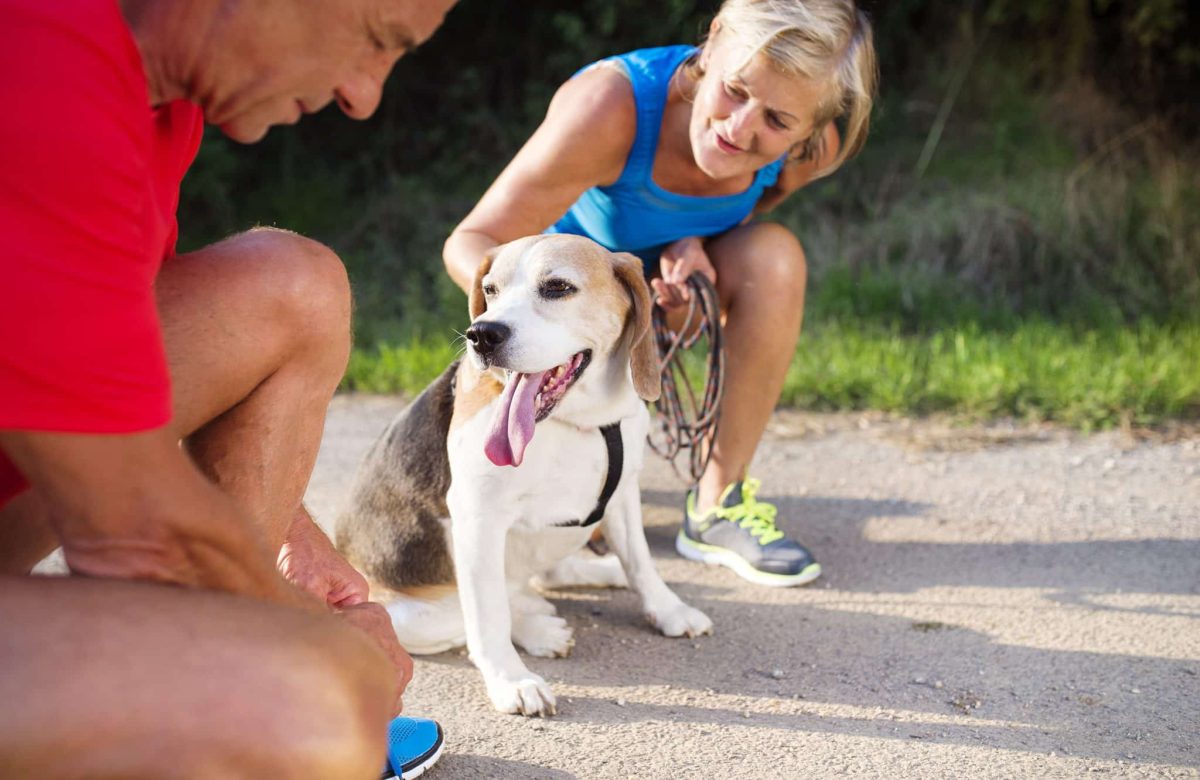
Helping your dog stay at a healthy weight is one of the simplest ways to protect their long-term health. Even small changes, like slightly smaller portions, healthier treats, and more daily movement, can make a big difference over time. If you’re unsure whether your dog is overweight, your veterinarian can help you assess body condition and create a safe weight-loss plan.

