

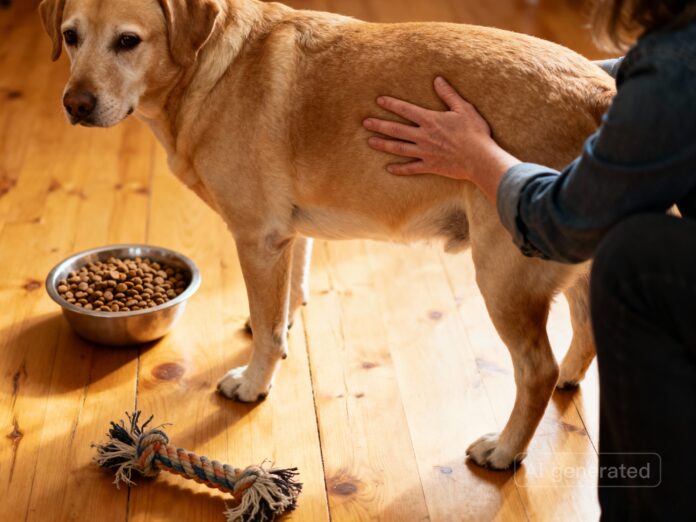
Ensuring your dog maintains a healthy weight is essential for their overall health, happiness, and longevity. Just like humans, dogs can suffer from obesity, which can lead to numerous health issues, including diabetes, arthritis, heart disease, and a shorter lifespan.
In this comprehensive guide, we will explore the importance of maintaining a healthy weight for your dog, signs of obesity, factors influencing weight, effective management strategies, and the best practices for feeding and exercise.
The Importance of a Healthy Weight
- Health Benefits
Maintaining a healthy weight minimizes the risk of chronic diseases. Obesity can lead to metabolic disorders, making it vital to ensure your dog stays at an ideal weight. - Enhanced Mobility
Dogs who are at a healthy weight tend to move more easily. Excess weight can put stress on joints and bones, leading to pain and decreased mobility. - Improved Lifespan
Studies have shown that dogs who maintain a healthy weight tend to live longer, healthier lives compared to their overweight counterparts. - Better Mood and Behavior
Obesity in dogs can lead to boredom and lethargy. Keeping your dog active and slim can improve their energy levels and overall mood.
Signs of Obesity in Dogs
Recognizing whether your dog is overweight or obese is crucial for taking necessary action. Here are some signs to look out for:
- Difficulty Feeling Ribs
If you have trouble feeling your dog’s ribs, they might be overweight. A healthy dog should have easily felt ribs with a light layer of fat covering them. - Waistline and Abdominal Tuck
When viewed from above, your dog should have a noticeable waist. An abdominal tuck—where the belly slopes upward toward the back—is a sign of a healthy weight. - Limited Mobility
If your dog is reluctant to walk, play, or engage in normal activities, it might be due to extra weight affecting their comfort and energy levels. - Breathing Difficulties
Dogs that are overweight often show signs of labored breathing or panting, especially after minimal exercise. - Reduced Lifespan
Sadly, obesity can lead to various health issues, which can potentially shorten your dog’s lifespan.
Factors Influencing Dog Weight
Several factors can contribute to whether a dog maintains a healthy weight, including:
- Breed
Certain breeds are predisposed to obesity. Breeds such as Labrador Retrievers and Beagles may be more prone to weight gain. - Age
As dogs age, their metabolism generally slows down, and they may require fewer calories. Senior dogs often need lower-calorie diets to maintain a healthy weight. - Diet
The type and amount of food you provide greatly influence your dog’s weight. A diet high in calories and low in nutritional value can lead to obesity. - Exercise
Regular physical activity is crucial for maintaining a healthy weight. Lack of exercise can lead to weight gain and associated health problems. - Genetics
Some dogs may be genetically predisposed to being overweight, making it essential to monitor their diet and activity levels closely.
Strategies for Weight Management
Managing your dog’s weight involves a combination of proper diet and regular exercise. Here are effective strategies:
1. Consult Your Veterinarian
Before making any significant changes to your dog’s diet or exercise routine, consult your veterinarian. They can help assess your dog’s current weight and health and recommend an appropriate plan if necessary.
2. Create a Feeding Schedule
Establish consistent meal times. Avoid free-feeding (leaving food out all day). Controlled portions help prevent overeating.
3. Measure Food Portions
Use a measuring cup to ensure proper portion sizes based on your dog’s age, size, and activity level. Follow packaging guidelines or your vet’s advice.
4. Choose High-Quality Dog Food
Opt for dog food made for your dog’s life stage (puppy, adult, senior) that includes balanced nutrients and avoids fillers, artificial additives, or excessive fats.
5. Use Treats Wisely
Treats are great for training but should be part of the total daily calorie intake. Choose low-calorie options like carrots or green beans.
6. Incorporate Regular Exercise
Ensure at least 30 minutes of activity daily—walking, fetch, swimming, or playtime. Adjust duration and intensity as your dog’s fitness improves.
7. Engage in Mental Stimulation
Puzzle feeders, toys, and training games keep your dog mentally sharp and help prevent boredom-related overeating.
8. Monitor Progress Regularly
Weigh your dog periodically and record changes. Adjust diet and activity levels as needed, with your vet’s guidance.
Establishing Healthy Habits
Creating a healthy lifestyle takes consistency and patience. Here are some habits to reinforce:
- Be Consistent – Stick to regular feeding times and portion sizes.
- Involve Family Members – Ensure everyone follows the same feeding and exercise routine.
- Educate Yourself – Learn about nutrition labels and portion control for your dog’s breed and life stage.
- Reward Success – Celebrate milestones, such as improved mobility or visible waistline changes, with extra playtime instead of food treats.
Conclusion
Maintaining a healthy weight for your dog is essential for their long-term well-being. By recognizing the signs of obesity, understanding the factors influencing weight, and implementing effective management strategies, you can help your dog live a longer, healthier, and happier life.
Start today by consulting your veterinarian, establishing consistent feeding habits, encouraging daily activity, and monitoring progress.
Remember, a healthy dog is a happy dog! ????

