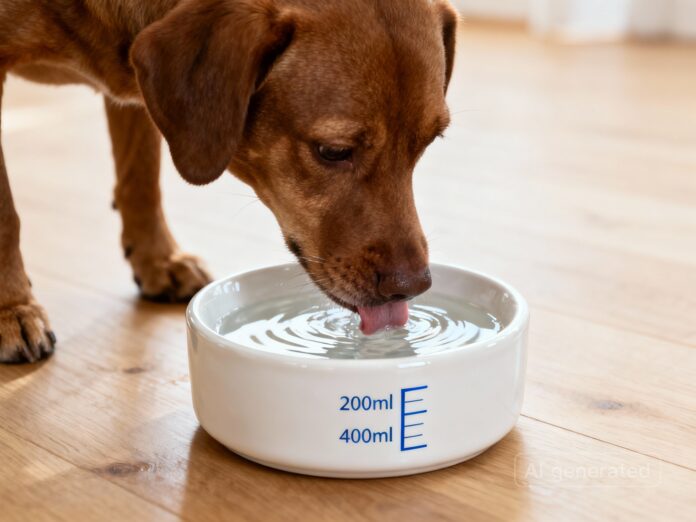
Ensuring your dog stays properly hydrated is essential for its overall health and well-being. Water plays a crucial role in almost every bodily function — from digestion to temperature regulation. But how much water does a dog really need each day? The answer varies based on several factors, including your dog’s size, age, activity level, and diet.
Factors Influencing Water Intake
1. Size and Breed
Larger dogs require more water than smaller breeds. A good rule of thumb is to provide one ounce of water per pound of body weight. For instance, a 50-pound dog should drink around 50 ounces daily to stay hydrated and healthy.
2. Activity Level
Active or working dogs need more water than those who are less active. If your dog plays outdoors or exercises frequently—especially in warm weather—ensure you provide constant access to fresh, clean water to prevent dehydration.
3. Diet
Your dog’s food type can impact their hydration. Dry kibble diets require more drinking water, while wet or raw diets have higher moisture content and reduce the need for extra water.
4. Climate
Hot, dry, or humid climates naturally increase water needs. Dogs living in warmer regions should have their water bowls refilled multiple times daily, particularly during outdoor activities.
5. Health Status
Certain health conditions, medications, or stages of life may change your dog’s water requirements. Puppies, senior dogs, and pets with diabetes or kidney issues may need more frequent hydration.
General Guidelines for Hydration
While needs vary, most dogs should consume about one ounce of water per pound of body weight per day.
For example:
- A 10-pound dog → roughly 10 ounces per day
- A 40-pound dog → about 40 ounces per day
- A 75-pound dog → about 75 ounces per day
Keep in mind that puppies, highly active dogs, or nursing females often require more.
Signs of Dehydration
Dehydration can occur quickly and is potentially life-threatening. Watch for:
- Dry Gums: Gums should be moist; dry or tacky gums can indicate dehydration.
- Lethargy: Unusual tiredness or reduced playfulness may signal dehydration or heat exhaustion.
- Loss of Skin Elasticity: Gently pinch the skin between the shoulder blades—if it doesn’t snap back, your dog may be dehydrated.
- Sunken Eyes: A visible sign of dehydration, especially if paired with fatigue or lack of appetite.
If you observe these symptoms, provide water immediately and contact your veterinarian if your dog’s condition doesn’t improve promptly.
Encouraging Your Dog to Drink More Water
If your dog seems uninterested in drinking, try these simple methods:
- Provide Fresh Water Regularly – Change the water several times daily and keep bowls clean.
- Add Flavor – Mix a small amount of low-sodium chicken or beef broth into their water (avoid onion or garlic ingredients).
- Use a Pet Fountain – Many dogs enjoy running water, encouraging them to drink more frequently.
- Incorporate Wet Food – Add canned or fresh food with higher moisture content to their diet.
- Offer Ice Cubes – Some dogs enjoy chewing on ice cubes, which adds a fun element to hydration.
Monitoring Your Dog’s Intake
Pay attention to your dog’s drinking habits. A sudden increase may indicate issues like diabetes, while a decrease could signal illness or discomfort. Tracking water intake can help catch potential health problems early.
If you notice any drastic changes in consumption, consult your veterinarian for further evaluation.
Conclusion
Water is vital for your dog’s overall health, aiding in everything from digestion to temperature control. The general rule of one ounce per pound of body weight serves as a helpful guideline, but remember that every dog’s needs are unique.
By ensuring your pet has constant access to clean water, maintaining a balanced diet, and monitoring for dehydration signs, you can keep them healthy, comfortable, and thriving.
If you ever have doubts about your dog’s hydration levels, always seek veterinary advice — because a well-hydrated dog is a happy, healthy dog! ????

