As dog owners, we often find ourselves sharing our meals with our furry friends. While it’s tempting to give them table scraps or tasty treats from our plates, not all human foods are safe for dogs. It’s crucial to know which foods can benefit our pets and which ones can be harmful. This guide explores the best human foods that dogs can eat, along with those they should definitely avoid.
Safe Human Foods for Dogs
Here are some human foods that are generally safe and nutritious for dogs:
- Lean Meats
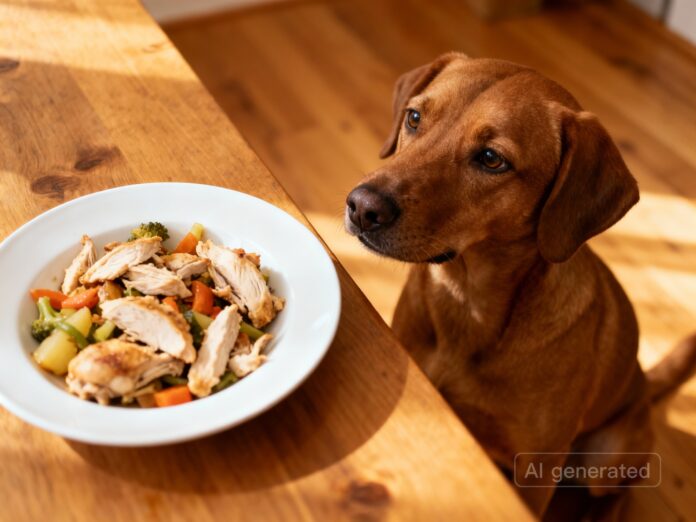
- Chicken: Skinless, boneless chicken is a great source of protein. Cook it thoroughly and avoid seasoning.
- Turkey: Similar to chicken, turkey is a lean meat that can be served to dogs without the skin or bones.
- Beef: Cooked beef (like ground beef) can also be given in moderation.
- Fish
- Certain fish, such as salmon or sardines, are excellent for dogs due to their high omega-3 fatty acid content. Always ensure the fish is cooked and free of bones.
- Vegetables
- Carrots: These crunchy treats are low in calories and high in fiber and vitamins. Many dogs enjoy chewing on raw carrots.
- Green Beans: Fresh or steamed green beans are a great addition to your dog’s diet and can help keep them feeling full.
- Peas: Whether fresh or frozen, peas provide healthy vitamins and minerals.
- Fruits
- Blueberries: These little berries are packed with antioxidants and make a great low-calorie treat.
- Apples: Sliced apples (without seeds or core) offer fiber and vitamins A and C.
- Bananas: In moderation, bananas can be a fun and sweet treat for dogs.
- Grains
- Rice: Cooked white or brown rice can be beneficial for dogs with upset stomachs. It’s a great carbohydrate source.
- Oatmeal: This whole grain can be a healthy addition to your dog’s diet, providing fiber and essential nutrients.
- Peanut Butter
- Unsalted and xylitol-free peanut butter is a favorite among dogs. It’s rich in protein and healthy fats. Use it as a treat or to hide medication.
- Pumpkin
- Plain canned pumpkin (not the spiced pie filling) is a great source of fiber and can help with digestive issues.
- Eggs
- Cooked eggs are an excellent source of protein and can be a great treat for dogs, just make sure they’re fully cooked to avoid the risk of salmonella.
Foods Dogs Should Avoid
While there are plenty of safe options, it’s equally important to know what foods can be harmful to dogs:
- Chocolate
- One of the most well-known toxic foods for dogs, chocolate contains theobromine, which is highly toxic and can lead to severe health issues.
- Grapes and Raisins
- Even small amounts can be harmful, potentially causing kidney failure in dogs.
- Onions and Garlic
- These vegetables can damage red blood cells and lead to anemia in dogs. Avoid giving them in any form, including powder.
- Alcohol
- Even small quantities of alcohol can be dangerous and potentially fatal to dogs.
- Caffeine
- Coffee, tea, and other caffeine-containing products can be harmful, resulting in restlessness, heart palpitations, and even muscle tremors.
- Avocado
- While the flesh may not be toxic, it contains a compound called persin that can be harmful to dogs in larger amounts.
- Nuts
- Some nuts, particularly macadamia nuts, are toxic to dogs and can cause various symptoms, including weakness, vomiting, and hyperthermia.
- Sweeteners
- Xylitol, a common sugar substitute found in many sugar-free products, is extremely toxic to dogs and can lead to severe hypoglycemia and liver failure.
- Fat Trimmings and Greasy Foods
- Foods high in fat can lead to pancreatitis in dogs. Avoid giving them table scraps that are greasy or fatty.
Moderation is Key
Even safe foods should be given in moderation. Introducing any new food into your dog’s diet should be done gradually to prevent digestive upset. It’s always best to consult with a veterinarian before making significant changes to your dog’s diet, especially if they’re on medication or have health conditions.
Feeding your dog the right human foods not only promotes their health but also strengthens your bond through positive feeding experiences. Remember that portion control and frequency are just as important as choosing safe foods. Dogs have different digestive systems than humans, and what may seem healthy for us could be harmful in large amounts to them. Always pay attention to portion sizes, and avoid seasoning or sauces that could upset your dog’s stomach.
Conclusion
Understanding what human foods dogs can eat ensures that we keep our pets safe and healthy while satisfying their curiosity about our meals. By choosing from the list of safe foods and avoiding harmful items, you can treat your dog to delicious, nutritious snacks that they will love. Always observe your pet’s reaction to new foods, and enjoy the bonding experience that comes with sharing these treats together.

