

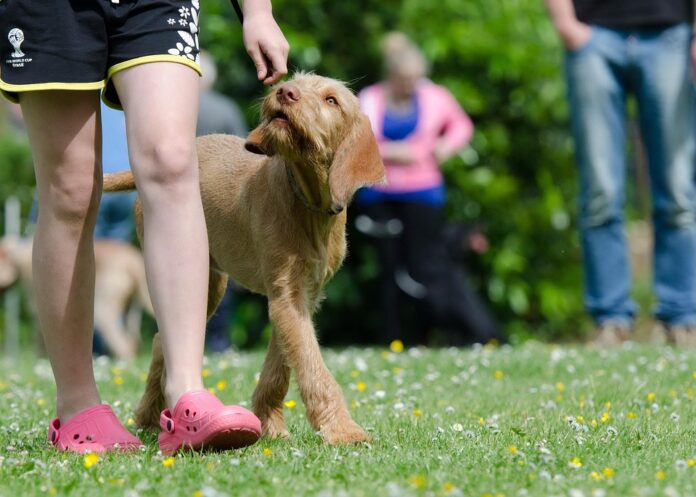
When it comes to training a puppy, it can be both a joyful and challenging experience. Among the many commands an owner can teach, “Sit” and “Stay” are two of the most important. These foundational commands not only ensure that your furry friend knows how to behave in different situations, but they also foster a bond between you and your puppy based on trust and understanding.
In this article, we’ll take a detailed look at the commands “Sit” and “Stay,” why they are essential, tips for teaching them effectively, and answers to frequently asked questions about puppy training.
The Importance of the “Sit” Command
The “Sit” command is often one of the first commands that puppies learn. Here’s why it’s crucial:
1. Provides Control
When your puppy sits on command, you gain control in various situations. This can be incredibly helpful when meeting other dogs or people as it helps to prevent jumping and excessive excitement.
2. Reduces Anxiety
Teaching your puppy to sit helps instill a sense of calm. It gives them a productive focus and is particularly useful in stressful situations or unfamiliar environments.
3. Promotes Good Behavior
The “Sit” command can be used to redirect unwanted behaviors. For instance, if your puppy is barking or being overly rambunctious, asking them to sit can diffuse the situation.
4. Enhances Safety
A well-trained puppy that knows the “Sit” command is significantly safer, especially when outdoors. It helps you control their impulses and keep them from running into traffic or other hazardous situations.
The Importance of the “Stay” Command
The “Stay” command is equally important, often serving as the next step in training after “Sit.” Here’s why teaching “Stay” is a game-changer:
1. Instills Patience
“Stay” teaches your puppy patience and impulse control. This will be beneficial as they grow, helping them understand when it’s not appropriate to move until given permission.
2. Increases Safety
The “Stay” command is invaluable in potentially dangerous situations. If you need your puppy to stay put while you open the door or walk past a busy street, knowing “Stay” can keep them safe.
3. Enables Greater Freedom
Once your puppy understands “Stay,” you can give them more freedom in controlled environments, knowing they won’t dart off at the first opportunity.
4. Reinforces Training
Learning “Stay” reinforces the concept of obedience. It nurtures a deeper relationship between you and your pet, fostering trust and communication.
How to Teach “Sit”
Teaching your puppy to sit is relatively straightforward. Here’s a step-by-step guide:
Step 1: Gather Supplies
Have some treats ready. Choose something your puppy loves, which will serve as motivation during training.
Step 2: Find a Quiet Space
Select an area with minimal distractions to help your puppy focus.
Step 3: Get Your Puppy’s Attention
Hold a treat close to your puppy’s nose, ensuring that they are focused on you.
Step 4: Move the Treat
Slowly move the treat from your puppy’s nose upward and slightly backward. This naturally encourages them to lower their rear end into a sitting position.
Step 5: Say the Command
As soon as your puppy sits, say “Sit” in an enthusiastic tone and give them the treat. Don’t forget to add plenty of praise!
Step 6: Repeat
Practice this several times over a few sessions until your puppy is consistently responding to the command.
How to Teach “Stay”
Once your puppy has mastered “Sit,” you can introduce the “Stay” command:
Step 1: Start with “Sit”
Begin the session by asking your puppy to sit.
Step 2: Introduce “Stay”
Once they are sitting, say “Stay” in a firm but gentle voice.
Step 3: Take a Step Back
Take one step away from your puppy while keeping your eye on them. If they remain in position, return and reward them with a treat.
Step 4: Increase the Distance
Gradually increase the distance you move away from your puppy but always return to reward them if they stay.
Step 5: Practice Different Scenarios
Practice “Stay” in various settings and situations, gradually introducing distractions, rewarding them for remaining in place.
Step 6: Be Consistent
Consistency is key in reinforcing both commands. Use “Sit” and “Stay” in daily situations to solidify their understanding.
Common Mistakes and Tips
Don’t Rush the Process: Training takes time and patience. If your puppy doesn’t understand immediately, practice with a gentle approach.
Use Positive Reinforcement: Always reward good behavior with treats, praise, or play.
Avoid Negative Reinforcement: Never punish your puppy for not obeying. Instead, go back to basics and practice until they understand.
Keep Sessions Short: Puppies have short attention spans. Aim for training sessions of 5-10 minutes several times a day.
Be Patient and Consistent: Every puppy learns at their own pace. Stay persistent and maintain a routine.
Frequently Asked Questions
Q1: How long does it take to teach “Sit” and “Stay”?
A: Every puppy is different. Some may learn it within a few days, while others may take a few weeks. Consistency and positive reinforcement will expedite the process.
Q2: What if my puppy doesn’t want to sit?
A: Ensure that your puppy is comfortable and relaxed. They might be too excited or anxious. Try practicing in a quieter space or using different types of treats for motivation.
Q3: Can I use hand signals along with verbal commands?
A: Absolutely! Using hand signals in conjunction with verbal commands can reinforce learning and communication.
Q4: At what age can I start training my puppy?
A: You can begin training your puppy as soon as you bring them home, typically around 8 weeks old. Early socialization and training are crucial for their development.
Q5: What if my puppy breaks the “Stay” command?
A: If your puppy breaks the “Stay,” gently guide them back into the sitting position and restart the command. Avoid scolding, as this may create anxiety.
Q6: Should I train my puppy every day?
A: Yes! Short daily training sessions help reinforce learning and keep your puppy mentally engaged.
Conclusion
Teaching your puppy the commands “Sit” and “Stay” may seem simple, but they lay the foundation for responsible pet ownership and a well-behaved dog. Not only do these commands provide essential control in everyday situations, but they also strengthen the bond between you and your puppy. With patience, persistence, and positive reinforcement, you can ensure that your puppy grows into a well-mannered companion. Happy training!

