

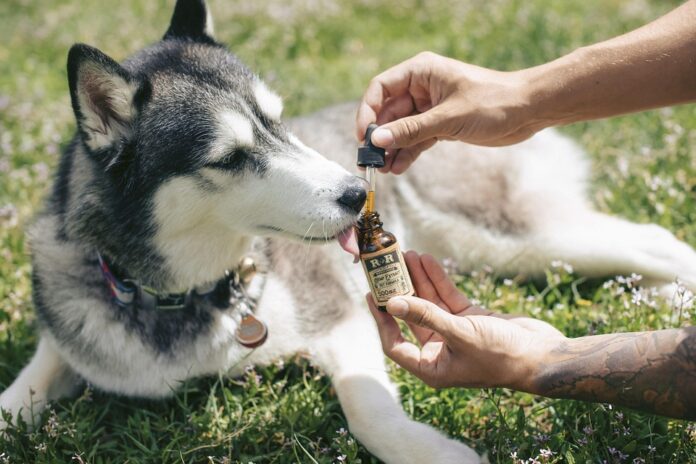
As a responsible dog owner, you want your furry friend to live a long, healthy, and happy life. A significant part of this responsibility involves understanding your dog’s behavior, body language, and overall health. Dogs, unlike humans, cannot verbally express how they feel, making it essential for owners to recognize signs of illness. Early detection can be key to ensuring a swift recovery and maintaining your pet’s quality of life. This article delves into critical indicators of illness in dogs, helping you become a more attuned pet parent.
Common Signs of Illness
1. Changes in Appetite
A sudden increase or decrease in appetite can be a red flag. For example, if your dog suddenly becomes disinterested in food or shows signs of nausea, it might indicate gastrointestinal issues, infections, or even more severe conditions like organ failure. Conversely, increased thirst and hunger may be symptoms of diabetes or Cushing’s disease.
2. Altered Energy Levels
If your normally energetic dog suddenly becomes lethargic or inactive, it may be worth investigating. Dogs tend to exhibit changes in energy levels when they are in pain or feeling unwell. Activities that they typically enjoy may be met with disinterest, indicating the need for a veterinarian’s evaluation.
3. Changes in Bathroom Habits
Monitoring your dog’s bathroom habits can provide vital clues about their health. Diarrhea, constipation, or changes in the frequency of urination can signal gastrointestinal issues, dehydration, or urinary tract infections. Blood in urine or feces is a particularly serious symptom that warrants immediate veterinary attention.
4. Coughing, Sneezing, and Nasal Discharge
Respiratory issues are common in dogs, and signs like persistent coughing, sneezing, or nasal discharge should not be taken lightly. These symptoms can indicate allergies, infections, or even more severe conditions like pneumonia or kennel cough. A recurrent cough, especially in older dogs, could also be a sign of heart disease.
5. Vomiting
Occasional vomiting can happen, but if your dog vomits persistently or displays other symptoms like lethargy, diarrhea, or a change in appetite, it is essential to consult a veterinarian. Vomiting may indicate dietary indiscretion, but it can also be related to more serious issues such as pancreatitis, poisoning, or infections.
6. Behavioral Changes
Dogs are creatures of habit, and significant changes in behavior—such as increased aggression, withdrawal, or excessive whining—can suggest discomfort or illness. Anxiety can also manifest in different ways, affecting your dog’s overall behavior and emotional state.
7. Weight Loss or Gain
Unexplained weight loss is often a sign that something isn’t right. It could signal metabolic problems, dental issues, or even cancers. Similarly, sudden weight gain can indicate conditions like hypothyroidism or excessive water retention. Regularly monitoring your dog’s weight is crucial to catch these potential issues early.
8. Skin and Coat Issues
Healthy dogs usually have shiny, clean fur and clear skin. If you notice your dog scratching excessively, developing bald patches, or if their coat appears dull or brittle, these could be signs of allergies, infections, or parasites like fleas and ticks. Skin changes can also indicate hormonal imbalances or systemic diseases.
9. Difficulty Breathing
If your dog is having trouble breathing, it is crucial to seek help immediately. Labored breathing can indicate various serious conditions, such as heart disease, allergies, or lung problems. Other signs to look for include coughing, blue-tinged gums, or rapid panting. Always consult a veterinarian if you notice these symptoms.
10. Unusual Thirst and Urination
While increased thirst (polydipsia) and frequent urination (polyuria) can indicate normal aging, they can also signal underlying health problems such as kidney disease, diabetes, or Cushing’s syndrome. Noticing these changes can help you act quickly, ensuring more positive outcomes.
11. Bad Breath
While dogs may have a distinct odor, persistent bad breath can indicate dental disease, infections, or even organ problems. Regular dental care and veterinary check-ups can help maintain your dog’s oral health.
When to See a Veterinarian
If you notice any of the above signs in your dog, it’s essential to consult a veterinarian. The importance of regular check-ups cannot be overstated, as early detection can lead to better treatment outcomes. Even if your dog seems fine following a period of illness, schedule a check-up to ensure full recovery.
Conclusion
Observing your dog’s health and behavior is one of the most crucial aspects of responsible pet ownership. By recognizing the signs of illness and acting promptly, you can improve your dog’s quality of life and potentially save their life. Pay attention, conduct routine health checks, and seek veterinary care when needed.
FAQs
1. How often should I take my dog to the vet for check-ups?
Most veterinarians recommend annual check-ups for adult dogs and more frequent visits for puppies and senior dogs. Regular check-ups can help catch and prevent issues early.
2. What should I do if I notice signs of illness in my dog?
If you notice any unusual signs or behaviors in your dog, it’s best to consult your veterinarian for a thorough examination and appropriate treatment.
3. Can I diagnose my dog at home?
While you can observe and monitor behaviors, diagnosing a dog’s health problem should always be left to a qualified veterinarian. Avoid attempting to treat without professional advice.
4. Are some breeds more prone to certain illnesses?
Yes, certain dog breeds can be predisposed to specific health issues. Researching your dog’s breed can help you understand what warning signs to look for.
5. What can I do to help keep my dog healthy?
Regular exercise, a balanced diet, routine veterinary check-ups, and vaccinations are critical for maintaining your dog’s health. Mental stimulation through toys and socialization also contributes to your dog’s well-being.
Being proactive and informed can make all the difference in your dog’s life. Stay observant, and continue to educate yourself about your furry friend’s needs and potential health issues.

