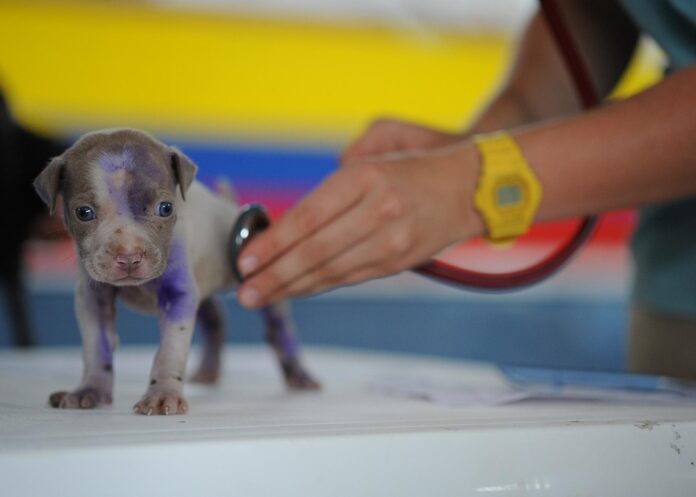
Dogs, much like humans, sometimes need medication for a variety of ailments. Whether it’s for a chronic condition, an infection, or simply to maintain their health, giving your dog medication can be a pivotal component of their healthcare. Dog owners often find that giving pills can be a daunting task, but it doesn’t have to be! Fido’s Pharmacy is here to give you the essential information you need to ease the process and keep your canine happy and healthy.
Understanding Why Your Dog Needs Medication
Before we dive into the methods of administering pills, it’s important to understand why your dog might need medication in the first place. Common reasons include:
- Chronic Conditions: Many dogs suffer from chronic conditions such as allergies, arthritis, or diabetes, requiring regular medication.
- Infections: Dogs may also need antibiotics or antifungals to combat infections, which can be crucial for recovery.
- Pain Management: After surgery or injury, dogs may need pain relief to enhance their quality of life.
- Preventative Care: Some medications serve to prevent conditions such as heartworm, flea infestations, or tick-borne diseases.
Considering your dog’s health needs can help you feel more compassionate toward the task of administering medication.
Preparing to Administer Pills
Consult Your Veterinarian
Before administering any medication, consult with your veterinarian to understand correct dosages and potential side effects. Your veterinarian can also provide insight into the best methods for giving your dog pills.
Gather Your Supplies
To make the process smoother, gather everything you need in advance. Supplies may include:
- The Medication: Ensure you have the correct pills and that they haven’t expired.
- Treats: Healthy dog treats can be used as a chaser or a method of hiding the medication.
- A Pill Dispenser: If you have a particularly fussy dog, a pill dispenser can make it easier to administer medication.
Methods for Giving Your Dog Pills
1. Hide the Pill in Food
One of the most popular methods for giving dogs pills is hiding them in food. Here’s how:
- Peanut Butter: Most dogs love peanut butter. Place the pill inside a dollop and let your dog lick it off.
- Cheese: Soft cheese works similarly and can mask the taste of the medication beautifully.
- Wet Dog Food: Mix the pill into a spoonful of wet dog food, making sure to mix it well.
2. Use Pill Pockets
Pill pockets are specially designed treats with a hole for hiding pills. They’re tasty, and many dogs find it hard to resist these chewy alternatives. Simply insert the pill, close the pocket, and offer it to your dog.
3. Direct Administration
If your dog is used to taking pills directly, you can try the following method:
- Open the Mouth: With one hand, gently place your thumb on one side of the upper jaw and your fingers on the other side, opening the mouth.
- Place the Pill: Once the mouth is open, place the pill as far back on the tongue as possible.
- Close the Mouth: Immediately close the mouth and encourage swallowing by gently rubbing your dog’s throat or blowing into their nose.
4. Use a Pill Popper
A pill popper is a device designed to place pills directly onto your dog’s tongue without putting your fingers at risk. This is especially useful for dogs that fight back when taking medication. Follow the instructions that come with the pill popper for best results.
5. Compound Medications
If your dog struggles with taking tablets, compounding pharmacies can create the medication in a more palatable format, such as a flavored liquid or chewable. Speak to your veterinarian about this option if it seems appropriate for your dog.
Tips for Successful Administration
- Stay Calm: Your dog can sense your anxiety. Remain calm and positive throughout the process.
- Use Praise and Treats: Offer plenty of praise, pets, and treats to reinforce good behavior.
- Check for Side Effects: After administering the medication, keep an eye out for any adverse reactions. Report any changes in behavior to your veterinarian.
- Create a Routine: Dogs thrive on routine. Establish a schedule around medication times to make it a normal part of their day.
Conclusion
Administering medication to dogs doesn’t have to be a stressful experience. With the right techniques and positive reinforcement, giving pills can become a seamless part of your dog’s healthcare routine. Always consult with your veterinarian for guidance and to ensure that you’re doing what’s best for your furry companion. Remember, when in doubt, never hesitate to reach out to Fido’s Pharmacy or your vet for additional help!
FAQs About Giving Dogs Pills
1. What should I do if my dog refuses to take the pill?
If your dog refuses to take the pill, try a different method or combine it with more appetizing food. If your dog still refuses, consult your veterinarian for alternative options, such as liquid forms or injections.
2. Can I crush the pill to make it easier?
Not all pills can be crushed. Always check with your veterinarian first, as some medications can lose their effectiveness or become toxic when altered.
3. What if my dog vomits after taking the pill?
If your dog vomits shortly after taking the medication, contact your veterinarian. They will advise whether to give another dose or adjust the medication plan.
4. How can I ensure my dog has swallowed the pill?
After placing the pill in your dog’s mouth, keep their mouth closed and encourage swallowing. You may want to follow up with a small treat to help ensure they’ve taken it.
5. How often should I give my dog medication?
Follow your veterinarian’s recommendations for dosages and frequency. Each medication will have specific instructions based on your dog’s health needs.
By understanding the methods and best practices for administering medication, you can be a proactive advocate for your dog’s health. At Fido’s Pharmacy, we’re committed to helping you ensure that your furry friend gets the care they need.

