

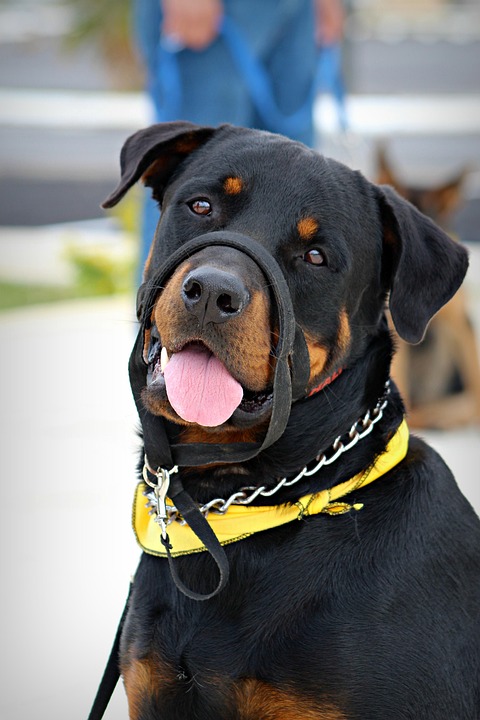
Dogs are often celebrated for their loyalty, companionship, and unique ways of communicating with humans. While many people rely on vocalizations—barks, whines, and growls—to interpret their dog’s feelings, much of a dog’s communication is expressed through body language. Understanding these silent cues can enhance the bond between you and your furry friend, making for a happier and more harmonious relationship.
The Importance of Body Language in Dogs
Dogs possess an intricate system of body language that conveys a variety of emotions ranging from happiness to fear. Unlike humans, who are more vocal in expressing their feelings, dogs use postures, movements, and facial expressions as their primary means of communication. Recognizing and interpreting these signals can help pet owners understand their dog’s mental and emotional state, enabling better care and creating a more enriched environment.
Key Elements of Dog Body Language
Posture: The way a dog holds its body can reveal much about its feelings.
- Relaxed Stance: A dog that stands tall but relaxed, with a wagging tail, is likely happy and friendly.
- Cowering: If a dog shrinks back or tucks its tail, it may be fearful or submissive.
Tail Positioning: The tail is often seen as a barometer for a dog’s mood.
- High, Wagging Tail: Indicates excitement and happiness.
- Low Tail or Tucked: Suggests fear or submission.
- Stiff, Raised Tail: Can be a sign of aggression or alertness.
Facial Expressions: Dogs’ faces communicate feelings as well.
- Relaxed Mouth: A soft-open mouth often indicates contentment.
- Bared Teeth: This can be a sign of aggression or discomfort, especially if it’s accompanied by a stiff posture.
Ear Positioning: Ears can provide insights into a dog’s emotional state.
- Ears Up and Alert: Indicates curiosity or interest.
- Ears Back: Suggests fear or submission, while flattened ears may show extreme submission or aggression.
Vocalizations: While vocalizations are not body language per se, they often accompany physical cues.
- Growling: Can indicate a warning or threat.
- Whining: Usually signifies anxiety or a request for attention.
Common Body Language Signals
Play Bow: When a dog bends its front legs and raises its rear, it’s an invitation to play. This is a friendly gesture and usually indicates that the dog is feeling energetic and happy.
Chasing Tail: While some dogs engage in this behavior out of playfulness, others may do it out of anxiety or frustration. Monitoring the context is crucial to understanding this behavior.
Leaning Against You: This is often a sign of affection and trust. When a dog leans into you, it seeks closeness and comfort.
Pawing or Nudging: A dog may nudge or paw at you to gain your attention. This is often a translation of their desire for your affection or to play.
Rolling Over: When a dog rolls over onto its back, it could indicate submission or a desire for a belly rub. However, context matters—if a dog rolls over very quickly, it might be showing submission out of fear.
Recognizing Stress Signals
- Yawning: While yawning can signify tiredness, it can also indicate stress or discomfort.
- Licking Lips: If your dog is licking its lips without food, it may be a sign of anxiety or distress.
- Avoiding Eye Contact: Direct eye contact can be perceived as a threat among canines. If your dog is consistently avoiding your gaze, it could be feeling threatened or uneasy.
Why Understanding Your Dog’s Body Language Matters
Understanding dog body language is vital for numerous reasons:
- Safety: Recognizing warning signs can help prevent aggressive behavior.
- Improved Training: Dogs that feel understood are often more receptive to training.
- Stronger Bond: The more you understand your dog’s needs, the more secure and trusting your relationship will be.
- Enhanced Well-Being: Being aware of stress signals can allow you to intervene before anxiety escalates, contributing to your dog’s overall well-being.
Conclusion
Deciphering your dog’s body language is a remarkable way to improve your relationship with them. By paying attention to their postures, tail positioning, facial expressions, and vocalizations, you can respond more effectively to their needs, fears, and joys. Each individual dog may have its unique ways of communicating, and taking the time to observe can lead to a deeper bond filled with understanding, trust, and love.
FAQs
Q1: How can I ensure my dog feels comfortable?
A1: Create a safe space with familiar scents, avoid overwhelming situations, and pay attention to their body language for signs of discomfort.
Q2: What should I do if my dog shows signs of aggression?
A2: Stay calm, avoid direct eye contact, and remove your dog from the situation if necessary. Consult a professional trainer for assistance.
Q3: Can stress in dogs lead to health problems?
A3: Yes, chronic stress can lead to various health issues, including anxiety disorders, digestive problems, and weakened immune responses.
Q4: How do I know if my dog is happy?
A4: A happy dog typically displays a wagging tail, a relaxed posture, playful behavior, and a soft, open mouth.
Q5: Should I correct my dog if they’re displaying fear or anxiety?
A5: It’s essential to address the root cause of their fear or anxiety instead of scolding them. Providing comfort and a safe environment is key to helping them overcome their fears.

