

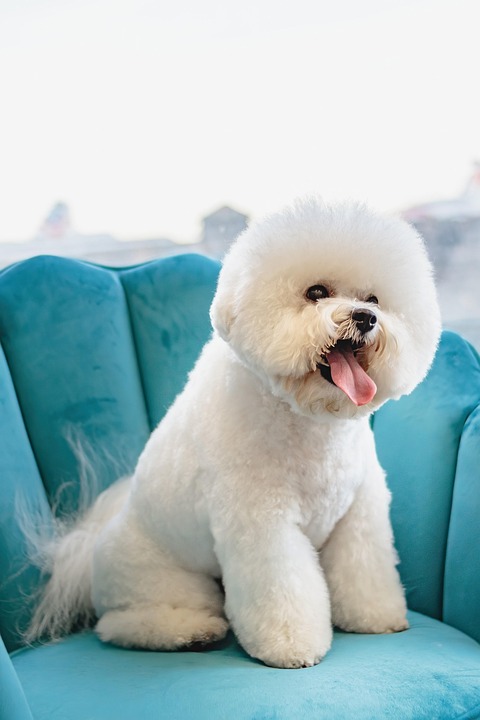
Caring for our furry companions goes beyond love and walks in the park; it’s about ensuring their health, hygiene, and overall well-being. Grooming plays an essential role in achieving that. Regular grooming not only keeps your pet looking and smelling their best but also helps in detecting potential health issues early on. This article delves into the essential grooming schedules for your pet, helping dog owners to create the perfect “bark-tastic” grooming routine.
Why Grooming Matters
Grooming is more than just a beauty regimen for pets; it’s crucial for their physical and mental health. Here are a few reasons why regular grooming is so important:
Health Monitoring: Regular grooming allows you to inspect your pet for any unusual lumps, skin irritations, or signs of infection that may otherwise go unnoticed.
Preventing Matting and Tangling: Long-haired breeds can develop mats and tangles that may cause skin irritation, discomfort, and even lead to infections if not addressed.
Reducing Shedding: Regular brushing can help reduce shedding, keeping your home cleaner and your dog more comfortable.
Improved Hygiene: Grooming removes dirt, grease, and debris from your pet’s coat, improving their overall hygiene and reducing odors.
Bonding Time: Grooming can serve as an excellent opportunity to bond with your furry friend, providing a soothing experience for both of you.
Essential Grooming Schedules for Different Dog Breeds
Small Breeds (e.g., Chihuahuas, Pomeranians)
- Brushing: 1-2 times per week.
- Bathing: Every 4-6 weeks.
- Nail Trimming: Every 3-4 weeks.
- Ear Cleaning: Every 2 weeks.
Small breeds typically have less hair and less grooming obligations, but they still require regular maintenance to prevent dental issues, ear infections, and skin problems.
Medium Breeds (e.g., Beagles, Bulldogs)
- Brushing: 2-3 times per week.
- Bathing: Every 4-8 weeks, depending on activity levels.
- Nail Trimming: Every month.
- Ear Cleaning: Once a month.
Medium breeds may require a bit more grooming than small breeds due to their coat density. Regular brushing helps to manage shedding.
Large Breeds (e.g., Labrador Retrievers, German Shepherds)
- Brushing: 3-4 times per week.
- Bathing: Every 2-3 months, unless dirty.
- Nail Trimming: Every 4-6 weeks.
- Ear Cleaning: Once a month.
Large breeds can have thicker coats that shed significantly, especially during shedding seasons in spring and fall. Regular grooming helps manage this, as well as keeps their skin healthy.
Long-Haired Breeds (e.g., Shih Tzus, Afghan Hounds)
- Brushing: 4-5 times per week or daily.
- Bathing: Every 4 weeks.
- Nail Trimming: Every 3-4 weeks.
- Ear Cleaning: Every 2-3 weeks.
Long-haired breeds require diligent grooming to prevent matting, which can lead to painful skin conditions.
Additional Grooming Tips
Choose Quality Grooming Tools
Investing in quality grooming tools tailored to your dog’s coat type makes a significant difference. Brushing tools, shampoos, and conditioners designed for pets can improve the overall grooming experience and effectiveness.
Create a Comfortable Environment
Grooming can be stressful for dogs, especially if they’re not used to it. Creating a calm and relaxing space can help. Use non-slip mats and tones that are soothing, and ensure the area is well-ventilated.
Make it a Positive Experience
Use treats and praise during grooming sessions to make it enjoyable. This creates a positive association with the grooming process, reducing anxiety and making future sessions easier.
Don’t Skip Vet Checkups
Regular checkups with a veterinarian are essential to ensure your pet stays healthy. During these visits, discuss any grooming concerns with your vet, as they can provide tailored advice based on your dog’s needs.
The Importance of Professional Grooming
While some pet owners prefer to groom their dogs at home, professional groomers have the expertise and tools to handle specific grooming needs more efficiently, especially for breeds with complicated coat types.
When to Consider Professional Grooming
- If your dog has a thick, matted coat.
- If they require specific cuts or styles (like poodles).
- For older dogs who may find regular grooming stressful.
Professional groomers can offer a mix of services including nail trimming, ear cleaning, and even flea treatments, ensuring your pet returns home looking and feeling great.
Conclusion
Grooming is a vital part of loving and caring for your pet. Establishing an appropriate grooming schedule based on breed and specific needs can significantly enhance your furry friend’s quality of life. Remember, a clean dog is a happy dog!
Frequently Asked Questions (FAQs)
How can I tell if my dog needs grooming?
If your dog has a noticeable odor, visible dirt, tangles in their coat, or long nails, it’s time for grooming. Regular inspections can help catch these needs early.How often should I bathe my dog?
This varies by breed and activity level. Generally, bathing every 4-8 weeks is sufficient, but dogs that spend a lot of time outdoors may need more frequent baths.What if my dog hates grooming?
Start slowly by introducing grooming tools gradually. Use treats, praise, and short grooming sessions to build positive associations. If grooming remains a challenge, consider a professional groomer.Can I groom my dog at home?
Yes! Many owners successfully groom their pets at home. However, certain tasks may be better handled by professionals, especially if you’re unsure or your dog has specific needs.Are there specific grooming needs for puppies?
Yes! Beginning grooming routines during puppyhood can help them get used to the process. Start slow with light brushing and handling to develop comfort.
By integrating these grooming essentials into your routine, you’ll be well on your way to ensuring that your dog not only looks great but feels great too!

