

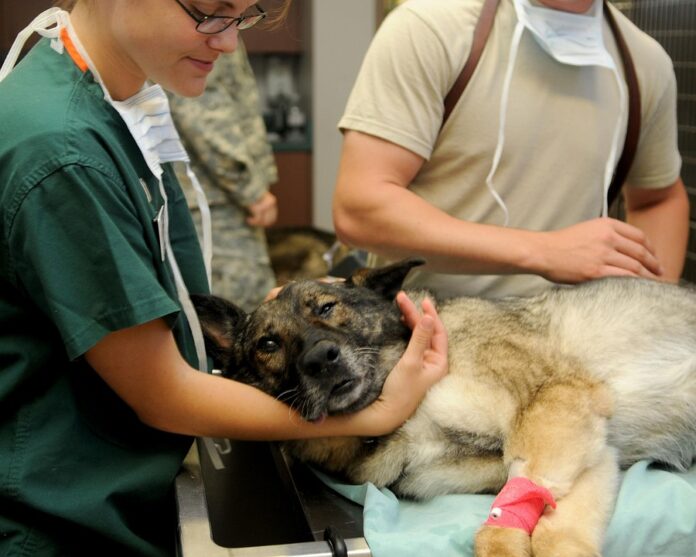
Pain management is a crucial aspect of veterinary care, especially for dogs experiencing chronic or acute pain due to injury, surgery, or a medical condition. With the wide array of over-the-counter (OTC) options available, many pet owners find themselves overwhelmed with choices and uncertain about the safest methods for pain relief. This article explores the journey from OTC options to prescription medications, highlighting safe pain management solutions for dogs while ensuring their well-being is prioritized.
Understanding Dog Pain
Before delving into pain management solutions, it’s essential to recognize the signs of pain in dogs. Unlike humans, dogs cannot articulate their discomfort, so it’s crucial for pet owners to be vigilant. Common signs include:
- Changes in behavior: Increased aggression, withdrawal, or irritability.
- Changes in movement: Limping, reluctance to climb stairs, or avoidance of physical activity.
- Vocalization: Whining, growling, or barking when touched.
- Physical signs: Limping, lethargy, or changes in appetite.
If you suspect your dog is in pain, consult your veterinarian for a proper diagnosis and treatment plan.
Over-the-Counter Pain Management
Many pet owners turn to OTC medications because they are readily available and often less expensive than prescription options. However, it is critical to understand that not all OTC drugs are safe for dogs. Here are some common OTC options:
Aspirin: Low doses of aspirin can provide temporary relief for inflammation and pain. However, it should only be given under veterinary supervision, as incorrect dosages can lead to stomach ulcers or bleeding.
Acetaminophen (Tylenol): This medication is not safe for dogs. It can cause severe liver damage and other health issues.
Ibuprofen (Advil, Motrin): Like acetaminophen, ibuprofen should not be given to dogs. It can lead to gastrointestinal bleeding and kidney failure.
Glucosamine and Chondroitin: These supplements are generally considered safe and can help with joint health, particularly for older dogs or those with arthritis.
Topical treatments: Some OTC creams or gels may be safe for dogs but should be used with caution. Always check with a veterinarian before application.
Moving to Prescription Medications
If OTC options are insufficient for your dog’s pain management or pose potential risks, your veterinarian may recommend prescription medications. This transition is often necessary for chronic conditions like arthritis or post-surgical pain. Here are commonly prescribed medications:
Non-steroidal Anti-Inflammatory Drugs (NSAIDs): Drugs like carprofen (Rimadyl), meloxicam (Metacam), and deracoxib (Deramaxx) are commonly prescribed. These medications help reduce inflammation, pain, and fever.
Opioids: For acute pain management, veterinarians may prescribe opioids such as tramadol or fentanyl. These provide significant relief but require careful monitoring due to potential side effects and risk of dependency.
Corticosteroids: Medications like prednisone are effective for inflammatory pain conditions but should be used short-term to avoid severe side effects.
Disease-modifying Osteoarthritis drugs (DMOADs): These medications help modify the disease process of osteoarthritis and can offer significant relief over time.
Anxiolytic and antidepressant medications: Sometimes, pain in dogs can stem from anxiety. Medications like amitriptyline or fluoxetine can be beneficial for managing these underlying issues.
Non-Pharmacological Approaches
In addition to medications, there are several non-pharmacological pain management approaches to consider:
Physical therapy: Canine physical therapy focuses on improving mobility and reducing pain through specific exercises and modalities.
Acupuncture: This traditional Chinese medicine technique involves inserting needles at specific points on the body to alleviate pain and promote healing.
Massage therapy: Similar to humans, dogs can benefit from massage through muscle relaxation and increased circulation.
Weight management: Maintaining a healthy weight is crucial for pain management, especially for dogs with joint issues. Excess weight places additional stress on their joints, exacerbating pain.
Diet: Some specialized diets are formulated to support joint health and reduce inflammation. Consult your vet for recommendations.
Supplements: Besides glucosamine and chondroitin, omega-3 fatty acids are known for their anti-inflammatory properties and can help alleviate pain.
Conclusion
Managing a dog’s pain is a multifaceted process that requires the input of veterinary professionals and the commitment of pet owners. While OTC options may provide temporary relief, moving to prescription medications and exploring alternative therapies may be necessary for effective pain management. Always consult your veterinarian before administering any medication or treatment to ensure the safety and well-being of your beloved pet.
FAQs
1. Can I give my dog human pain medication?
Not all human medications are safe for dogs. Aspirin may be used under veterinary supervision, while ibuprofen and acetaminophen are toxic to dogs. Always consult your vet first.
2. What are the signs that my dog is in pain?
Look for signs such as limping, reluctance to move, changes in behavior, vocalization, or changes in appetite. Always consult your veterinarian if you have concerns.
3. How can I manage my dog’s arthritis pain?
Consult your veterinarian for a comprehensive pain management plan. Options may include weight management, medications, physical therapy, and supplements.
4. Are there ‘natural’ alternatives for pain relief?
Yes, options like glucosamine, chondroitin, and omega-3 fatty acids can support joint health and may help reduce pain. However, always talk to your veterinarian before starting any supplement.
5. How often should I take my dog to the vet for pain management?
Regular check-ups are essential when managing chronic pain. Your vet will recommend an appropriate schedule based on your dog’s specific needs.
Understanding safe and effective pain management options for dogs is vital for any pet owner. By staying informed and working closely with a veterinarian, you can ensure your canine companion leads a comfortable and happy life.

