

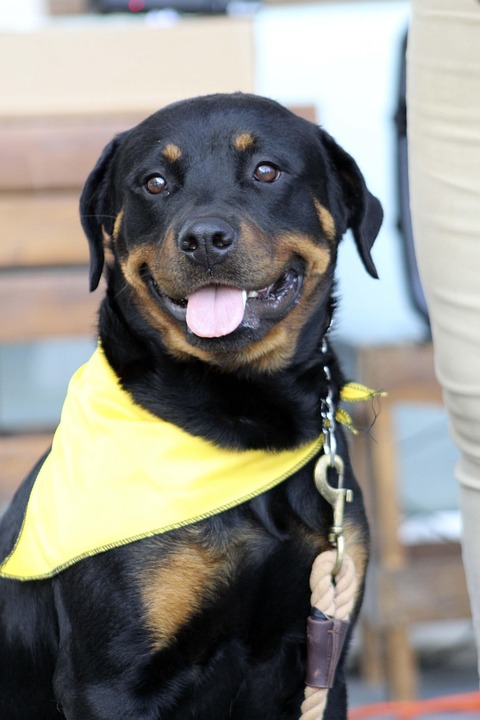
For many dog owners, there’s nothing more rewarding than seeing their furry friends come out of their shells. A shy or anxious dog can exhibit various behaviors—ranging from avoidance to aggression—leaving their owners feeling helpless. However, transforming a shy dog into a confident one is not only possible but also achievable with patience, understanding, and effective training methods. This article explores valuable tips on how to build your dog’s confidence and foster a more social demeanor.
Understanding Shyness in Dogs
Before diving into the solutions, it’s essential to understand why a dog may be shy. Various factors contribute to a dog’s timidity, including genetics, early life experiences, lack of socialization, or negative encounters.
- Genetics: Some breeds are naturally more reserved than others, leading to shyness.
- Early Life Experiences: Dogs that haven’t been properly socialized during their critical developmental stages may grow up fearful or anxious.
- Negative Encounters: Traumatic experiences such as being attacked or startled can instill fear in dogs, making them more likely to shy away from social interactions.
Recognizing these underlying issues can help tailor a more personalized approach to overcoming shyness.
Tips to Boost Your Dog’s Confidence
1. Socialization is Key
Start socializing your dog early. Gradually introduce your pet to new environments, people, and other animals. Socialization helps expose them to various stimuli, reducing fear of the unknown.
- Controlled Environments: Begin in low-stress settings. Visit parks during quieter hours and introduce them to calm, friendly dogs.
- Positive Associations: Pair new experiences with treats and praise. When your dog encounters something new, reward them for calm behavior.
2. Positive Reinforcement Training
Use positive reinforcement techniques to encourage confidence and desirable behaviors.
- Clicker Training: Utilize a clicker to mark behaviors you want to encourage. Click and treat when your dog shows curiosity or approaches new stimuli.
- Consistency: Practice commands regularly to build their confidence in responding to you.
3. Create a Safe Space
Designate an area in your home where your dog can retreat when feeling overwhelmed. This safe space serves as a sanctuary, allowing them to regroup and feel secure.
- Comfort Items: Include their favorite blanket or toy to make this area more inviting.
- Quiet Environment: Keep this space free of loud noises to make it a calming retreat.
4. Gradual Exposure to New Experiences
Introduce new experiences slowly and positively. Rapid exposure may overwhelm your dog and reinforce their shyness.
- Small Steps: If your dog is fearful of new people, allow them to observe from a distance before approaching.
- Controlled Introductions: Use friends who have calm dogs to facilitate positive interactions.
5. Set Realistic Goals
Refrain from placing unrealistic expectations on your dog’s transformation. Celebrate small victories and progress, even if it’s just the ability to let someone pet them without flinching.
- Progress Tracking: Keep a journal of your dog’s interactions to note improvements over time. This also helps identify patterns or behaviors that still need work.
6. Regular Exercise
Physical activity is crucial for building confidence. It releases pent-up energy and reduces stress.
- Routine Walks: Take your dog on regular walks in different environments. This helps them become accustomed to various stimuli.
- Playtime: Engage in games like fetch or tug-of-war to boost their mood and self-esteem.
7. Calm Dog, Calm Owner
Remember, dogs are sensitive to their owners’ emotions. Your dog may pick up on your anxiety or stress, reinforcing their own fears.
- Stay Calm: Practice relaxation techniques yourself before engaging with your dog.
- Mindful Interactions: Approach your dog in a calm manner, avoiding sudden movements or loud voices that may startle them.
8. Professional Help
If your dog’s shyness is severe or persists despite your efforts, consider enlisting the help of a professional dog trainer or behaviorist. They can offer tailored advice and strategies to address specific issues.
9. Utilize Interactive Toys and Puzzles
Interactive toys stimulate your dog’s mind and create positive experiences. Using toys that require problem-solving can help build confidence as your dog learns to overcome challenges.
- Puzzle Toys: These can keep your dog occupied and also encourage them to think critically.
- Snuffle Mats: Hide treats in a snuffle mat to allow your dog to forage and discover their rewards at their own pace.
Moving Forward
Transforming a shy dog into a confident companion is a journey requiring patience, empathy, and dedication. Each dog is unique and will respond differently to training strategies. Focus on creating positive experiences and fostering a strong bond with your dog. Celebrate every step of the journey together, no matter how small.
FAQs
1. How long does it take for a shy dog to become confident?
The timeframe varies based on the dog’s history, breed, and individual personality. Some may show improvement in weeks, while for others, it may take several months or longer. Consistency and patience are key.
2. What should I do if my dog displays aggression towards other dogs or people?
It’s vital to manage aggressive behavior through controlled exposure and possibly professional training. Never force interactions, as this may worsen aggression.
3. Can a shy dog ever be social?
Yes! With the right techniques and persistent training, shy dogs can become more social and confident members of their family.
4. Are some breeds more prone to shyness than others?
Yes, some breeds are inherently more reserved, such as Greyhounds and Chihuahuas. However, individual temperament can vary widely within each breed.
5. Should I allow my dog to avoid situations that make them anxious?
While it’s important to recognize your dog’s limits, complete avoidance can reinforce fearful behavior. Instead, gently encourage gradual exposure to overcome fears.
In conclusion, nurturing a shy dog and guiding them toward confidence is a profoundly rewarding journey. Every positive interaction paves the way for a more social dog, allowing them to enjoy their life to the fullest.

