

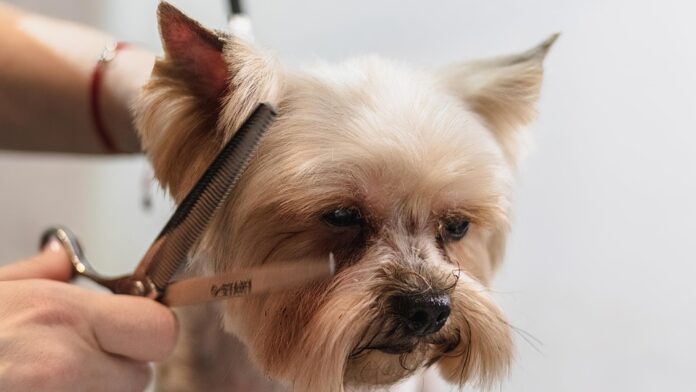
Bathing your dog at home can be a rewarding experience, not only for you but also for your furry friend. While some dogs enjoy splashing around in water, others might see bath time as a dreaded chore. Regardless, ensuring your dog stays clean and healthy is paramount. This article will guide you through the steps to master the art of home dog baths, ensuring your pup goes from wet dog to fresh companion in no time.
Why Bath Your Dog?
Bathing your dog serves multiple purposes. Regular baths help to:
Reduce Odors: Dogs can develop a distinct smell due to natural oils, dirt, and dander. A good bath can eliminate those unpleasant odors.
Promote Healthy Skin: Regular grooming helps remove dead skin cells and can alleviate irritations or allergies.
Control Shedding: Bathing and brushing your dog can help to reduce shedding and keep your home cleaner.
Check for Skin Issues: Bath time is an excellent opportunity to check for any unusual lumps, bumps, or skin irritations.
Bonding Time: Bathing your dog provides a great chance to strengthen your bond, offering comfort and reassurance during the process.
Preparing for the Bath
Before you dive into the bathing process, preparation is key. Here’s what you’ll need:
Supplies
Dog shampoo: Opt for a quality, dog-specific shampoo that suits your pup’s needs (this can vary based on coat type and sensitivities). Avoid using human shampoos, which can irritate their skin.
Brush: Choose a brush suited for your dog’s coat type (slicker brushes for long-haired breeds, bristle brushes for short-haired dogs).
Towels: Have a few large towels handy for drying.
Non-slip mat: An essential for keeping your pup safe in the tub or shower.
Spray nozzle or cup: This will help in rinsing your dog thoroughly without them getting overwhelmed.
Step-by-Step Guide to Bathing Your Dog
Step 1: Brush Your Dog
Before the bath, give your dog a good brushing. This will help remove loose fur, dirt, and debris, making the bathing process smoother. For dogs with long or heavy coats, this step is vital to avoid matting.
Step 2: Prepare the Bath
Fill the tub or shower with lukewarm water. Ensure it’s not too hot or cold, as dogs are sensitive to temperature changes. If your dog is small, a sink or basin can work well.
Step 3: Introduce Your Dog to the Water
Gently guide your dog to the bathing area. Keep the environment calm and inviting. Use positive reinforcement (treats, praise) to create a relaxed atmosphere.
Step 4: Wet Your Dog
Using a handheld sprayer or a cup, start wetting your dog from the back and working your way forward. Avoid directly spraying their face to keep them comfortable. If they seem anxious, consider using a damp cloth to gently wipe their face instead.
Step 5: Apply Shampoo
Lather the dog shampoo into your pup’s coat, starting from the neck and moving towards the tail. Make sure to avoid their eyes, ears, and mouth. Pay special attention to greasy spots, especially around the tail and paws.
Step 6: Rinse Thoroughly
Rinsing is crucial. Any leftover shampoo can lead to skin irritation or allergic reactions. Ensure you rinse out all the soap by running water through their coat until it runs clear.
Step 7: Dry Your Dog
Remove excess water by gently squeezing their coat, then move on to using your towels. Wrap your dog in a towel and pat them dry. Depending on your dog’s temperament, you can use a pet-safe blow dryer, but be cautious—some dogs may be frightened by the sound.
Step 8: Post-Bath Grooming
After drying, give your dog another brush to remove any remaining dead hair and ensure their coat looks nice and neat.
Step 9: Reward Your Pup
After the bath, reward your dog with treats, praises, or a play session. This positive reinforcement helps them associate baths with good experiences, which can reduce anxiety for future baths.
Frequency of Baths
The frequency of bathing your dog can vary based on several factors: breed, coat type, activity level, and any skin conditions. Generally:
- Short-haired breeds can be bathed every 4 to 6 weeks.
- Long-haired breeds may need baths every 6 to 8 weeks.
- Active dogs who get dirty often might require more frequent baths.
Always observe your dog’s coat and skin condition to determine if more or fewer baths are necessary.
Special Considerations
Anxious Dogs
If your dog is afraid of baths, consider taking gradual steps. Start with short sessions and focus on making them feel comfortable. Provide plenty of treats and praise throughout the process.
Sensitive Skin
For dogs with sensitive skin, consult your vet for the best shampoos. Look for hypoallergenic or oatmeal-based products that can soothe irritation.
Skin Conditions
If your dog suffers from specific skin problems, talk to your vet about medicated shampoos designed to treat these issues during bath time.
FAQs
1. How often should I bath my dog?
Bathing frequency depends on the breed, coat type, and activity level. Generally, every 4-8 weeks is appropriate, but adjust based on your dog’s individual needs.
2. Can I use human shampoo on my dog?
No, human shampoos can disrupt a dog’s skin pH and cause irritation. Always use products formulated specifically for dogs.
3. What if my dog hates baths?
Patience is key. Introduce them to water gradually, and use treats and praise to create a positive association with bath time.
4. Should I bathe my dog before or after grooming?
It’s best to bathe your dog before grooming, as a clean coat is easier to brush, and it helps remove any loose hair.
5. Is it safe to use a blow dryer on my dog?
Yes, but on a low heat setting and at a safe distance. Always observe your dog’s reaction and avoid using high heat that can burn their sensitive skin.
Conclusion
Mastering the art of home dog baths doesn’t just leave your pup looking and smelling fresh—it’s a fantastic bonding experience. With the right tools, preparation, and techniques, you can transform bath time from a chore into a delightful routine for both you and your canine companion. Remember, the goal is to create a stress-free environment, so take your time, be patient, and enjoy the process!

