

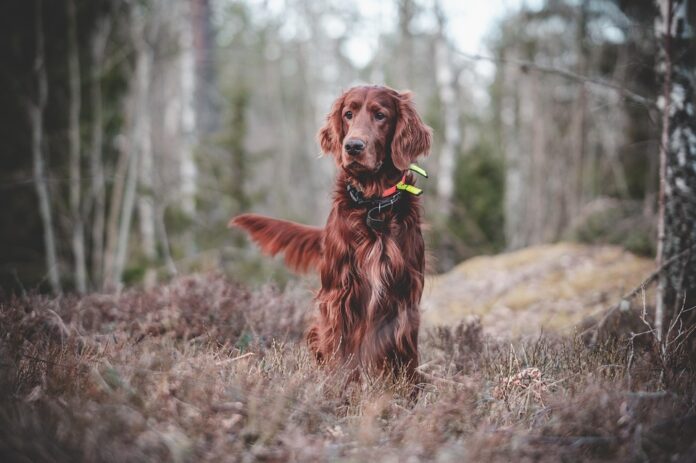
Leash training is one of the most important skills you can teach your dog. It not only ensures their safety but enhances your bond with them, providing a positive walking experience for both parties. In this ultimate leash training guide, we will cover fundamental techniques, common challenges, and tips to ensure your pup walks nicely on a leash.
Why Leash Training is Essential
Leash training is crucial for several reasons:
- Safety: A well-trained dog is less likely to run into traffic or chase after other animals.
- Control: A leash gives you control over your dog, allowing you to navigate crowded places or avoid conflict with other animals or people.
- Socialization: Walking your dog can expose them to various environments, people, and animals, which can enhance their confidence.
- Exercise: Walking is an excellent way for your dog to expend energy, improving their physical and mental health.
Getting Started: The Right Equipment
Before diving into training, having the right equipment is essential. You’ll need:
A Suitable Leash: A standard six-foot leash is the best choice for training. Avoid retractable leashes as they can encourage pulling.
A Proper Collar or Harness: Choose a collar that fits snugly but isn’t too tight. Consider using a front-clip harness if your dog tends to pull.
Treats: High-value treats will motivate your pup during training. Small bits of chicken, cheese, or commercial dog treats work well.
Clicker (optional): Clicker training can be an effective way to reinforce positive behavior.
Basic Commands to Teach First
Before attaching the leash, ensure your dog understands basic commands like ‘sit’ and ‘stay.’ These commands create a foundation for further learning.
Step 1: Introduce the Leash
Let Them Explore: Start by allowing your dog to sniff and explore the leash. Use treats to create positive associations.
Attach the Leash: Once your dog is comfortable with the leash, attach it to their collar or harness and let them wear it indoors.
Step 2: Teach ‘Heel’
Start Indoors: Inside your home, use treats to encourage your pup to walk beside you.
Position: Use the command ‘heel’ or an alternative word, rewarding them when they walk beside you without pulling.
Practice Short Distances: Begin with short distances to build confidence and avoid overwhelming them.
Step 3: Move Outside
Choose a Calm Environment: Start in a quiet area with minimal distractions.
Use Treats and Praise: Reward your dog with treats when they walk nicely by your side. Use a happy voice and lots of praise.
Stop and Go: If your dog pulls ahead, stop walking, and reinforce the ‘heel’ command. When they return to your side, continue walking.
Step 4: Deal with Pulling
Pulling can be a common issue. Here are techniques to manage it effectively:
Change Directions: If your dog pulls, suddenly change direction. This will help them understand that pulling won’t get them where they want to go.
Use Positive Reinforcement: Reward your dog for walking beside you and for looking up at you while walking.
Practice ‘Loose Leash Walking’: Teach your dog that the leash should be slack. When they pull, they won’t get forward momentum.
Advanced Techniques
Once your dog is comfortable walking beside you on a leash, you can increase the level of difficulty:
Introduce Distractions: Gradually increase distractions like other dogs, people, or moving vehicles. Continue to reward good behavior.
Longer Walks: Increase the length of your walks gradually to build stamina without overwhelming them.
Different Environments: Walk in various locations – parks, streets, trails – to expose your dog to different situations.
Troubleshooting Common Issues
My Dog Only Pulls When They See Other Dogs
- Practice Engagement: Work on getting their attention back to you with treats when they see another dog. This teaches them that looking to you is more rewarding than chasing after other pets.
My Dog Gets Frightened by Loud Noises
- Desensitization: Gradually expose your dog to the sounds that frighten them from a distance and reward them for calm behavior.
My Dog Won’t Stop Sniffing
- Scheduled Sniffing Breaks: Allow them designated sniffing time during the walk. This fulfills their natural instincts.
Consistency is Key
Leash training takes time and consistency. Practice regularly, but keep sessions short and engaging. Aim for multiple short practice sessions each week rather than a single long one.
Conclusion
Leash training is both rewarding and essential for a harmonious relationship with your dog. With the right techniques, patience, and persistence, your pup will learn to walk calmly by your side. Remember, it’s not just about the destination but the journey you take together.
FAQs
1. At what age should I start leash training my puppy?
You can begin leash training when your puppy is around eight weeks old. The earlier, the better as young dogs are often more adaptable.
2. How long should leash training sessions be?
Keep sessions short—around 5-10 minutes for puppies and up to 20-30 minutes for adult dogs. Focus on maintaining their attention and enthusiasm.
3. What if my dog is too excited to listen?
If your dog is overly excited, practice calming exercises like ‘sit’ before beginning your walk. Start in a quieter area until their focus improves.
4. Is it okay to use corrections for pulling?
While slight corrections are part of training, avoid punishment. Focus on positive reinforcement to encourage better behavior.
5. My dog seems to hate the leash. What should I do?
Carry the leash around the house and incorporate it into enjoyable activities. Help them associate the leash with fun experiences rather than restrictions.
By following this guide and dedicating time to leash training, you’re setting yourself and your dog up for a happier, healthier relationship. Happy walking!

