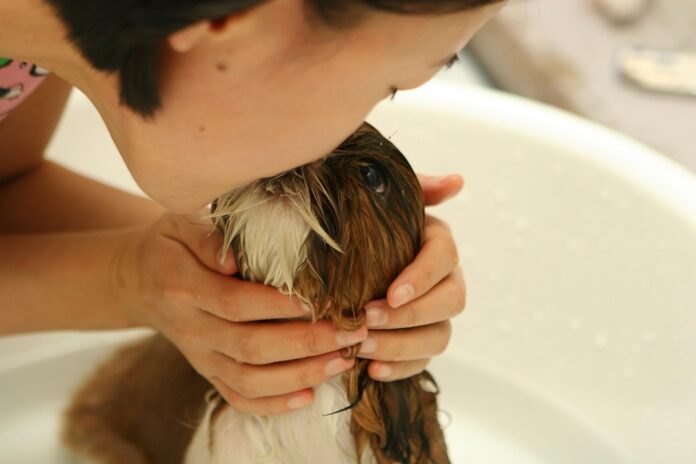
For many dog owners, grooming is not just a chore; it’s a bonding experience that enhances the overall health and happiness of their furry companions. Regular grooming helps maintain a dog’s coat, prevents skin issues, and can even reduce shedding in the home. However, to make the grooming process efficient and enjoyable, it’s essential to have the right tools on hand. This article delves into the best grooming tools every dog needs, ensuring both you and your furry friend are well-equipped for a fuss-free grooming experience.
1. Slicker Brush
A slicker brush is a must-have in any grooming toolkit, especially for dogs with long hair or thick coats. This tool is designed to remove tangles, mats, and loose hair without pulling on the skin. The fine, short wires are close together, enabling them to penetrate deep into the coat while being gentle on the skin. Use it regularly to keep your dog’s fur in tip-top shape and reduce shedding.
Best Practices:
- Brush in the direction of the hair growth.
- Start at the back and work your way to the front.
- Be gentle, especially around sensitive areas like the ears and belly.
2. De-shedding Tool
If you have a dog that sheds heavily, a de-shedding tool is essential. These tools feature a fine-toothed comb that removes loose undercoat hair that regular grooming brushes might miss. Brands like Furminator offer products specifically designed for different coat types (short, medium, or long) and will help significantly cut down on shedding.
Best Practices:
- Use the de-shedding tool once a week during shedding seasons.
- Make sure to brush in the direction of hair growth to prevent skin irritation.
3. Pin Brush
A pin brush is particularly useful for dogs with medium to long hair. It has rounded tips that are soft and gentle on your dog’s skin, helping to detangle fur while minimizing discomfort. This tool is perfect for finishing touches after using a slicker brush or de-shedding tool.
Best Practices:
- Use a pin brush daily for dogs with long coats.
- Focus on areas prone to tangling, such as behind the ears and under the legs.
4. Bath Brush or Grooming Mitt
Bath brushes or grooming mitts are designed specifically for bath time, allowing you to clean and massage your dog’s skin while you wash their coat. They come with rubber bristles that can help dislodge dirt and dead hair.
Best Practices:
- Use during bath time to thoroughly clean your dog’s skin and coat.
- Gently massage the entire body for a soothing experience.
5. Nail Clippers or Grinders
Keeping your dog’s nails trimmed is crucial for their overall health. Long nails can cause pain and lead to more severe problems like joint issues. Clippers and nail grinders come in various types—scissor style, guillotine style, or electric grinders. Choose the one that best suits your dog’s nail size and your comfort level for handling the tool.
Best Practices:
- Trim nails every 3-4 weeks.
- If unsure, consult a professional groomer or veterinarian to demonstrate the correct technique.
6. Ear Cleaning Solution and Cotton Balls
Healthy ears are vital for your dog’s health. Many dogs are prone to ear infections, especially breeds with floppy ears. A dog-specific ear cleaning solution and some cotton balls will help keep those ears clean and free of debris.
Best Practices:
- Check ears weekly for dirt, wax buildup, or signs of infection.
- Apply the ear cleaning solution and gently wipe the interior of the ear with cotton balls.
7. Dog Shampoo and Conditioner
Choosing the right shampoo and conditioner is crucial for maintaining a healthy coat. A dog-specific product is essential, as human shampoos can disrupt the pH balance of a dog’s skin. Look for products with natural ingredients that cater to your dog’s specific needs, whether they have sensitive skin, allergies, or a specific coat type.
Best Practices:
- Only bathe your dog as often as necessary; usually, every 4-8 weeks is sufficient.
- Rinse thoroughly to prevent residue build-up.
8. Grooming Table with Non-Slip Surface
While not an essential for every household, a grooming table can make the grooming process considerably easier, especially for larger dogs. A table with a non-slip surface and adjustable height can create a comfortable experience for both you and your furry friend.
Best Practices:
- Always use a leash to secure your dog while grooming on the table.
- Keep treats handy to reward your dog during the process.
9. Pet Hair Vacuum
Cleaning up after your dog’s grooming can be as important as the grooming itself. A pet hair vacuum can significantly reduce the stress of dealing with shedding and dander in your home. Look for models designed specifically for pet owners, as they often have features designed to trap pet hair more effectively.
Best Practices:
- Vacuum regularly to keep your home hair-free.
- Utilize attachments for upholstery and corners to capture all pet hair.
10. Professional Grooming Tools: Scissors and Thinning Shears
For those who like to take grooming into their own hands, investing in high-quality grooming scissors and thinning shears can help you achieve a professional look. These tools are perfect for trimming and shaping fur, especially in areas like around the face, paws, and tail.
Best Practices:
- Start slow and only trim small amounts to avoid mistakes.
- Consider professional grooming for complex styles or rare breeds.
FAQs
Q1: How often should I groom my dog?
A: The frequency depends on your dog’s breed, coat type, and lifestyle. Long-haired breeds often require daily brushing, while short-haired breeds may only need grooming once a month.
Q2: What tools do I need for a dog with a double coat?
A: For dogs with a double coat, you’ll need a slicker brush, a de-shedding tool, and a pin brush. Bath brushes and appropriate shampoos are also crucial for maintaining the coat.
Q3: Can I use human shampoo on my dog?
A: No, human shampoos can upset a dog’s skin pH balance, leading to irritation or allergic reactions. Always use dog-specific grooming products.
Q4: What can I do if my dog is afraid of grooming?
A: Make grooming a positive experience by introducing the tools gradually, offering treats and praise, and starting with short sessions to acclimate your dog to the process.
Q5: How can I tell if my dog needs grooming?
A: Signs that your dog needs grooming include excessive shedding, mats in the coat, foul odors from the skin, and long nails that click on the floor.
In conclusion, the right grooming tools are essential for maintaining your dog’s coat and overall health. By investing in these vital tools and following proper grooming techniques, you can ensure that your furry friend looks and feels their best! Happy grooming!

